Location-Based Technology: Comprehensive Guide, Benefits, and Real-World Applications
Location-based technology refers to a set of tools and systems that determine and utilize the geographical position of devices, assets, or individuals. At its core, it relies on technologies such as Global Positioning System (GPS), Wi-Fi signals, cellular networks, and even Bluetooth Low Energy (BLE) to pinpoint a location with high accuracy. This capability allows organizations, businesses, and individuals to make informed decisions, create personalized experiences, and optimize operational efficiency.
The evolution of location-based technology has gone far beyond traditional navigation systems. Today, it is integrated into industries such as retail, healthcare, logistics, tourism, and even emergency response systems. By combining precise geolocation data with advanced software platforms, businesses can track assets, understand consumer behaviors, and deliver real-time information tailored to a user’s physical location.
Key Components of Location-Based Technology
GPS and Satellite Systems
Global Positioning System (GPS) remains the backbone of modern location-based technology. Using a constellation of satellites, GPS-enabled devices can calculate precise positions on Earth. This system is highly reliable for outdoor applications such as vehicle navigation, delivery tracking, and outdoor mapping.
However, GPS has limitations indoors due to signal obstruction by walls and structures. To address these gaps, alternative methods have been developed.
Wi-Fi and Cellular Positioning
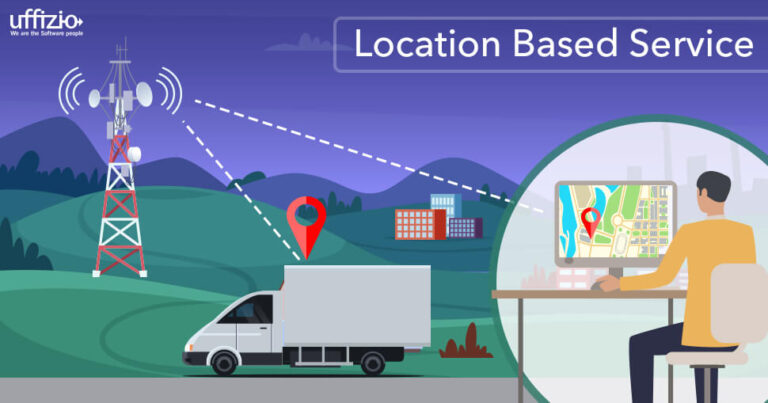
Wi-Fi networks and cellular towers offer location services in urban areas where GPS signals may be weak. By triangulating signals from multiple access points or towers, a device’s location can be estimated with reasonable accuracy. This method is widely used in mobile apps to provide localized services and in urban navigation.
Bluetooth Low Energy (BLE) Beacons
BLE technology is often employed for indoor navigation and proximity-based services. Beacons transmit small packets of data that nearby devices can detect, making them useful in settings such as shopping malls, airports, and museums. These beacons enable real-time location services where GPS or Wi-Fi may not be effective.
Benefits of Location-Based Technology
Location-based technology provides numerous advantages across industries and personal applications. One of the primary benefits is enhanced decision-making. Businesses gain real-time data about user behavior, foot traffic, and operational logistics, enabling them to adjust strategies instantly.
Another major benefit is personalization. Retailers, for example, can deliver customized promotions to customers as they enter a store. Similarly, transportation services can provide accurate arrival times, improving user satisfaction and trust.
Moreover, location-based technology contributes to safety and efficiency. In logistics, tracking shipments ensures transparency and reduces losses. In healthcare, location systems can monitor medical equipment and patients, improving the quality of care.
Real-World Examples of Location-Based Technology
Google Maps
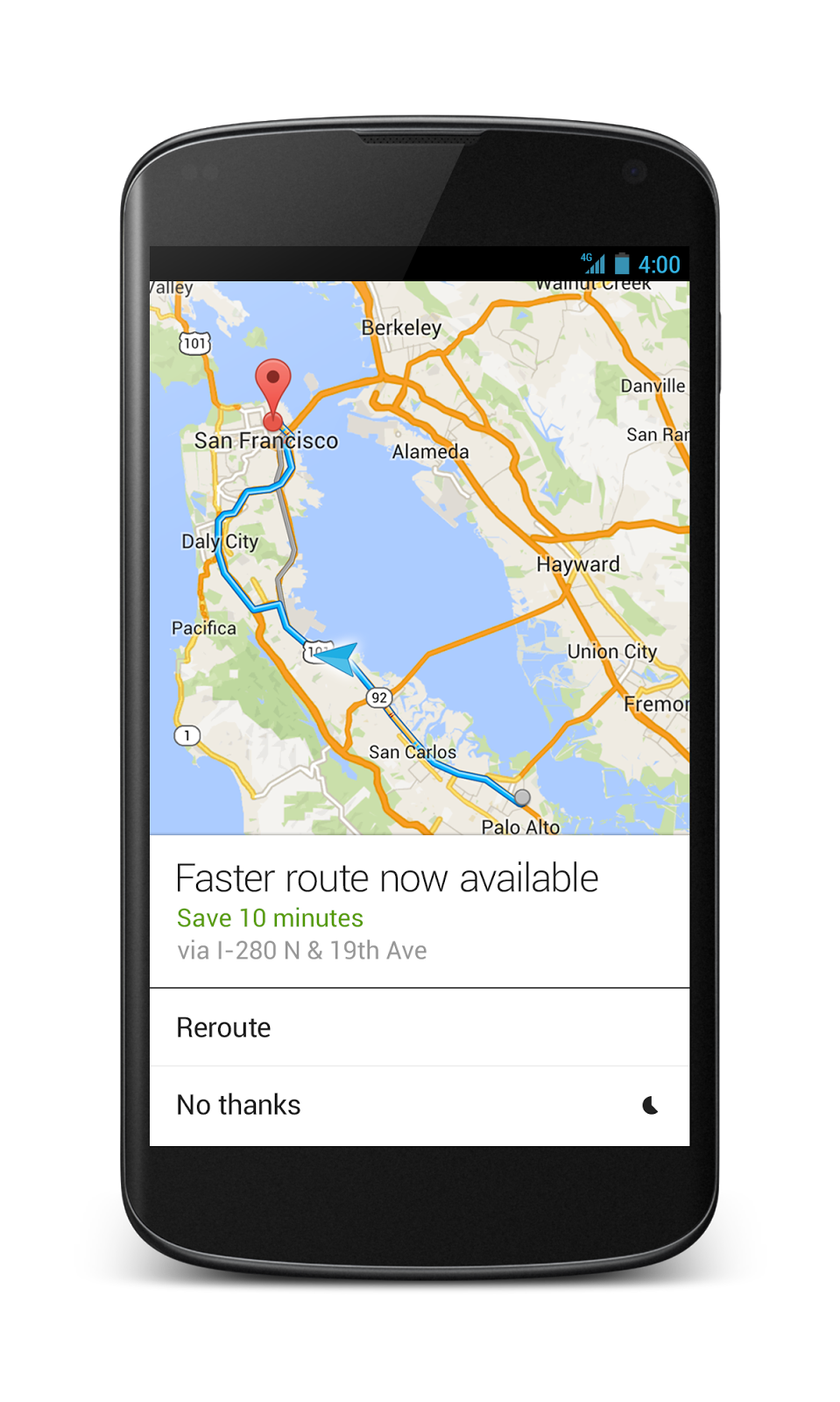
Google Maps is one of the most widely recognized applications of location-based technology. It leverages GPS, Wi-Fi, and cellular networks to provide turn-by-turn navigation, real-time traffic updates, and local business information. For millions of people globally, Google Maps is an indispensable tool for commuting, exploring new locations, and discovering services nearby.
The platform also integrates with businesses by enabling them to appear on maps, enhancing their visibility to potential customers. Its combination of precise navigation and rich contextual information makes it a prime example of how location-based technology can be user-friendly and impactful.
Uber
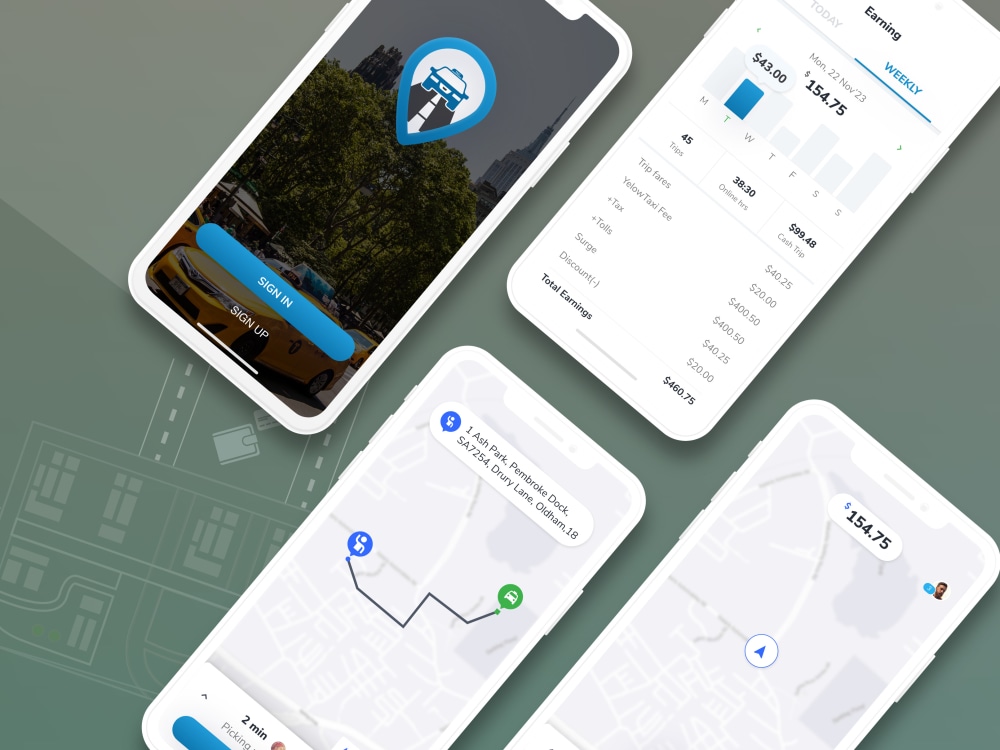
Uber is a pioneering example of location-based services in the transportation industry. The app relies on GPS to connect passengers with nearby drivers, calculate routes, and provide accurate estimated arrival times. By continuously tracking both drivers and riders, Uber ensures a seamless experience and enhances safety through real-time updates.
This use case highlights how location-based technology can revolutionize industries, offering convenience, cost savings, and efficient transportation alternatives.
Apple AirTag
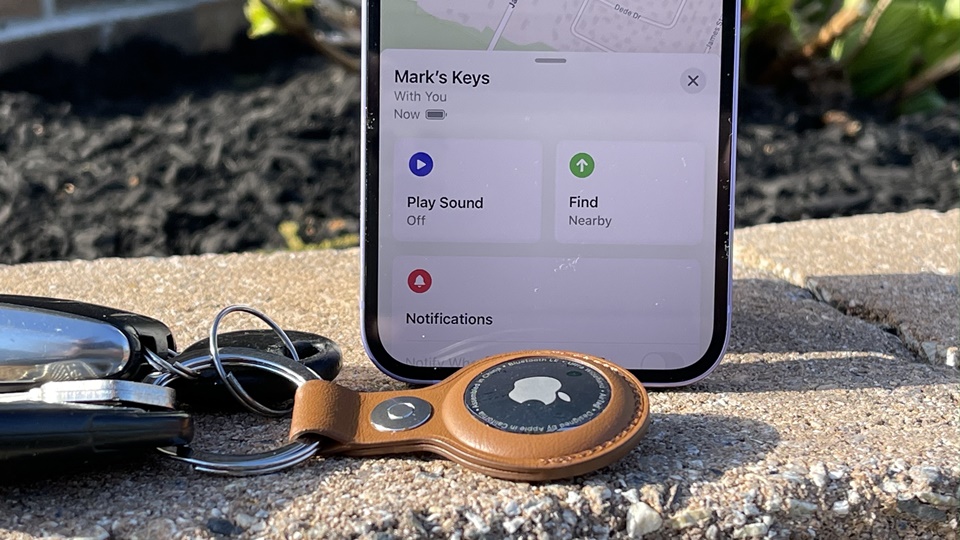
Apple AirTag represents the application of Bluetooth Low Energy (BLE) in personal asset tracking. Users can attach the small device to items such as keys, wallets, or bags. Through the Find My app, AirTag provides precise location updates, even in crowded indoor environments.
This example underscores the usefulness of location-based technology in everyday life. By giving users peace of mind and helping them recover lost belongings, AirTag showcases how innovative applications can address common problems.
Indoor Navigation in Airports
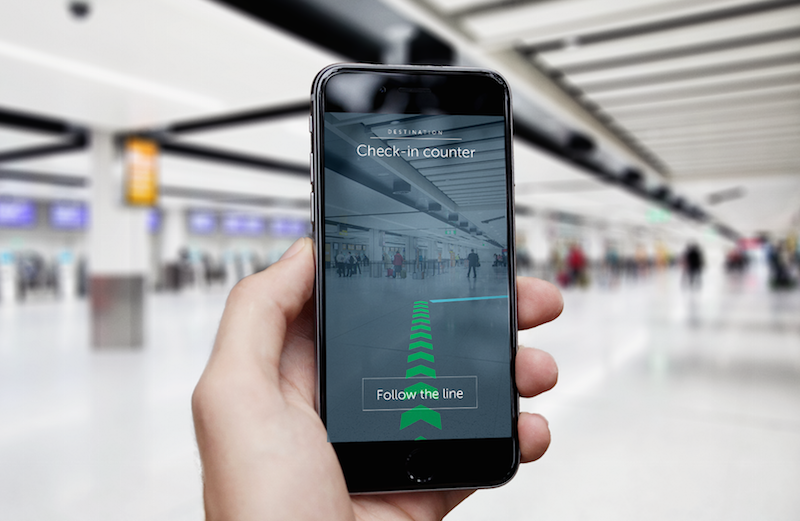
Large airports often employ indoor navigation systems based on BLE beacons and Wi-Fi. These solutions guide travelers to gates, restaurants, and other amenities, reducing stress in complex terminals. By integrating with mobile apps, airports provide personalized guidance and improve passenger experience.
This application demonstrates how location-based technology enhances convenience and operational efficiency in public infrastructure.
Practical Use Cases of Location-Based Technology
One important use case is emergency response systems. During natural disasters or accidents, location-based services help first responders locate individuals in need, optimize rescue routes, and coordinate efforts in real time.
In retail, geofencing technology allows businesses to engage customers as they approach a store, sending targeted promotions to encourage visits. This not only drives sales but also strengthens customer loyalty.
In logistics, fleet management relies heavily on location-based technology. Companies track vehicle locations, monitor delivery times, and improve route efficiency, leading to cost savings and better customer service.
Healthcare also benefits significantly. Hospitals can use real-time location systems to track medical equipment, ensure proper allocation of resources, and enhance patient care by monitoring movements within facilities.
Frequently Asked Questions
1. How does location-based technology work?
Location-based technology works by combining data from GPS satellites, Wi-Fi networks, cellular towers, and Bluetooth beacons to determine the position of a device or asset. The collected data is then processed by software to provide accurate location insights.
2. What industries benefit the most from location-based technology?
Industries such as retail, logistics, transportation, healthcare, tourism, and public safety benefit significantly. Each uses location data to improve operations, enhance customer experience, and ensure safety.
3. What are the limitations of location-based technology?
While highly effective, limitations include reduced accuracy indoors, potential privacy concerns, and dependence on network availability. Advances in hybrid technologies are addressing many of these challenges.