Location Based Services Applications: Complete Guide with Benefits and Real-World Examples
Location-based services applications (LBS apps) have become an integral part of everyday life, seamlessly merging the digital and physical worlds. These applications use geographical data to deliver personalized information, services, or alerts to users based on their real-time location.
From navigation apps like Google Maps to ride-hailing platforms such as Uber, LBS applications power some of the most widely used technologies today. Their value extends beyond convenience, influencing industries such as retail, healthcare, emergency response, and entertainment.
How Location-Based Services Applications Work
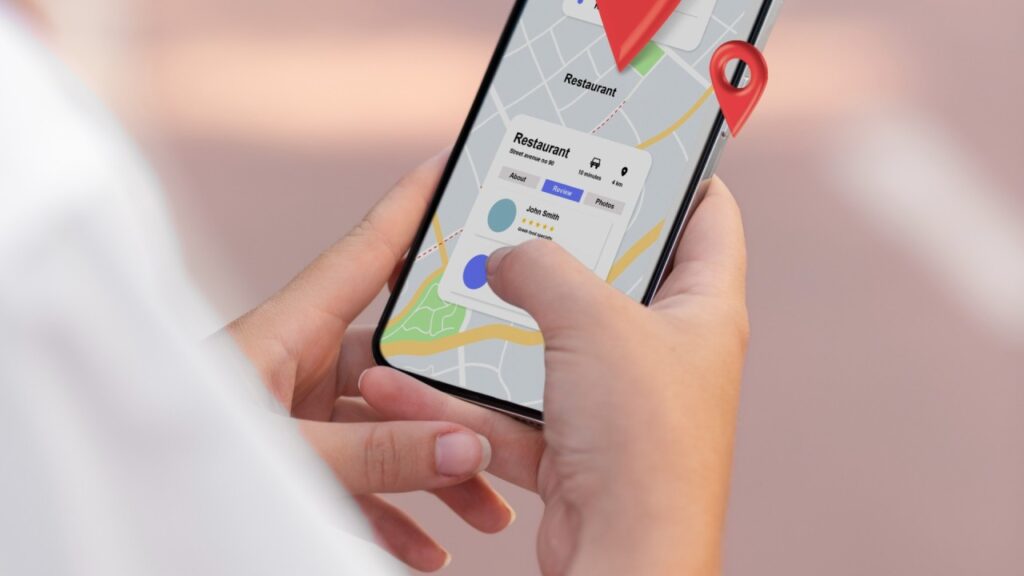
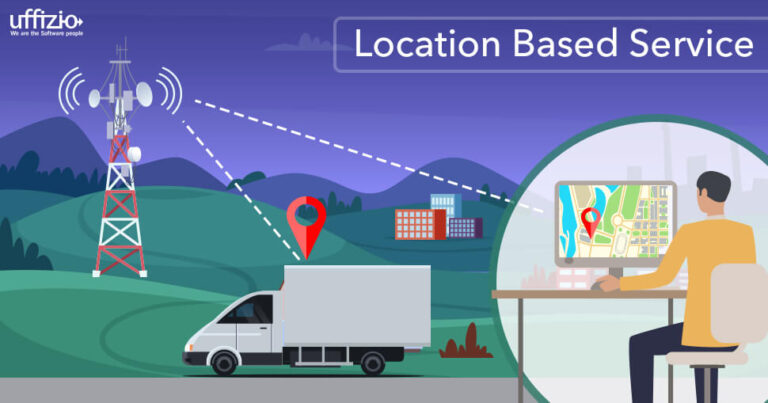
Location-based services applications operate by capturing location data from sources such as GPS satellites, cellular networks, or Wi-Fi connections. This information is then processed and matched with digital platforms to deliver relevant services in real time.
For instance, when a user checks traffic updates in Google Maps, the app uses GPS data to display congestion points and suggest alternate routes. Similarly, a food delivery app may use LBS to identify nearby restaurants and provide accurate delivery times.
The process involves three main steps: capturing the location, analyzing it through a digital system, and delivering context-specific information. This efficiency and immediacy make LBS applications indispensable.
Benefits of Location-Based Services Applications
The most significant benefit of LBS applications is personalization. By understanding where users are, these apps can provide tailored services that meet immediate needs.
Another benefit is efficiency. Whether it’s reducing commute times, connecting businesses with nearby customers, or guiding emergency services, LBS enhances productivity and decision-making.
LBS applications also boost engagement. Businesses can send targeted promotions, social platforms can improve user interactivity, and service providers can deliver better customer experiences.
Real-World Examples of Location-Based Services Applications
Navigation and Mapping Tools
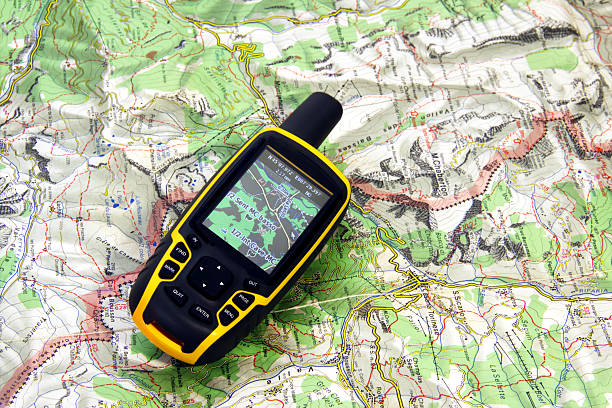
Navigation apps such as Google Maps and Waze are classic examples of LBS applications. They use GPS and real-time traffic data to provide accurate directions, estimated arrival times, and alternate routes.
The relevance of these apps is universal. Whether you are commuting to work, exploring a new city, or managing logistics for a business, navigation applications make travel more efficient and reliable.
Ride-Hailing Platforms
Ride-hailing apps like Uber and Lyft depend entirely on LBS technology. These platforms match passengers with nearby drivers, provide real-time ride tracking, and estimate arrival times all through geolocation.
This application highlights how LBS enables entirely new business models, transforming urban mobility and creating unprecedented convenience for users.
Retail and Location-Based Marketing
Retail businesses leverage LBS applications to engage customers through targeted marketing. For example, Starbucks uses location data to notify users of nearby outlets and offer promotions. Similarly, shopping malls use LBS to enhance in-store navigation and customer engagement.
The effectiveness lies in timing. Reaching customers when they are physically close to making a purchase increases conversion rates significantly compared to traditional advertising.
Social Media and Entertainment Apps
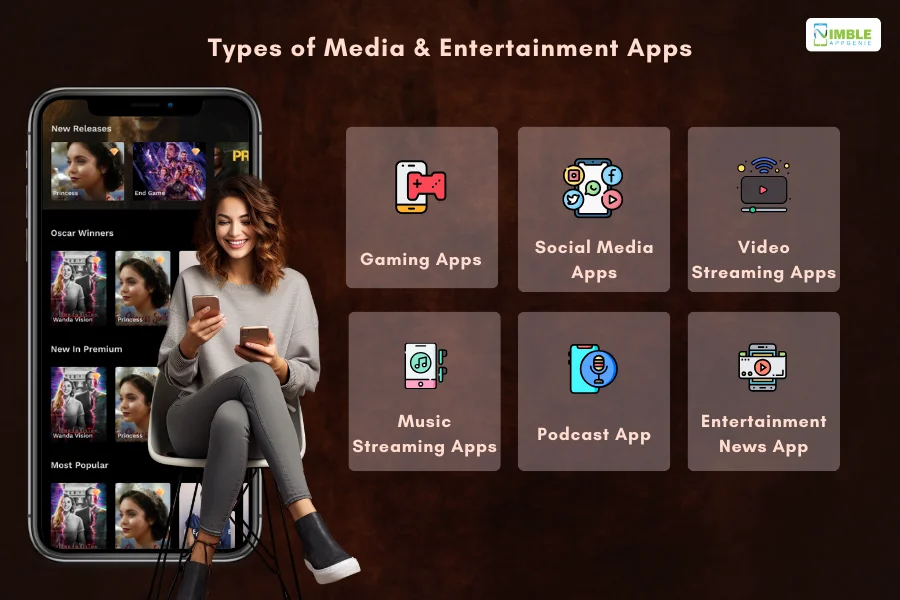
Platforms like Facebook, Instagram, and Snapchat integrate location features that allow users to tag places, check in, or discover events nearby. Even dating apps like Tinder rely on location services to connect users within specifradiises.
This shows how LBS goes beyond utility it also enhances social engagement, discovery, and entertainment by linking digital content with real-world environments.
Healthcare and Emergency Services
Healthcare providers and emergency agencies increasingly use LBS applications. For example, emergency response systems can locate distress calls in real time, while hospitals use LBS to manage ambulance routes.
This application demonstrates the life-saving potential of LBS, proving it’s not just about convenience but also about critical services that protect and support communities.
Practical Advantages ofLocation-Basedd Services Applications
One practical advantage of LBS apps is their ability to improve real-time decision-making. By providing users with instant updates and directions, these applications help individuals and organizations respond faster to changing situations.
Another advantage is scalability. Whether used by small businesses, multinational corporations, or governments, LBS applications can be tailored to fit different industries and objectives.
Economically, LBS reduces waste by ensuring businesses only target the right customers at the right time, improving return on investment and reducing unnecessary costs.
Use Cases: Problems Solved by Location-Based Services Applications
Optimizing Travel and Logistics
Traffic congestion is a global problem. LBS-powered navigation and logistics apps solve this by identifying faster routes, reducing travel time, and minimizing fuel consumption. This makes commuting more predictable and logistics more cost-effective.
Increasing Retail Foot Traffic
Brick-and-mortar stores often struggle to attract nearby customers. LBS applications solve this by sending promotions and recommendations when potential buyers are within walking distance, effectively bridging the gap between online engagement and in-store purchases.
Enhancing Public Safety
During emergencies, response time can be the difference between life and death. LBS enables faster location tracking, guiding rescuers to exact spots and broadcasting alerts to people in affected areas. This use case highlights its irreplaceable role in disaster management and healthcare.
FAQs
1. What are location-based services applications used for?
They are used to deliver personalized information and services in real time, based on a user’s geographic location. Applications include navigation, ride-hailing, retail marketing, healthcare, and social media.
2. Are location-based services applications safe for users?
Yes, when implemented responsibly. However, user privacy must be safeguarded with transparent consent processes and compliance with data protection laws.
3. Which industries benefit most from LBS applications?
Industries such as transportation, retail, healthcare, emergency response, and social networking benefit the most by enhancing efficiency, engagement, and customer satisfaction.