LBS Services: Complete Guide to Location-Based Services, Benefits, and Applications
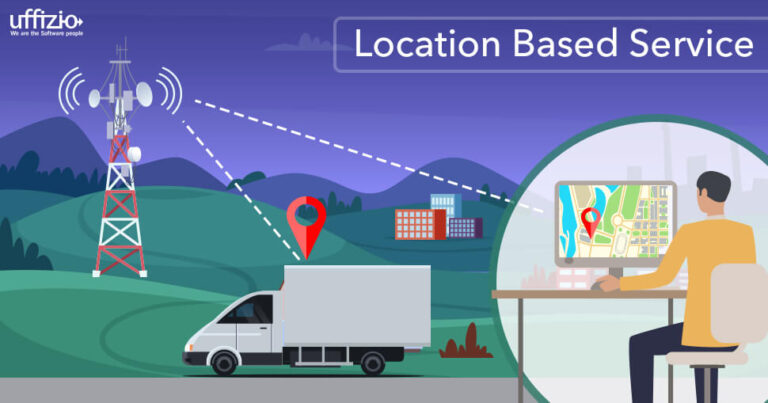
LBS services, or Location-Based Services, have become an integral part of our digital ecosystem. These services use geographic data to deliver personalized, context-aware information to users. Whether it’s real-time navigation on your phone, tracking deliveries, or receiving promotional alerts when you walk past a store, LBS services power countless experiences we often take for granted.
The foundation of LBS services lies in merging positioning technologies like GPS, Wi-Fi, Bluetooth, and mobile networks with applications and cloud computing. The result is a dynamic framework that enhances customer experiences, supports businesses in decision-making, and even helps governments build smarter cities.
How LBS Services Work
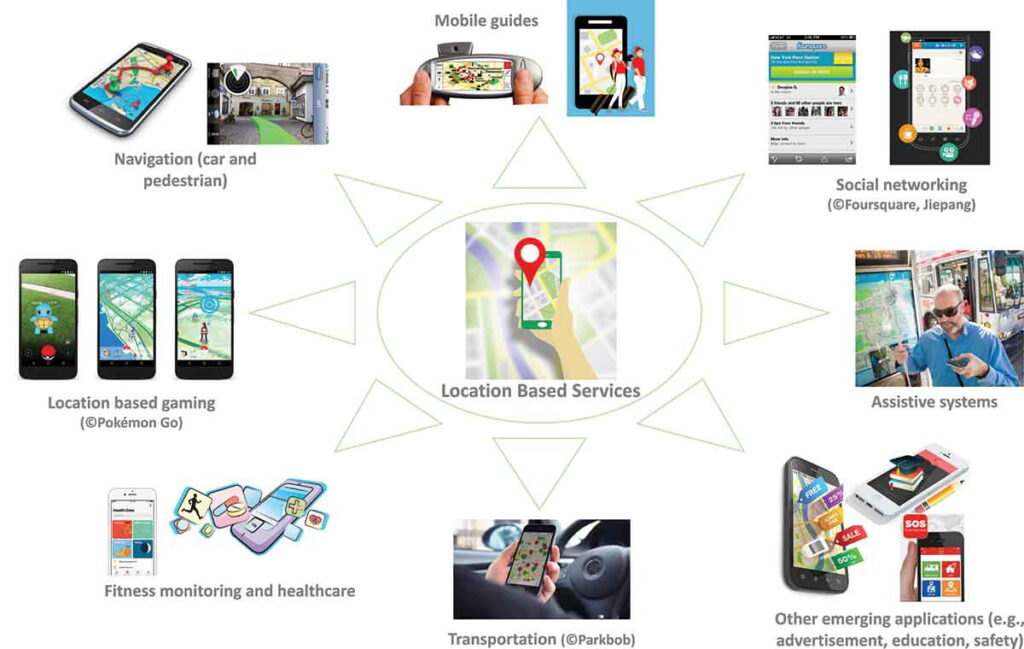
At their core, LBS services involve three critical steps:
-
Positioning: Identifying the user’s location via GPS, cellular towers, Wi-Fi hotspots, or beacons.
-
Processing: Sending this data to servers or applications for analysis and decision-making.
-
Delivery: Providing tailored services, whether navigation instructions, location-specific promotions, or asset tracking details.
For example, food delivery apps rely on LBS to match drivers with customers and restaurants. Similarly, emergency response systems use location tracking to guide first responders to incidents faster. This demonstrates the importance of LBS in connecting the physical and digital worlds seamlessly.
Benefits of LBS Services
LBS services bring multiple advantages to both individuals and organizations:
-
Personalized Experiences: Users receive recommendations, alerts, or promotions relevant to their exact location.
-
Operational Efficiency: Businesses can streamline logistics, track assets, and optimize staff management in real time.
-
Enhanced Safety: LBS supports emergency alerts, disaster management, and personal security by providing accurate location tracking.
-
Smarter Decision-Making: Organizations leverage LBS data to analyze customer behavior patterns and improve services.
-
Convenience and Engagement: End-users enjoy faster navigation, efficient delivery services, and relevant offers tailored to their environment.
These benefits explain why LBS services are not just optional but essential for industries striving to remain competitive in today’s mobile-first economy.
Real-World Examples of LBS Services
Google Maps
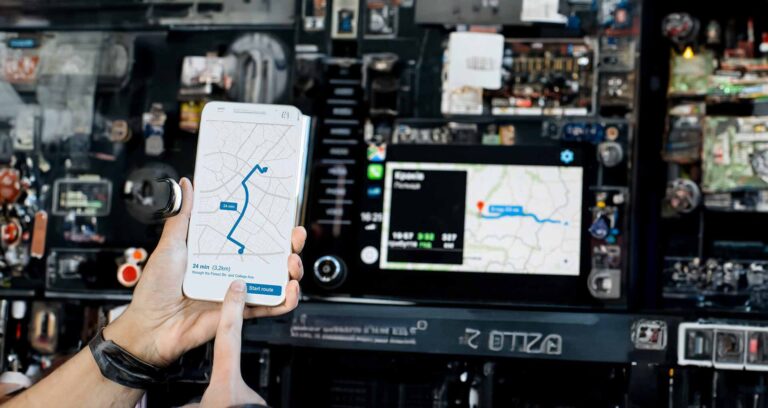
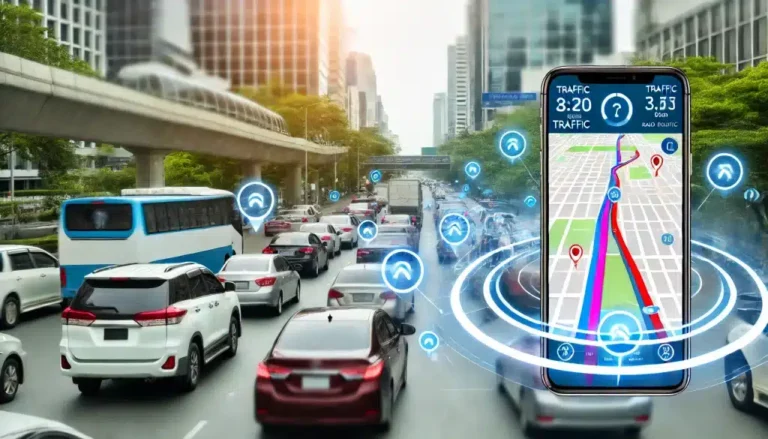
Google Maps is perhaps the most familiar LBS service globally. By using GPS, satellite imagery, and user data, it provides turn-by-turn navigation, live traffic updates, and nearby business recommendations.
Its impact is vast: from helping commuters find faster routes to empowering businesses with insights into customer movements. Google Maps has proven how reliable and user-friendly LBS services can revolutionize daily life.
Uber and Lyft
Ride-hailing apps like Uber and Lyft are excellent examples of LBS services in practice. These platforms connect passengers with nearby drivers by calculating distances and travel times based on real-time GPS data.
The convenience of requesting a ride instantly and tracking the driver’s approach is entirely powered by LBS. Beyond personal transportation, these services have influenced logistics, delivery services, and even urban mobility planning.
Retail Proximity Marketing
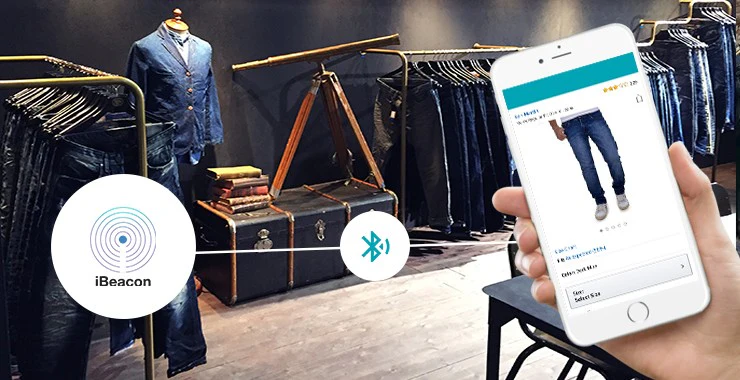
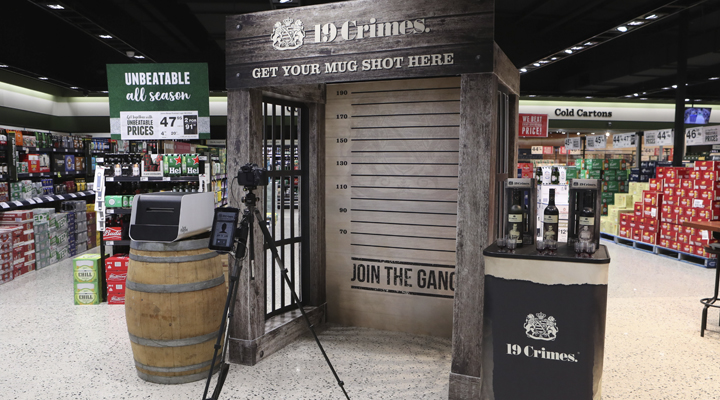
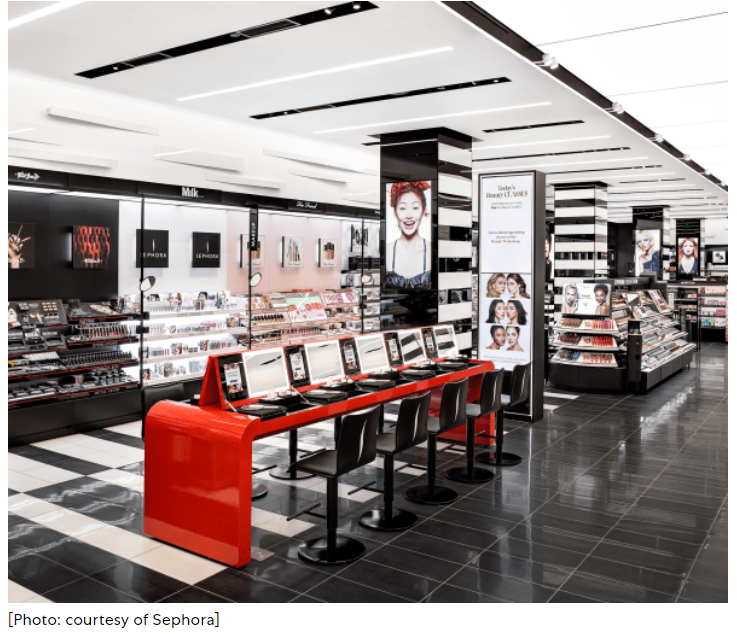
Retail chains increasingly adopt proximity marketing solutions powered by LBS. Using beacons and Wi-Fi, customers receive instant notifications about sales or promotions when they enter a store or walk past a branch.
This strategy creates personalized shopping experiences and increases customer engagement, demonstrating how LBS helps physical retailers compete in a digital age.
Healthcare Tracking Systems
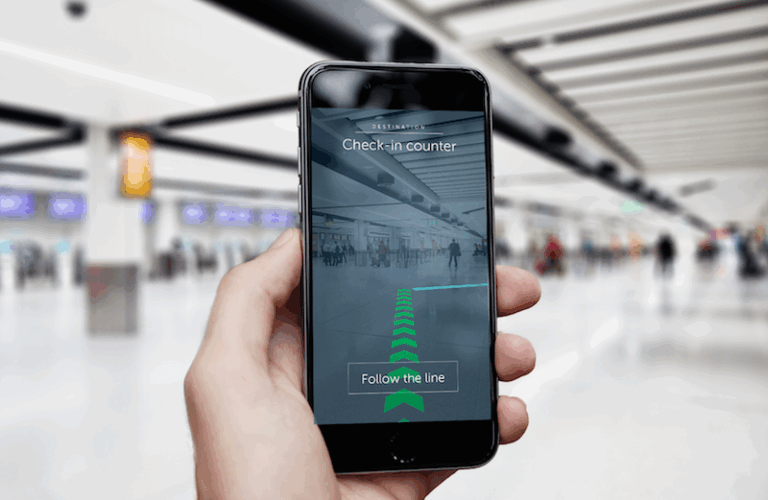
Hospitals and healthcare providers use LBS services to track medical equipment, monitor patient movements, and guide visitors through large facilities. LBS applications can also send reminders about appointments when patients enter a hospital’s vicinity.
By improving asset management and ensuring patient safety, LBS plays a pivotal role in healthcare’s digital transformation.
Smart Cities and Public Services
Smart cities rely heavily on LBS services. Municipalities use location tracking for public transportation optimization, waste collection management, and emergency services. For example, buses and trains can be tracked in real time, providing passengers with accurate arrival information.
This real-world application shows how LBS services enhance public infrastructure, reduce congestion, and promote sustainability.
Practical Advantages of LBS Services
The greatest strength of LBS services is their ability to deliver context-aware solutions. Instead of generic interactions, users receive services customized for their immediate surroundings.
Another advantage is time and cost savings. By optimizing routes, tracking assets, and enabling predictive analytics, organizations reduce waste, improve productivity, and enhance customer satisfaction. Moreover, in safety-critical environments, LBS likely save lives by guiding rescue operations.
Use Cases: Problems Solved by LBS Services

Logistics and Supply Chain Management
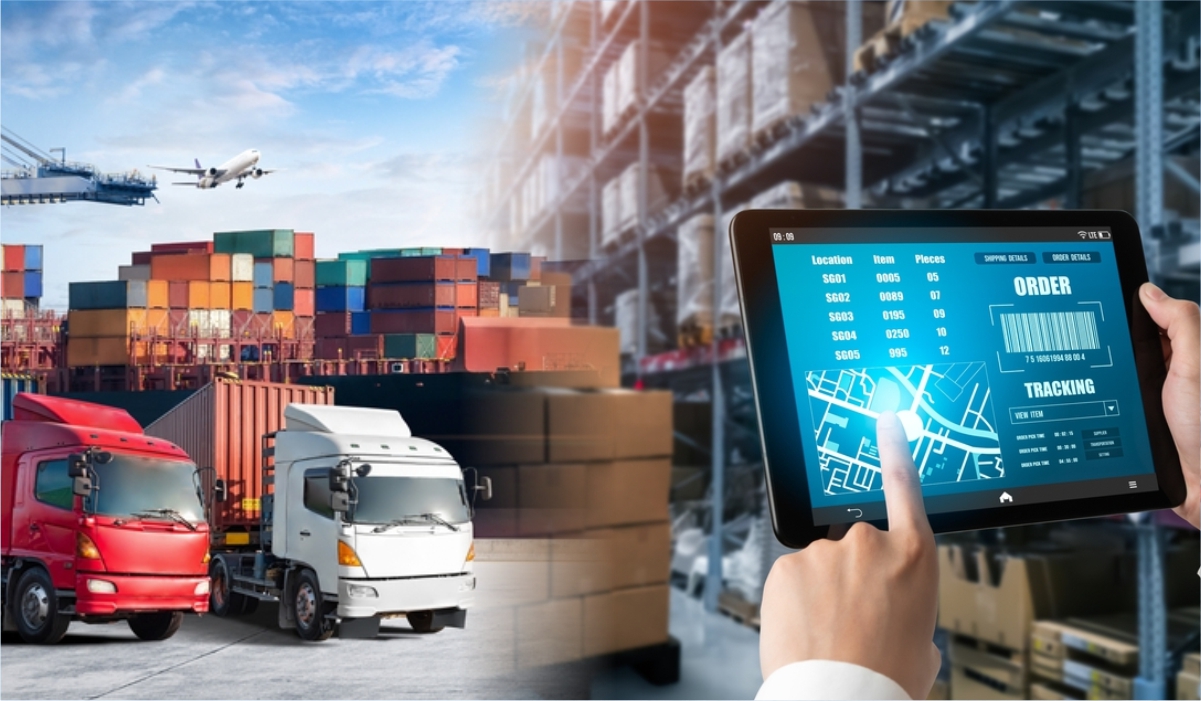
Inefficient routing and asset tracking often lead to delays and increased costs. LBS services allow companies to monitor shipments, optimize delivery paths, and provide customers with accurate updates, improving trust and efficiency.
Marketing and Customer Engagement
Modern consumers expect personalized interactions. LBS enables retailers and marketers to reach potential customers with promotions at the right place and time, significantly increasing conversion rates.
Emergency Response and Safety
In disaster management or personal emergencies, LBS services can pinpoint a user’s exact location, allowing faster rescue operations and real-time communication.
Tourism and Travel
Tourists benefit immensely from LBS through navigation apps, guided tours, and recommendations for nearby attractions. These services enhance their travel experience while supporting local economies.
Healthcare and Patient Care
LBS improves hospital operations by preventing equipment loss, tracking staff efficiency, and ensuring patients are guided to the right departments without confusion.
FAQs
1. What are LBS services?
LBS services, or location-based services, use geographic data to provide personalized, real-time information or functionality tailored to a user’s location.
2. Which industries use LBS services the most?
Industries such as logistics, healthcare, retail, tourism, transportation, and public safety heavily rely on LBS for efficiency, safety, and customer engagement.
3. What technologies power LBS services?
LBS services depend on GPS, Wi-Fi, Bluetooth beacons, and mobile networks, combined with cloud computing and algorithms to deliver accurate location-based information.