LBS Location Based Service: Full Guide to Technology, Benefits, and Applications
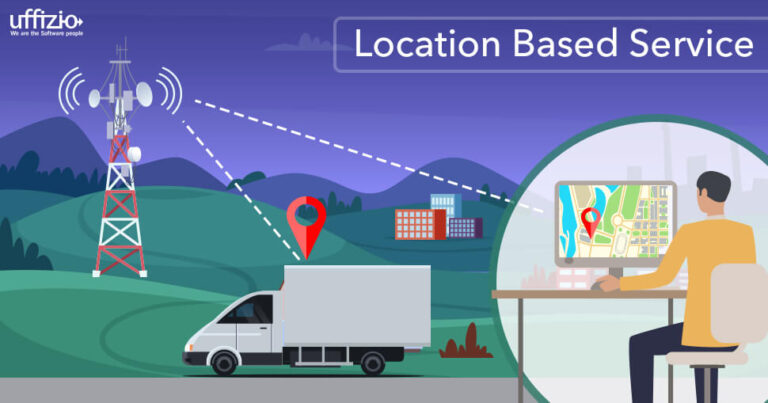
The term LBS, location-based service, refers to digital services that deliver personalized, real-time content and functionality based on a user’s geographic location. It integrates multiple technologies such as GPS, cellular networks, Wi-Fi, and sometimes Bluetooth beacons to accurately determine where a user is and deliver services accordingly.
From navigation apps that guide you to the fastest route, to emergency alert systems that inform people of nearby dangers, to marketing campaigns that send promotions when you enter a store, LBSS has transformed the way businesses, governments, and individuals interact with their surroundings.
Table of Contents
ToggleHow LBS Location-Based Services Work
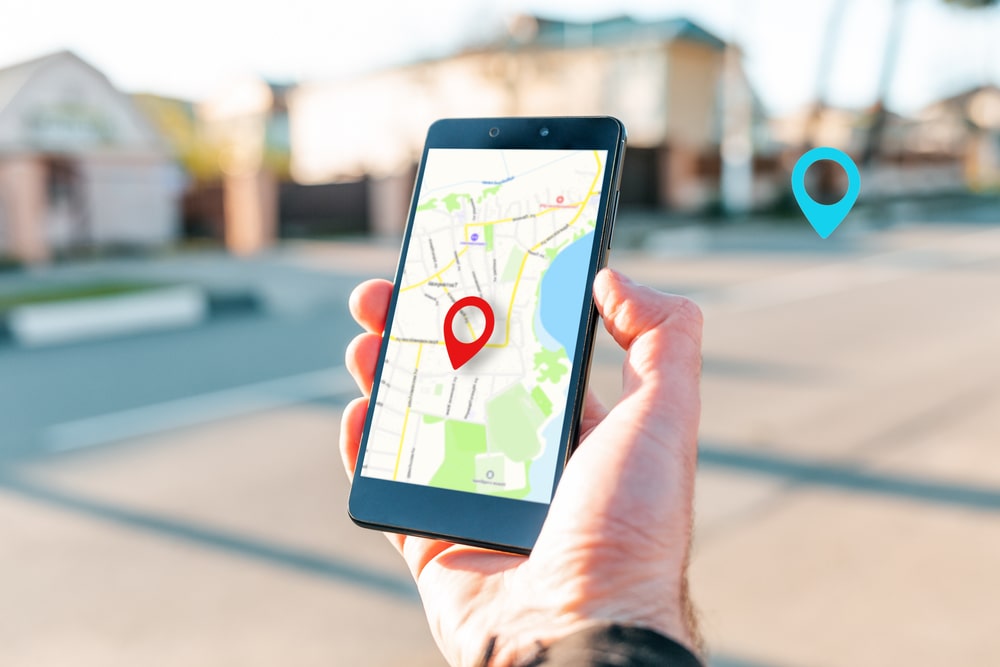
At the heart of LBS lies the principle of geographic awareness. The process involves three key steps:
-
Location Detection – User location is determined via GPS satellites, cell towers, Wi-Fi access points, or beacon technology.
-
Data Processing – This location data is transmitted to servers, where algorithms analyze and contextualize it.
-
Service Delivery – Tailored services, alerts, or functions are then sent back to the user’s device in real time.
For example, when you use a ride-hailing app, LBS ensures the system pinpoints your pickup location, finds a driver nearby, and tracks the car as it approaches. This seamless experience demonstrates why LBS has become a cornerstone of modern mobile technology.
Key Benefits of LBS Location-Based Services
Personalization and Relevance
LBS allows businesses to deliver highly relevant, personalized services. Instead of broadcasting generic offers, businesses can target customers with specific promotions or information based on their exact location.
Increased Operational Efficiency
Companies use LBS for fleet management, asset tracking, and logistics optimization. Real-time visibility into the movement of goods and people reduces costs, saves time, and minimizes inefficiencies.
Enhanced Safety and Security
One of the most critical advantages is improved safety. LBS powers emergency response systems, personal safety apps, and disaster alerts, ensuring help reaches those in need faster.
Smarter Data-Driven Insights
Businesses and organizations gain valuable behavioral data by analyzing user movements and location trends. This data can shape everything from retail layouts to city infrastructure planning.
Better Engagement and Loyalty
By sending timely notifications or contextual services, businesses create deeper engagement and brand loyalty, as users perceive the services as helpful rather than intrusive.
Real-World Examples of LBS Location-Based Services
Google Maps
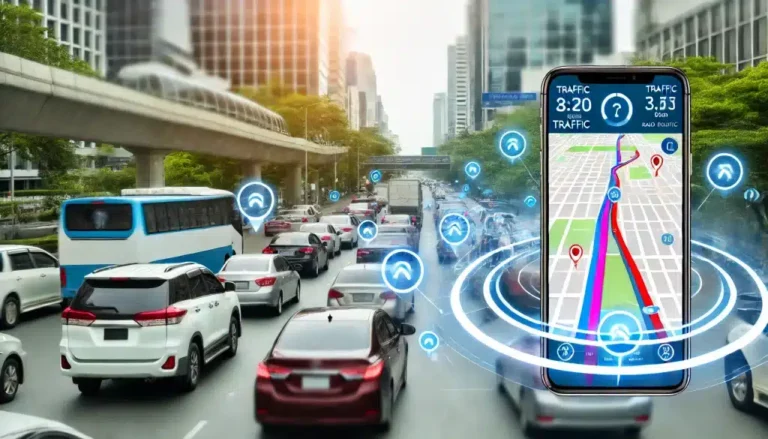
Perhaps the most famous LBS application, Google Maps, combines GPS, real-time traffic updates, and business listings to provide users with accurate navigation and recommendations. Beyond travel, it is integrated with local business marketing, enabling organizations to gain visibility when customers search “near me.”
The relevance of Google Maps lies in its dual purpose: empowering individuals to navigate the world and enabling businesses to connect with customers through location intelligence.
Uber and Lyft
Ride-hailing apps like Uber and Lyft rely entirely on LBS technology. They detect passenger locations, identify nearby drivers, calculate estimated fares, and track rides in real time.
These services have reshaped urban mobility, reducing the need for traditional taxi systems and making transportation more efficient. The backbone of their convenience is the seamless integration of LBS into every stage of the user journey.
Proximity Marketing in Retail
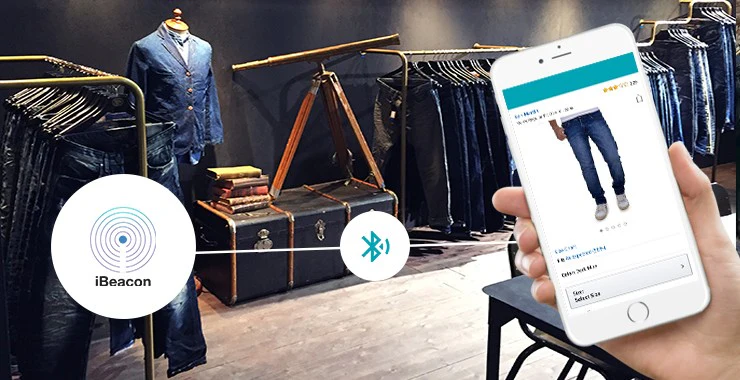
Retailers now leverage proximity-based LBS to send customers real-time offers when they are near or inside stores. Using Bluetooth beacons or Wi-Fi signals, businesses can alert shoppers to special deals or guide them through in-store navigation.
This application makes the retail experience interactive and competitive, bridging the gap between online convenience and physical store engagement.
Healthcare Asset and Patient Tracking

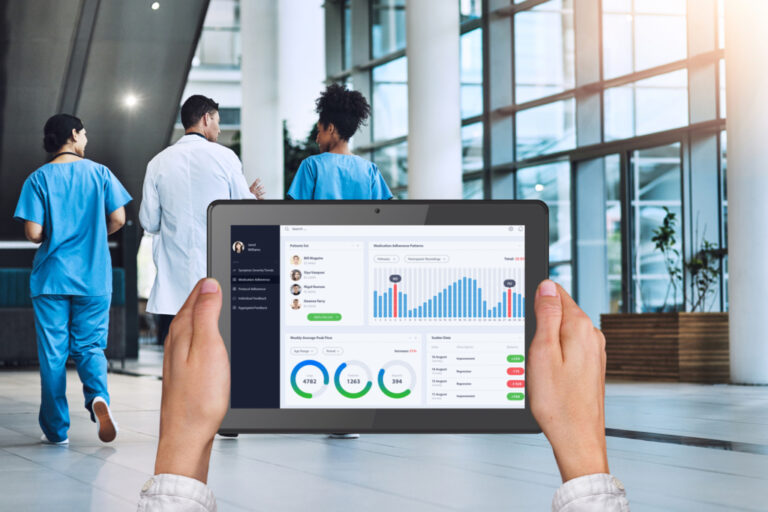
In hospitals, LBS is used to track equipment like wheelchairs, ventilators, and diagnostic devices, ensuring they are available when needed. Additionally, LBS applications guide patients and visitors through complex hospital layouts and monitor staff workflow.
This real-time monitoring enhances efficiency, reduces wasted resources, and significantly improves patient care and safety.
Smart City Infrastructure

Governments apply LBS in traffic management, waste collection, emergency alerts, and public transportation. For instance, commuters can check when the next bus or train will arrive using live location data.
Smart cities rely on LBS to build systems that improve urban living, optimize resource distribution, and enhance public safety.
Advantages of LBS in Modern Technology
The integration of LBS into apps and systems provides multiple advantages:
-
Context Awareness: Delivering content that adapts to both where a user is and what they are doing.
-
Resource Optimization: Ensuring assets, vehicles, or staff are used effectively.
-
Enhanced Communication: Connecting users with timely, location-relevant updates.
-
Scalable Applications: From small businesses to nationwide government systems, LBS is flexible across industries.
Practical Use Cases of LBS Location-Based Services
Logistics and Transportation
Without LBS, logistics companies struggle with inefficiencies. With LBS, businesses track shipments, monitor fleet movements, and send accurate delivery ETAs to customers, improving reliability and trust.
Retail and Marketing
Traditional marketing methods often lack relevance. LBS enables location-triggered promotions, helping retailers engage customers at the right time and place, ultimately boosting conversion rates.
Emergency Response
LBS is crucial for locating victims during disasters or crimes. Authorities use it to send alerts, coordinate rescue efforts, and save lives by quickly narrowing down exact locations.
Tourism and Travel
Travelers use LBS for real-time navigation, recommendations, and translation services. It enhances sightseeing experiences by pointing out local attractions and hidden gems.
Healthcare
Hospitals optimize patient management, resource allocation, and staff coordination with LBS. It ensures critical devices and personnel are always available at the right place and time.
FAQs
1. What does LBS location-based service mean?
It refers to services that use geographic data from GPS, Wi-Fi, or cell towers to deliver real-time functionality tailored to a user’s exact location.
2. What industries benefit the most from LBS?
Industries such as logistics, healthcare, retail, tourism, public safety, and urban development gain the most value from location-based services.
3. Why is LBS important today?
LBS is critical because it improves personalization, efficiency, safety, and user experience in both consumer and enterprise applications, making it a vital part of modern technology.