Hotel Room Types: Complete Guide to Choosing the Best Accommodation for Your Stay
When planning a trip, the type of hotel room you book plays a critical role in shaping your overall travel experience. Whether you are traveling for business, a family vacation, or a romantic escape, hotels around the world offer a wide variety of room types designed to meet diverse needs. Understanding hotel room types not only helps you select the right accommodation but also ensures your stay is both comfortable and practical.
This guide explores the most common hotel room types, from budget-friendly options to premium suites, and explains the unique features, benefits, and use cases for each. We will also examine real-world examples to illustrate how different room categories meet the demands of various travelers.
Why Understanding Hotel Room Types Matters
Hotel rooms are not created equal. What might suit a solo traveler may not be ideal for a family of four or a couple celebrating a special occasion. Choosing the wrong room type can result in discomfort, logistical challenges, and a less enjoyable trip.
By learning about different hotel room types, travelers can make informed choices that align with their purpose of travel, budget, and expectations. The right room type can enhance rest, convenience, and the overall quality of a trip.
Standard Room
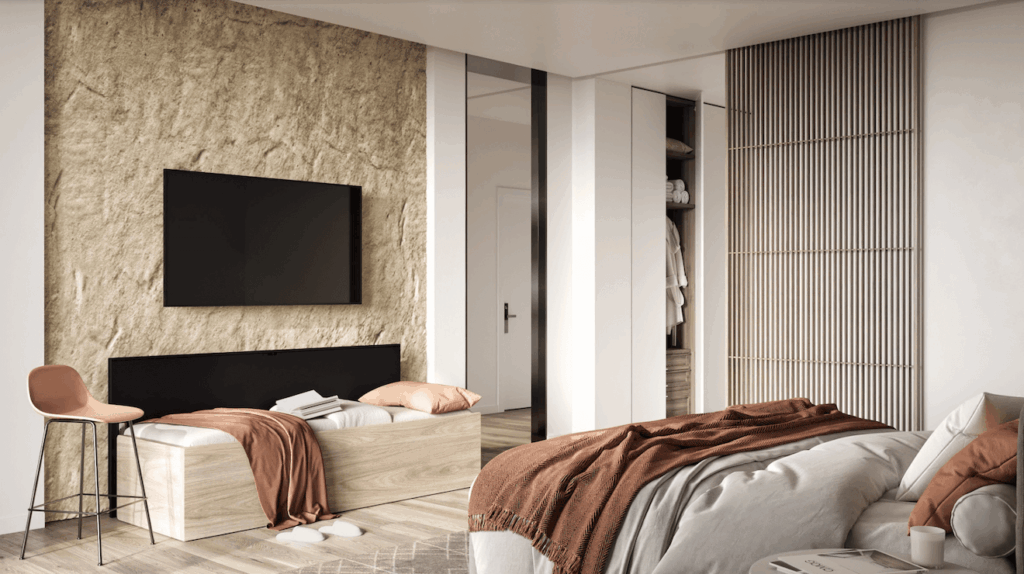
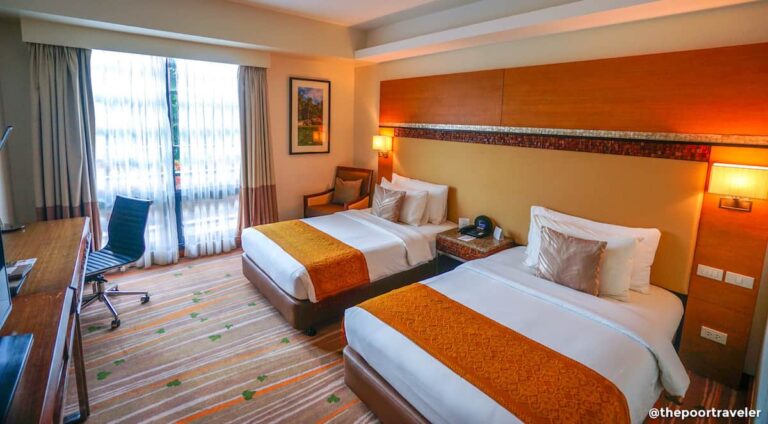
The standard room is the most common and affordable option available at most hotels. Typically equipped with either a king bed, a queen bed, or two twin beds, this room type is designed to provide essential comfort at a practical price.
Standard rooms usually include basic amenities such as a private bathroom, a television, a desk, and sometimes a small seating area. While not extravagant, they are perfect for solo travelers, short business trips, or budget-conscious guests who want a simple yet comfortable stay.
Deluxe Room
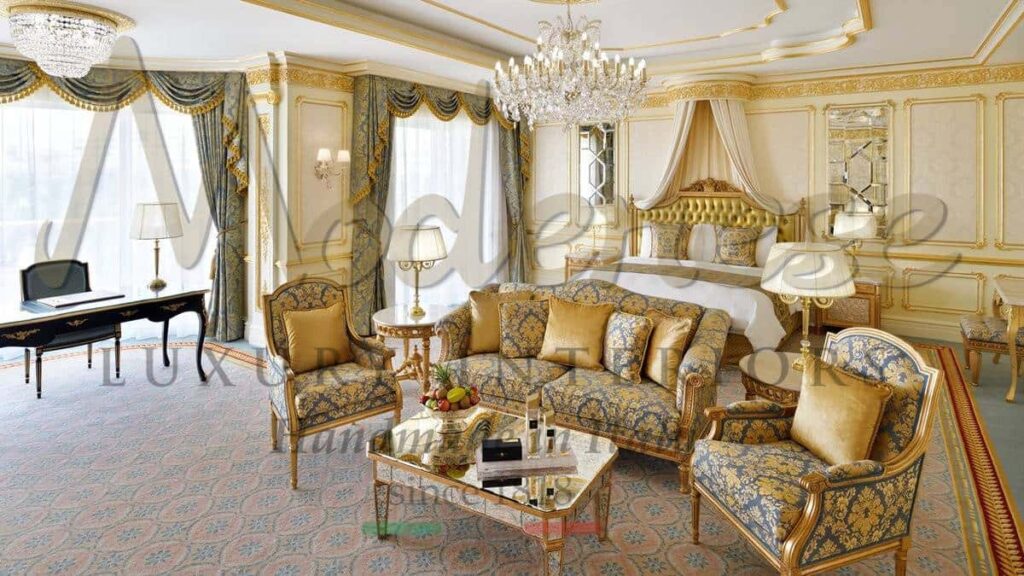
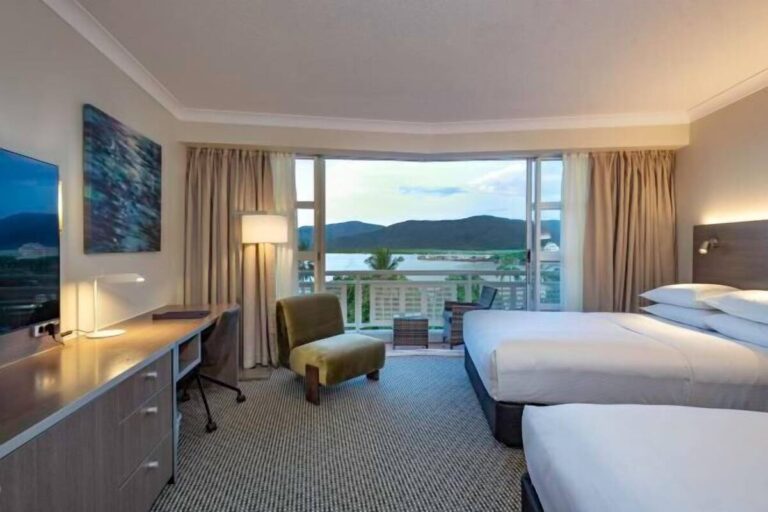
A deluxe room offers more space and upgraded features compared to a standard room. These rooms often include better views, higher-quality furnishings, and added amenities such as mini-fridges, upgraded bathrooms, and premium bedding.
Deluxe rooms are popular among leisure travelers and business guests who want a touch of luxury without committing to the expense of a full suite. They strike a balance between comfort, elegance, and affordability.
Family Room
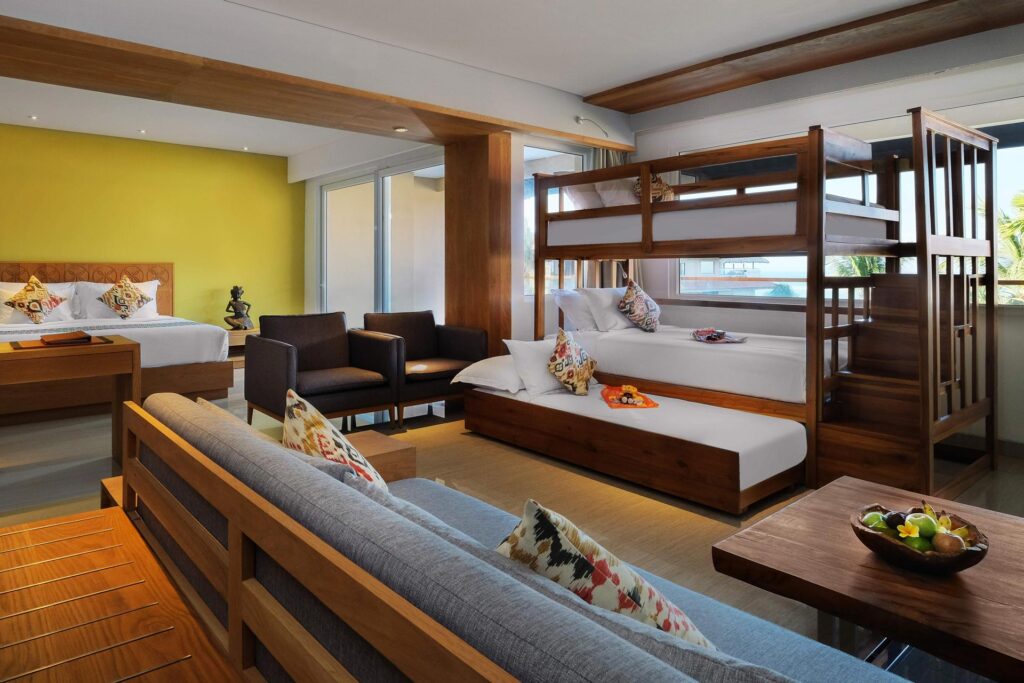
Family rooms are specifically designed to accommodate groups or families traveling together. They often include multiple beds, sofa beds, or connecting room options that provide both space and privacy.
Amenities may include larger bathrooms, kid-friendly features, and additional storage. Family rooms ensure that parents and children can stay together comfortably without compromising personal space.
Suites
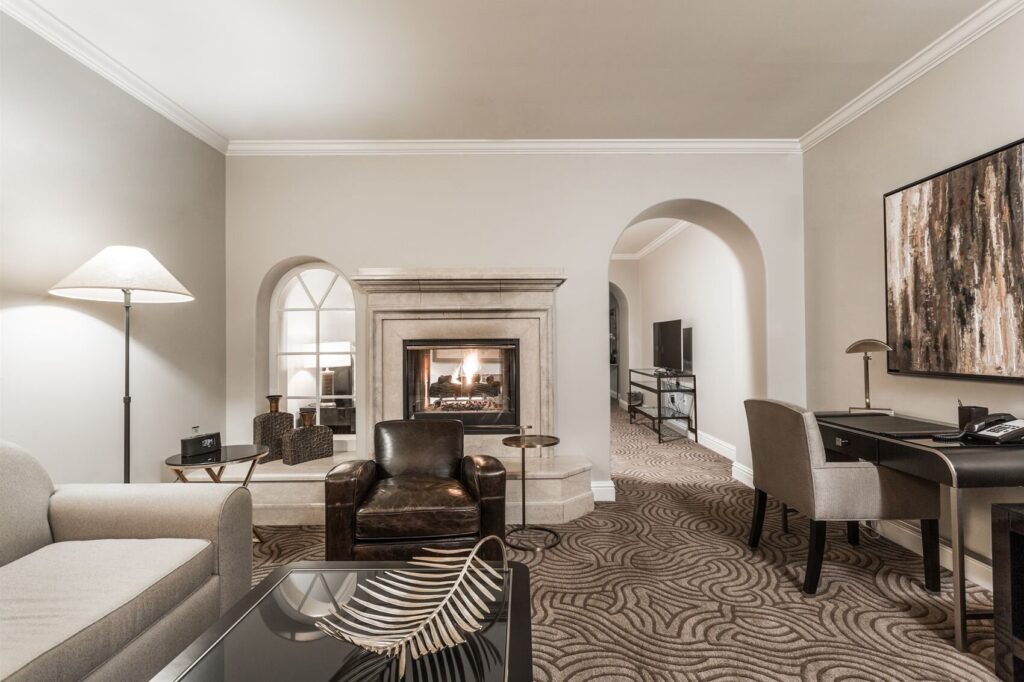
Suites represent a significant upgrade in both size and amenities. Unlike standard rooms, suites typically feature separate living and sleeping areas, larger bathrooms, and premium décor. Some suites also include kitchenettes, dining areas, or private balconies.
Suites are well-suited for longer stays, business travelers who may host meetings in their rooms, or couples seeking a more luxurious experience. They provide a sense of home-like comfort while maintaining the services and convenience of a hotel.
Executive and Business Rooms
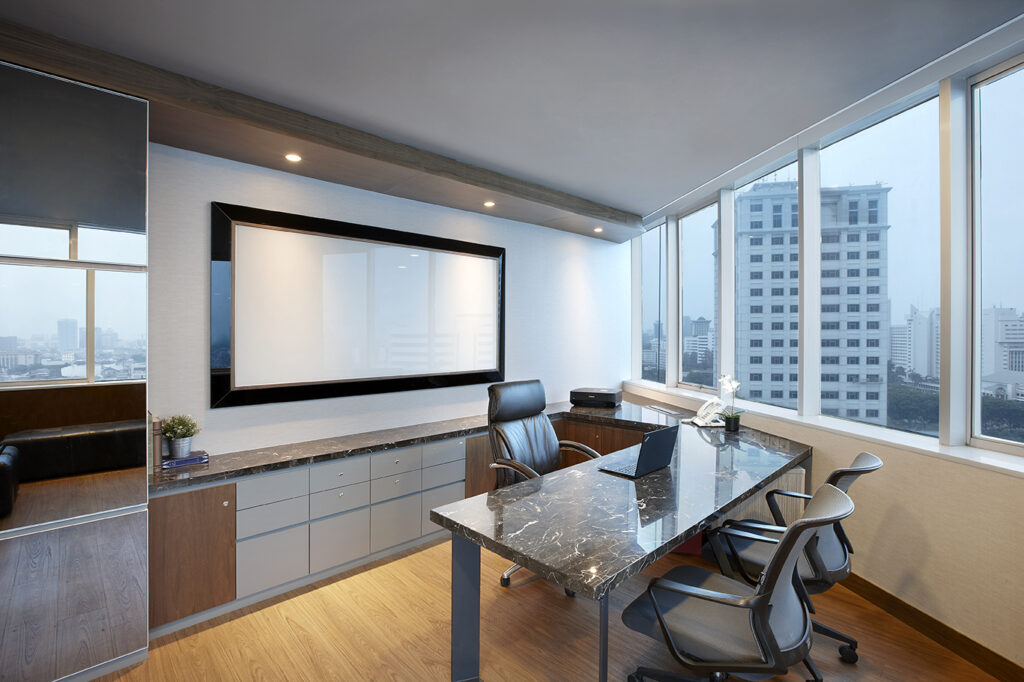
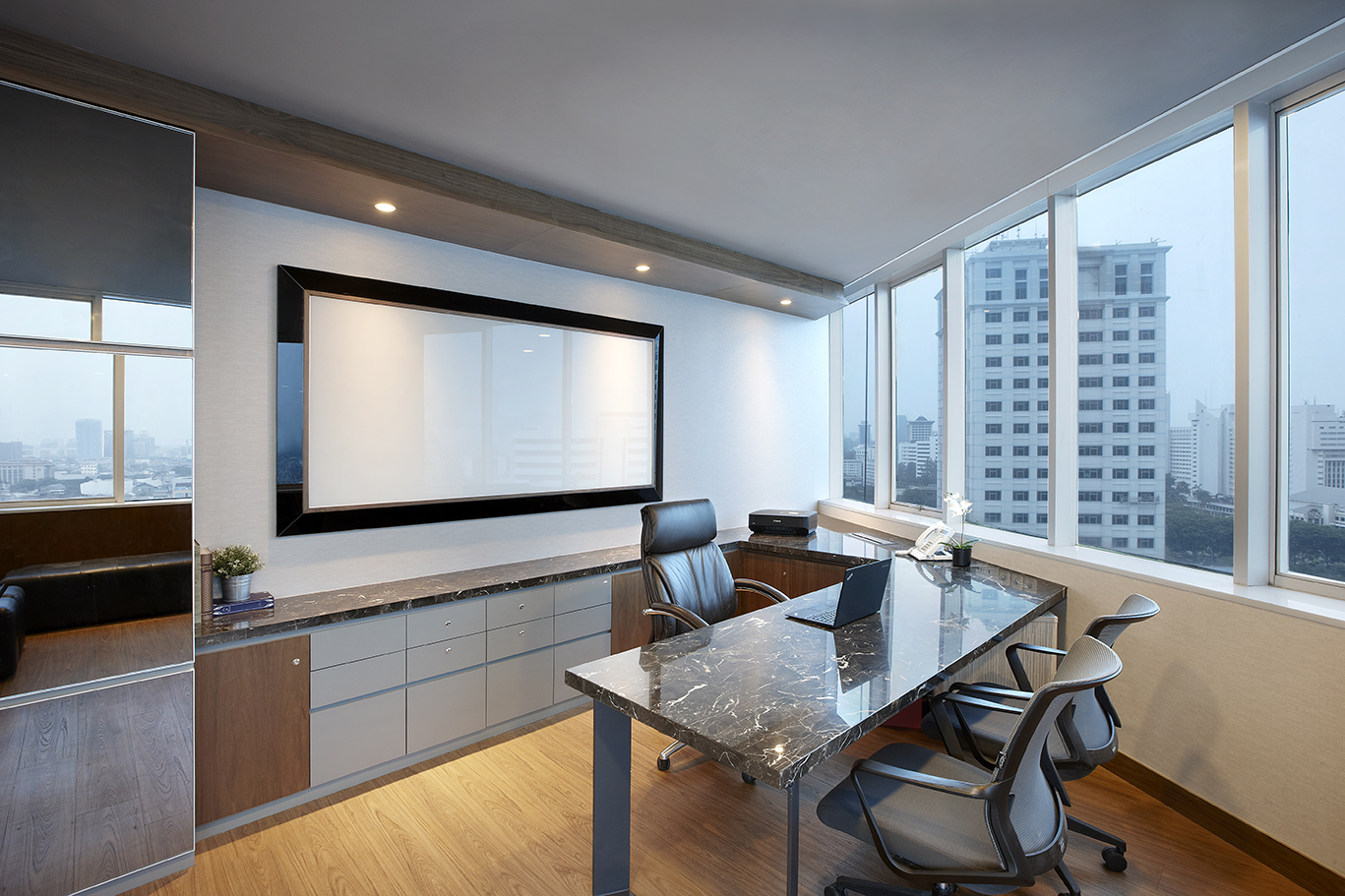
Executive or business rooms are tailored to professionals who need both comfort and functionality. These rooms often include ergonomic workspaces, high-speed internet, multiple charging outlets, and quiet environments ideal for productivity.
Business travelers benefit from these specialized spaces, as they provide a professional setting while also ensuring relaxation during downtime. Many hotels also combine these rooms with access to executive lounges or business centers.
Accessible Rooms
Accessible rooms are designed to meet the needs of guests with mobility challenges or disabilities. They often feature wider doorways, roll-in showers, grab bars, lowered countertops, and other thoughtful modifications.
This room type ensures inclusivity and independence, allowing all travelers to enjoy a comfortable and dignified hotel experience. Many hotels design accessible rooms with the same décor and quality as their standard or deluxe rooms to ensure consistency.
Specialty and Themed Rooms
Some hotels offer specialty or themed rooms that go beyond traditional layouts. These may include spa rooms with in-room whirlpools, eco-friendly rooms with sustainable materials, or themed suites inspired by local culture.
Such rooms provide memorable experiences, making them particularly popular for celebrations, romantic getaways, or travelers seeking something unique. They highlight the creativity and variety within the hospitality industry.
Real-World Examples of Hotel Room Types
Standard Room at a Business Hotel in New York
A solo business traveler attending meetings in New York may choose a standard room. With a comfortable bed, reliable Wi-Fi, and a quiet environment, the room provides everything necessary for a short, efficient stay.
This example demonstrates how the standard room type suits practical, short-term travel needs.
Deluxe Room at a Beach Resort in Bali
A couple on vacation in Bali might opt for a deluxe room overlooking the ocean. The upgraded features, larger space, and scenic views enhance relaxation and make the trip more memorable.
This illustrates how deluxe rooms cater to leisure travelers seeking both comfort and an elevated experience.
Family Room in Orlando Near Theme Parks
A family visiting Orlando’s theme parks could benefit from a family room with two queen beds and a sofa bed. The extra space and multiple bedding options ensure that parents and children can stay together comfortably.
This example highlights the practicality of family rooms for group travel.
Executive Room in London for Business Travelers
An executive traveler in London may choose a business room with a dedicated workspace, high-speed internet, and easy access to a hotel business center.
This shows how executive rooms serve as efficient hubs for productivity while still offering comfort.
Luxury Suite in Las Vegas for a Romantic Getaway
A couple celebrating their anniversary in Las Vegas might book a luxury suite with a private living room, spa bathroom, and panoramic views of the Strip.
This demonstrates how suites provide not just accommodation, but a memorable and luxurious travel experience.
Benefits of Understanding Hotel Room Types

Knowing the differences between hotel room types allows travelers to select accommodations that align with their needs, budgets, and expectations. This knowledge can prevent common issues such as cramped spaces for families or a lack of work-friendly amenities for business travelers.
It also ensures better value for money. By matching your travel purpose with the right room type, you maximize both comfort and practicality. Whether it’s saving money with a standard room or enjoying indulgence with a suite, the choice becomes more strategic and satisfying.
Practical Use Cases for Hotel Room Types
-
Business Trips: Executive rooms help professionals stay productive while also enjoying a comfortable environment.
-
Family Vacations: Family rooms ensure everyone has adequate space and convenience for group travel.
-
Short Getaways: Standard rooms offer affordability and practicality for quick trips.
-
Romantic Escapes: Suites provide luxurious touches that enhance special occasions.
-
Accessibility Needs: Accessible rooms ensure dignity, comfort, and independence for travelers with mobility challenges.
Frequently Asked Questions
1. What is the difference between a deluxe room and a suite?
A deluxe room is an upgraded version of a standard room, offering more space and better amenities. A suite, on the other hand, typically includes separate living and sleeping areas, larger bathrooms, and premium features.
2. Are family rooms available in all hotels?
Not all hotels offer family rooms, but many resorts, vacation destinations, and urban hotels do. They are designed to provide additional beds and space for group travel.
3. Do accessible hotel rooms compromise on luxury?
No. Modern hotels design accessible rooms with the same décor and quality as other room types, ensuring that guests with accessibility needs receive the same comfort and style.