Double and Twin Room: Complete Guide to Features, Benefits, and Use Cases
When booking a hotel stay, one of the most common decisions travelers face is choosing between a double room and a twin room. These two room types are widely offered in hotels across the world, yet they serve different purposes and guest profiles. Understanding the features and advantages of each can help travelers make more informed choices that suit their needs, whether for business, leisure, or family trips.
A double room typically includes one large bed that can accommodate two guests comfortably. This option is ideal for couples or individuals who prefer to share a bed. In contrast, a twin room includes two separate single beds, making it the preferred choice for friends, colleagues, or family members who wish to share a room but not a bed. Though seemingly similar, the subtle differences between these two categories can significantly impact comfort, privacy, and convenience during a hotel stay.
What is a Double Room?
Features of a Double Room
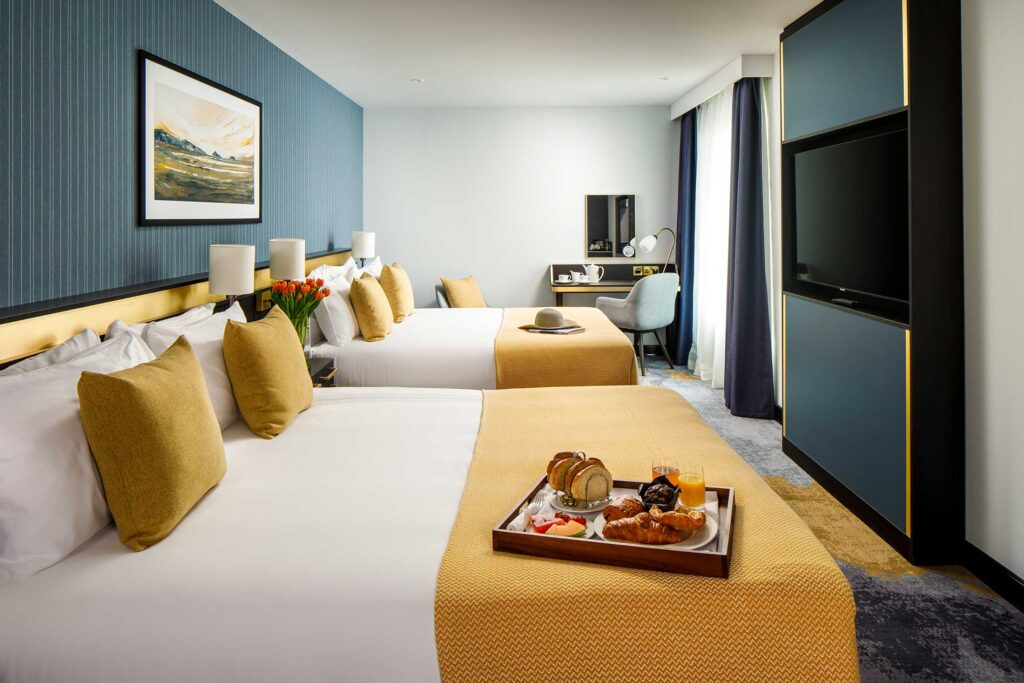
A double room is designed to accommodate two guests with one shared bed, usually a double, queen, or king size, depending on the hotel’s standard. These rooms are among the most common hotel categories, found in both budget and luxury establishments.
Double rooms often feature amenities such as a private bathroom, seating area, work desk, television, and wardrobe. In higher-end hotels, the décor is enhanced with premium bedding, stylish furnishings, and additional features like soundproofing or balconies.
Who Chooses Double Rooms?
Double rooms are favored by couples, close friends, or even solo travelers who prefer extra sleeping space. Business travelers may also choose this category when traveling with a partner or spouse.
The double room’s popularity lies in its versatility; it balances affordability with comfort. From city hotels catering to business professionals to beach resorts welcoming honeymooners, the double room fits a wide range of guest needs.
What is a Twin Room?
Features of a Twin Room
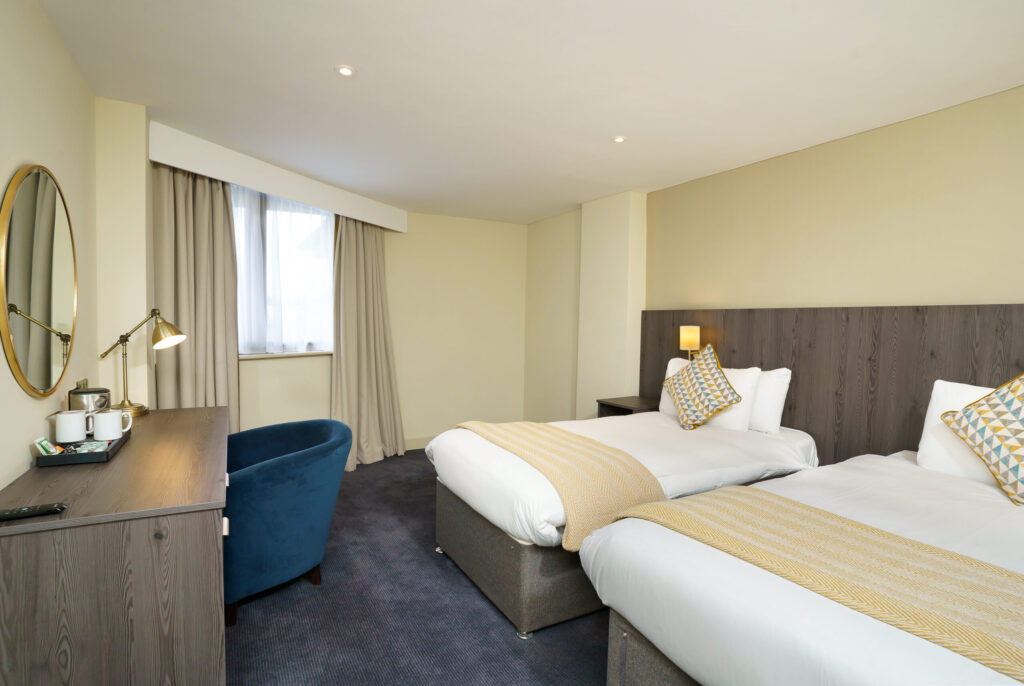
A twin room includes two separate single beds in one space, designed for two guests who want to stay together but prefer individual beds. The beds are usually positioned side by side with a small gap, although some hotels offer flexibility by allowing them to be pushed together.
Amenities in a twin room mirror those of a double room: private bathroom, desk, entertainment systems, and sometimes additional seating. In premium hotels, twin rooms also include upgraded furnishings and amenities, ensuring comfort for guests regardless of sleeping arrangement.
Who Chooses Twin Rooms?
Twin rooms are popular among siblings, friends, or colleagues who share accommodations but prefer personal sleeping space. They are common in business hotels where corporate travelers might share a room during conferences or events.
Families with teenage children also benefit from twin rooms, as they allow parents and children to stay close while maintaining comfort. Resorts often highlight twin rooms as an option for group or multi-generational travel.
Key Differences Between Double and Twin Rooms
Sleeping Arrangement
The most obvious distinction is the bed layout. Double rooms have one shared bed, while twin rooms feature two separate beds. This impacts not only sleeping arrangements but also privacy and overall comfort.
For couples, the intimacy of a double bed is often preferred. Meanwhile, travelers who prioritize personal space lean toward twin rooms. The choice depends on the relationship between guests and the purpose of the trip.
Guest Experience
The experience of staying in a double room versus a twin room can feel different. Double rooms create a sense of shared comfort, ideal for romantic getaways or close companions. Twin rooms provide flexibility, giving each guest their own bed while sharing common amenities.
Hotels often design both categories with similar amenities, but the guest’s perception of comfort is tied to sleeping arrangements. Choosing wisely ensures the stay feels more aligned with expectations.
Real-World Examples of Double and Twin Rooms
Hilton Hotels & Resorts

Hilton properties offer both double and twin rooms across their global locations. Their double rooms are often equipped with premium bedding, smart room controls, and modern bathrooms. Twin rooms in Hilton hotels provide equal comfort, making them suitable for business partners or friends.
This example shows how international brands maintain consistent quality across both room types, ensuring travelers always find the right option for their needs.
Marriott International

Marriott hotels emphasize versatility, offering a wide selection of double and twin rooms. At their city hotels, double rooms cater to couples and solo business travelers seeking comfort. Twin rooms are positioned as ideal for conferences and group travel.
This balance allows Marriott to attract both leisure and business markets, demonstrating how offering both options strengthens a brand’s appeal.
The Ritz-Carlton
At The Ritz-Carlton, double rooms are often designed with luxury touches, including king-sized beds, marble bathrooms, and private balconies. Their twin rooms, while equally luxurious, prioritize functionality with high-end finishes for guests traveling together without sharing a bed.
The Ritz-Carlton illustrates how even luxury brands recognize the importance of offering both room types to meet diverse guest expectations.
Holiday Inn
Holiday Inn focuses on practicality, providing comfortable and affordable double and twin rooms. Their double rooms are tailored for families and couples, while twin rooms are promoted for friends or colleagues traveling on a budget.
This example highlights how mid-range hotels use double and twin rooms as flexible solutions to cater to both family and corporate travel.
Benefits of Offering Double and Twin Rooms
Guest Flexibility
Hotels benefit from offering both double and twin rooms because it allows them to cater to a broader market. Couples, families, friends, and business travelers all find suitable options, improving guest satisfaction.
Flexibility is particularly important in diverse tourist destinations where hotels serve different demographics. A property that only offers one type may limit its appeal, while hotels with both categories can adapt to guest needs seamlessly.
Improved Occupancy Rates
By offering double and twin rooms, hotels maximize their chances of higher occupancy. For example, a group of colleagues may book twin rooms during a business event, while couples may choose doubles during holiday seasons.
This adaptability increases revenue and strengthens customer loyalty, as guests know the hotel can accommodate their preferences in different travel contexts.
Technology and Double vs. Twin Rooms
Technology has revolutionized how hotels manage and present double and twin rooms. Many hotels now feature smart beds with adjustable firmness, digital booking systems that allow guests to select room layout in advance, and automated in-room controls.
For example, Hilton’s Connected Room technology enables guests to adjust lighting, temperature, and entertainment directly from their smartphones. This personalization applies equally to double and twin rooms, ensuring both categories benefit from modern comfort.
Luxury properties also integrate technology by offering digital concierge services, in-room entertainment platforms, and energy-efficient features. These advancements enhance convenience and align room categories with contemporary guest expectations.
Use Cases of Double and Twin Rooms

-
Business Travel: Two colleagues attending a conference may choose a twin room to reduce costs while maintaining individual comfort.
-
Couples’ Getaway: A double room is the natural choice for couples seeking intimacy and shared comfort.
-
Family Vacations: Parents may book a double room while children stay in a nearby twin room, combining convenience with personal space.
-
Group Travel: Friends traveling together often book twin rooms to share expenses without compromising privacy.
-
Luxury Travel: High-end travelers enjoy premium double rooms or luxury twin rooms, depending on their preferences and relationships.
These scenarios show that the choice between double and twin rooms is not simply about bed layout; it’s about matching the room to the purpose of the trip.
Frequently Asked Questions
What is the main difference between a double and a twin room?
A double room has one large bed for two guests to share, while a twin room has two separate single beds for individual use.
Which is better: a double or a twin room?
Neither is inherently better; the choice depends on the traveler’s needs. Couples usually prefer double rooms, while friends, colleagues, or families often choose twin rooms for comfort and privacy.
Can twin beds be joined to make a double bed?
Yes, many hotels offer flexible twin beds that can be pushed together to form a double bed. However, the availability of this option depends on the specific property.