Hotel Types: Complete Guide to Categories, Features, and Real-World Examples
The hospitality industry offers an incredible variety of accommodations, each catering to specific needs, preferences, and budgets. Understanding the different hotel types is essential for travelers and industry professionals alike. From luxurious five-star resorts to budget-friendly inns, every hotel type is designed to provide a unique guest experience.
Choosing the right type of hotel goes beyond price; it influences convenience, comfort, services, and even the overall purpose of a trip. For example, business travelers may seek business hotels with meeting facilities, while leisure travelers might prefer resorts or boutique hotels. By exploring the diverse hotel types available, guests can align their choice with their travel goals, ensuring a memorable and satisfying stay.
Major Categories of Hotel Types
Luxury Hotels
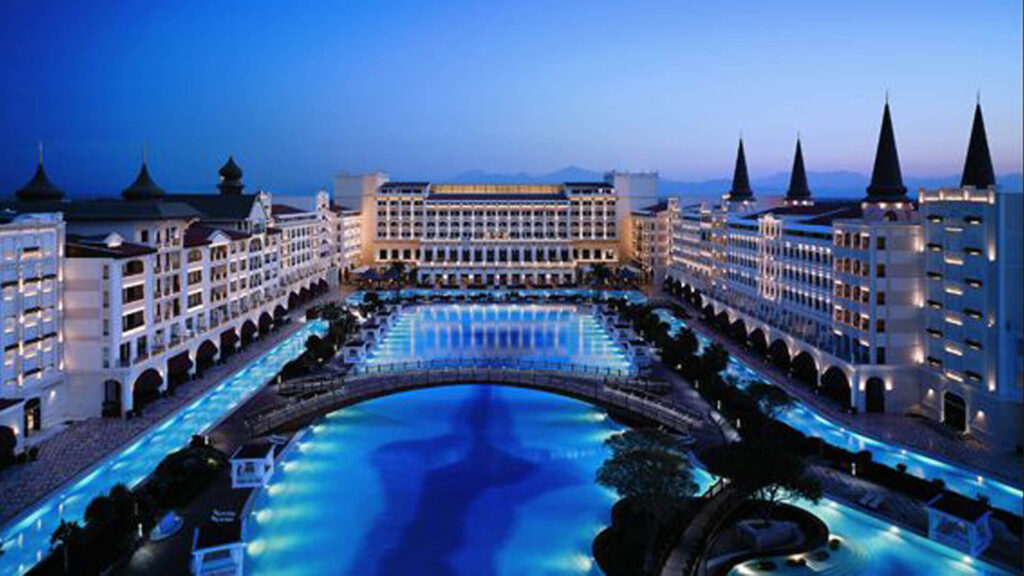
Luxury hotels are designed for travelers seeking the highest level of service, comfort, and exclusivity. These properties typically feature opulent décor, spacious rooms, fine dining, spa services, and personalized concierge assistance.
Guests at luxury hotels expect not just accommodation but experiences such as curated cultural activities, private butlers, or access to exclusive events. These hotels are often located in prime destinations, from metropolitan cities to scenic beachside locations.
Boutique Hotels
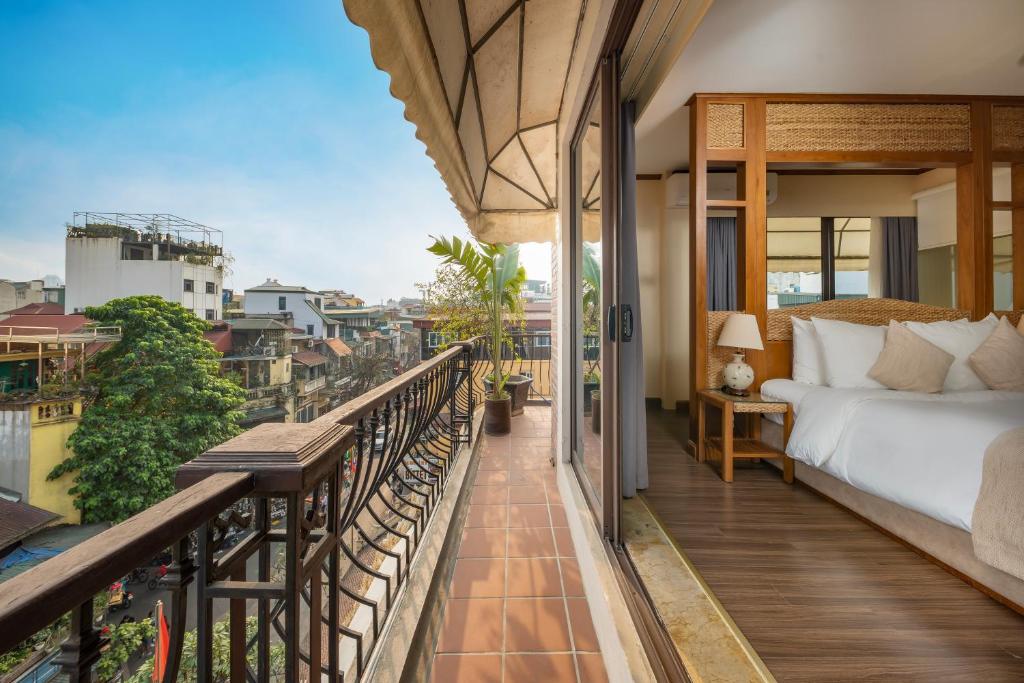
Boutique hotels are smaller, design-focused properties that emphasize individuality and character. Unlike large chain hotels, boutique hotels often reflect local culture, art, or history in their design and guest experience.
They are popular among travelers seeking a personalized and intimate environment. Service is highly attentive, and rooms often feature unique décor, distinguishing boutique hotels as destinations in themselves rather than simply places to stay.
Budget Hotels
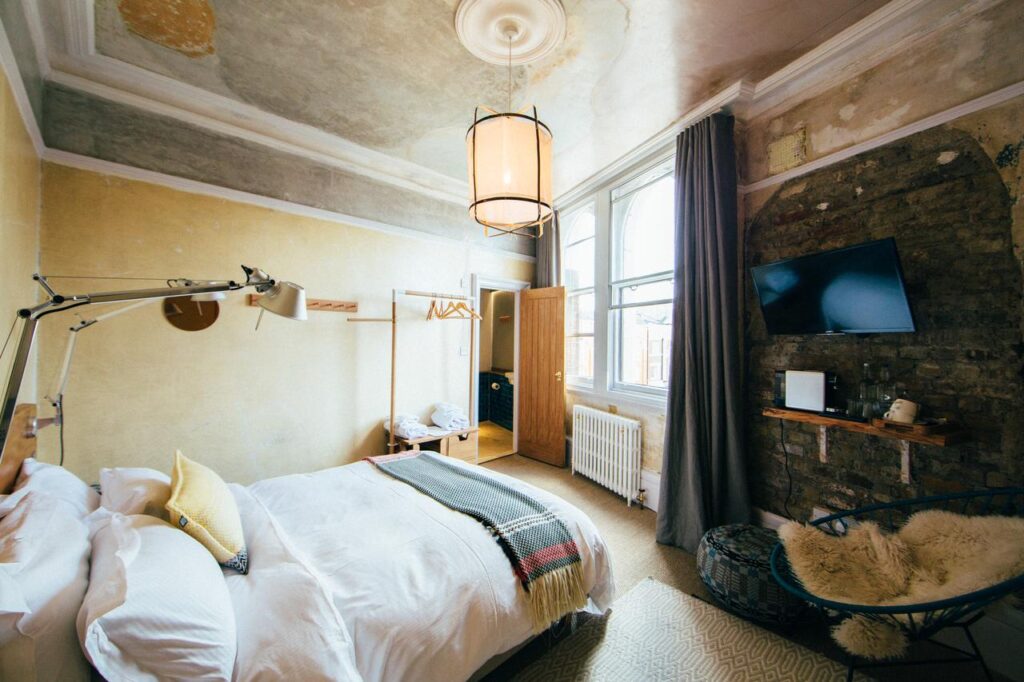
Budget hotels are designed for affordability and practicality. They provide essential services such as clean rooms, private bathrooms, and basic amenities without luxury extras.
These hotels are perfect for cost-conscious travelers, backpackers, or short-term stays. While they lack premium features, budget hotels excel in accessibility and convenience, especially near transport hubs and city centers.
Business Hotels
Business hotels cater primarily to corporate travelers. They are usually located in financial districts or near airports, offering amenities such as meeting rooms, conference facilities, high-speed internet, and efficient check-in and check-out services.
These hotels focus on functionality and convenience. Many also include gyms, restaurants, and executive lounges, providing a balance between work and relaxation during a business trip.
Resort Hotels
Resort hotels are full-service destinations that combine accommodation with leisure, recreation, and entertainment. They often include swimming pools, spas, golf courses, kids’ clubs, and direct access to beaches or ski slopes.
Guests choose resorts for relaxation and experiences rather than just lodging. Resorts are especially popular among families and couples seeking all-inclusive vacation packages.
Specialized Hotel Types
Boutique Luxury Resorts
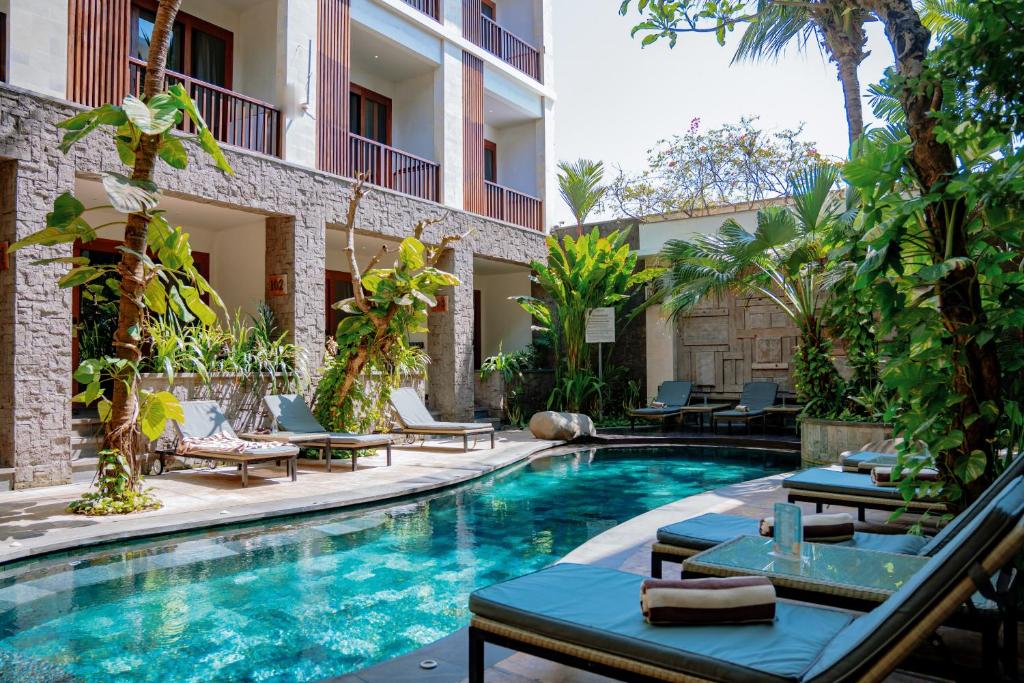
Combining the intimacy of a boutique hotel with the amenities of a luxury resort, boutique resorts focus on delivering a high-end, immersive experience. They often highlight wellness, nature, or cultural themes.
These hotels attract travelers seeking privacy with access to world-class facilities, making them popular for honeymoons or wellness retreats.
Eco-Hotels
Eco-hotels prioritize sustainability and environmental responsibility. They use energy-efficient systems, eco-friendly building materials, and often source food locally.
Travelers increasingly choose eco-hotels to align their travel with sustainable values, reducing their carbon footprint while still enjoying comfort and hospitality.
Capsule Hotels
Capsule hotels, popular in Japan and now expanding worldwide, offer compact sleeping pods instead of traditional rooms. These accommodations are highly efficient, budget-friendly, and suitable for short stays.
Capsule hotels are especially popular among solo travelers and those seeking quick, affordable overnight stays without sacrificing privacy.
Extended Stay Hotels
Extended stay hotels cater to guests who need accommodations for longer periods, from several weeks to months. These hotels provide kitchen facilities, laundry services, and larger living areas.
They are ideal for relocating professionals, long-term business assignments, or families needing temporary housing. The home-like setup offers comfort while still providing hotel-level services.
Real-World Examples of Hotel Types
The Ritz-Carlton (Luxury Hotel)
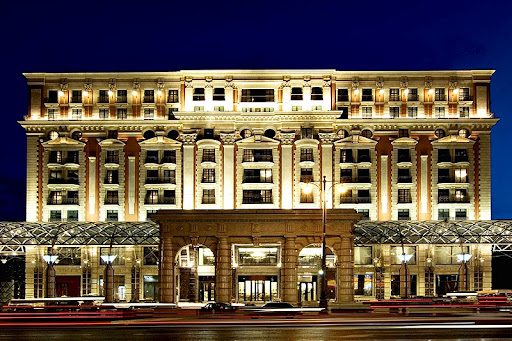
The Ritz-Carlton is one of the most iconic luxury hotel brands in the world. Known for its impeccable service, elegant design, and world-class amenities, it exemplifies what guests expect from luxury hotels.
Staying at The Ritz-Carlton means more than comfort; it means an immersive, prestigious experience, from fine dining to personalized concierge services.
CitizenM (Business Hotel)
CitizenM has revolutionized business hotels with a blend of affordability, efficiency, and technology. Their compact yet stylish rooms focus on comfort, while shared spaces offer co-working facilities.
The brand appeals to modern business travelers who prioritize functionality, smart technology, and convenience over traditional luxury.
Ace Hotel (Boutique Hotel)
Ace Hotel represents the boutique hotel category with creativity and character. Each property reflects local art and culture, attracting guests who value individuality and authenticity.
Boutique hotels like Ace provide travelers with a sense of community and cultural immersion, distinguishing them from generic chain properties.
Club Med (Resort Hotel)
Club Med pioneered the concept of all-inclusive resort hotels. With global locations, they provide everything from dining and lodging to entertainment and sports in one package.
Guests at Club Med resorts enjoy stress-free vacations, making it a prime example of how resort hotels combine relaxation and activity for families and couples.
Hoshinoya (Eco-Hotel)
Hoshinoya in Japan is a luxury eco-hotel brand that incorporates sustainability with high-end design. Built with local materials and powered by renewable energy, it emphasizes harmony with the environment.
Eco-hotels like Hoshinoya show how sustainability can coexist with luxury, catering to travelers who value both comfort and environmental consciousness.
Benefits of Understanding Different Hotel Types
Understanding hotel types benefits both travelers and hoteliers. For travelers, it ensures they select accommodations aligned with their needs, whether affordability, luxury, or sustainability. For hoteliers, categorizing their offerings effectively helps target the right customer segments.
This knowledge also reduces booking mistakes and improves satisfaction. A business traveler who mistakenly books a resort hotel may miss work-focused amenities, while a family booking a budget hotel may find limited recreational activities. Recognizing distinctions ensures expectations align with reality.
Technology’s Role in Hotel Types
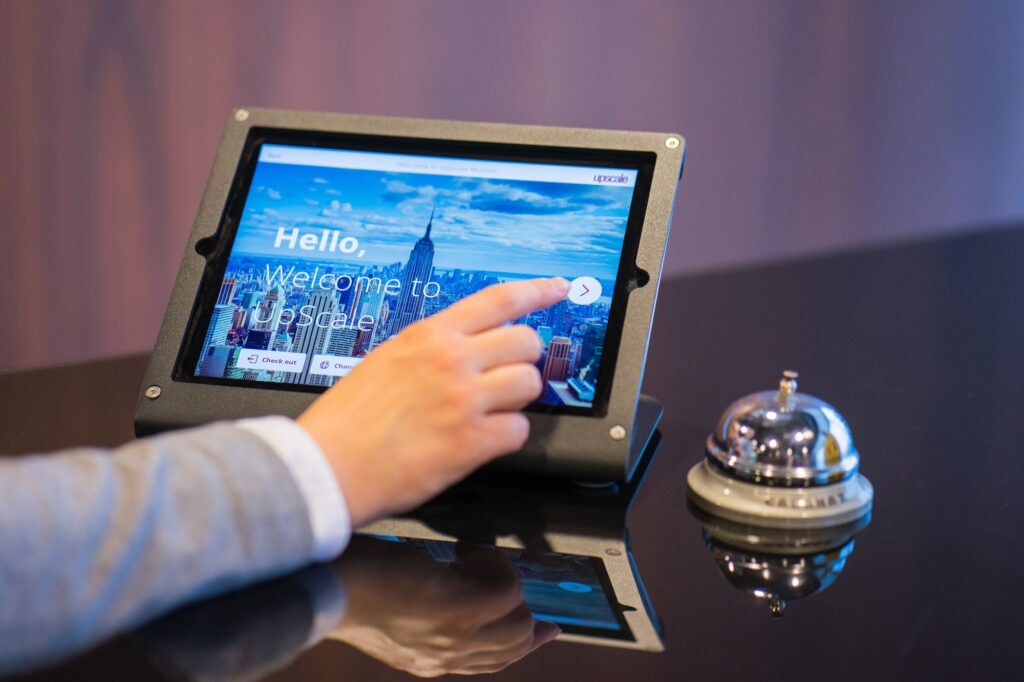
Technology is redefining how hotel types serve their guests. Luxury hotels integrate digital concierge services and smart-room features such as voice-controlled lighting. Business hotels emphasize high-speed internet, digital meeting rooms, and seamless check-ins.
Budget hotels benefit from automation, reducing staffing costs while providing essential services efficiently. Eco-hotels use technology for energy-saving systems and waste reduction. Even capsule hotels leverage advanced design and ventilation to enhance comfort in small spaces.
Technology not only improves guest experience but also optimizes operations, ensuring each hotel type can deliver on its unique promise effectively.
Use Cases of Hotel Types
-
Business Conferences: Business hotels provide meeting facilities and connectivity for professionals attending global events.
-
Family Vacations: Resorts and boutique resorts offer children’s programs, family rooms, and recreational activities.
-
Romantic Escapes: Luxury and boutique hotels create intimate environments for couples celebrating honeymoons or anniversaries.
-
Budget Travel: Budget and capsule hotels allow affordable stays, ideal for students, backpackers, or quick city visits.
-
Sustainable Travel: Eco-hotels appeal to environmentally conscious travelers seeking guilt-free luxury.
-
Long-Term Relocation: Extended stay hotels provide comfort for weeks or months, ensuring flexibility during life transitions.
Each case highlights how different hotel types solve real-world travel needs, making the hospitality industry adaptable to diverse markets.
Frequently Asked Questions
What is the difference between luxury hotels and boutique hotels?
Luxury hotels focus on opulence, scale, and world-class service, while boutique hotels emphasize individuality, design, and personalized guest experiences.
Which hotel type is best for business travel?
Business hotels are designed specifically for corporate travelers, offering meeting facilities, fast internet, and convenient locations near business hubs or airports.
Why do hotel types matter when planning a trip?
Different hotel types offer distinct experiences. Choosing the right type ensures comfort, satisfaction, and alignment with travel goals, whether that’s affordability, luxury, sustainability, or extended stays.