Different Hotel Room Types: Complete Guide to Choosing the Right Accommodation
Booking a hotel is more than just securing a place to sleep; it’s about choosing the right kind of room to match your needs, comfort level, and travel purpose. With so many options available, from basic standard rooms to opulent suites, understanding different hotel room types helps travelers make informed decisions.
This guide explores the main hotel room categories, explaining their features, benefits, and practical uses. We’ll also look at real-world examples of hotel rooms across different brands, discuss the advantages of modern technology in enhancing the guest experience, and highlight practical scenarios where choosing the right type of room makes all the difference.
Why Knowing Different Hotel Room Types Matters
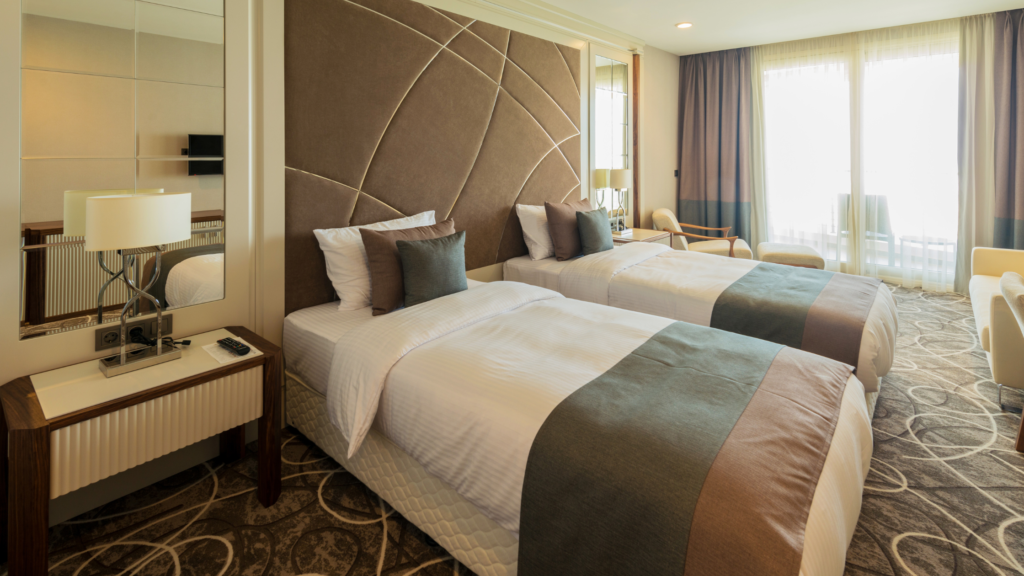
Travelers often underestimate the importance of room selection. The wrong choice can lead to cramped spaces for families, inadequate amenities for business travelers, or unnecessary expenses for budget-conscious guests. On the other hand, the right choice enhances comfort, productivity, and overall satisfaction.
By understanding the differences among hotel room types, travelers can align their expectations and budgets with their actual needs. This knowledge allows for a smoother booking process and a much better overall travel experience.
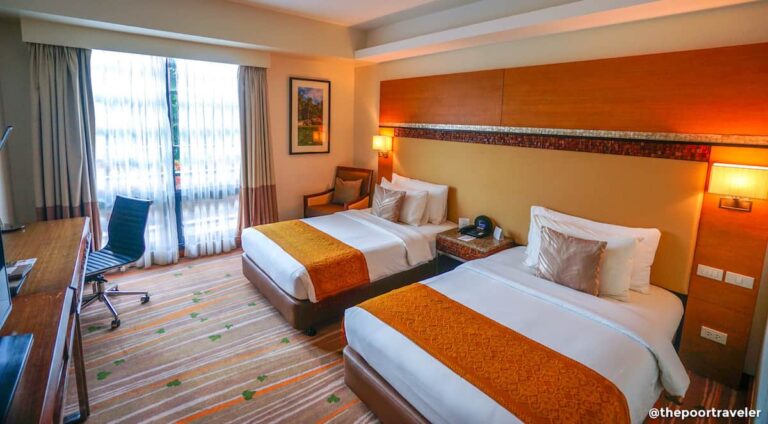
Standard Hotel Room Interior
The standard room is the most basic yet widely available hotel category. Typically equipped with one or two beds, a private bathroom, a television, and essential furnishings, it provides guests with the fundamental comforts required for a short stay.
Standard rooms are ideal for solo travelers, couples, or business professionals who need an affordable and reliable option. While they don’t usually offer luxury amenities, they ensure practicality, making them a popular choice for quick getaways or work-related trips.
Deluxe Room with Elegant Furnishings
Deluxe rooms are an upgrade from standard rooms, offering more space, higher-quality furnishings, and enhanced amenities. They may include premium bedding, larger bathrooms, improved views, or additional seating areas.
This type of room appeals to leisure travelers and professionals who value a touch of luxury without moving into the high cost of suites. It provides more comfort and style, often making the overall hotel experience feel more refined and enjoyable.
Family Room
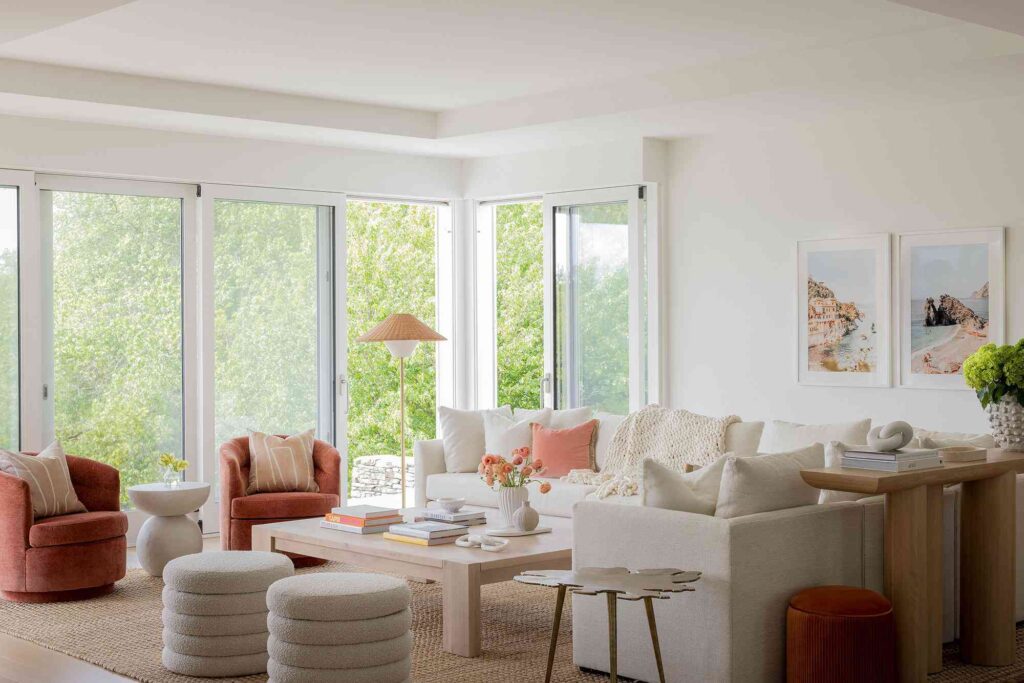
Family rooms are designed for groups traveling together, offering larger spaces and multiple beds. Many family rooms include sofa beds, bunk beds, or connecting spaces to ensure both togetherness and privacy.
This room type is highly practical for parents with children, as it reduces the need for booking multiple rooms while still offering comfort. With extra storage and often kid-friendly amenities, family rooms ensure smoother and more enjoyable group stays.
Executive or Business Room
Executive or business rooms cater to professionals who need a productive yet relaxing environment. They often include ergonomic work desks, high-speed internet, enhanced lighting, and access to executive lounges with business services.
This category is popular with corporate travelers who need to conduct meetings, work remotely, or simply want an efficient balance between productivity and comfort during their stay.
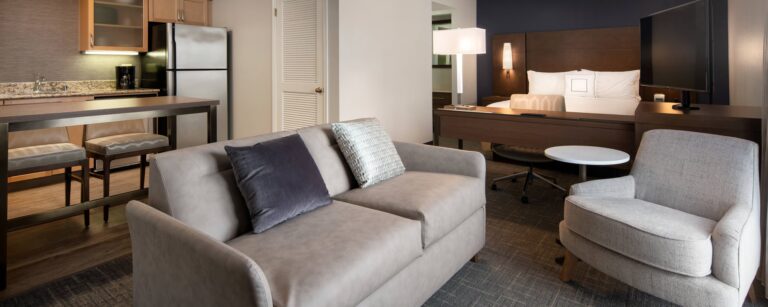
Luxury Hotel Suite with Living Area
Suites are among the most popular premium room types, featuring separate living and sleeping areas, luxurious bathrooms, and sometimes kitchenettes or dining spaces. Suites often include elegant décor, larger layouts, and upgraded technology.
They are ideal for long-term travelers, families who want more space, or couples looking for a romantic getaway. Suites provide a home-like environment within a hotel, combining luxury with practicality.
Penthouse and Specialty Rooms
At the highest tier are penthouse and specialty rooms, which deliver exclusive experiences. These may include private terraces, panoramic views, luxury dining areas, spa-like bathrooms, or even personalized services such as private butlers.
These rooms are often reserved for VIP guests, celebrities, or travelers celebrating milestones. They represent the pinnacle of hotel luxury, offering unmatched exclusivity and comfort.
Real-World Examples of Different Hotel Room Types
Marriott Standard Room
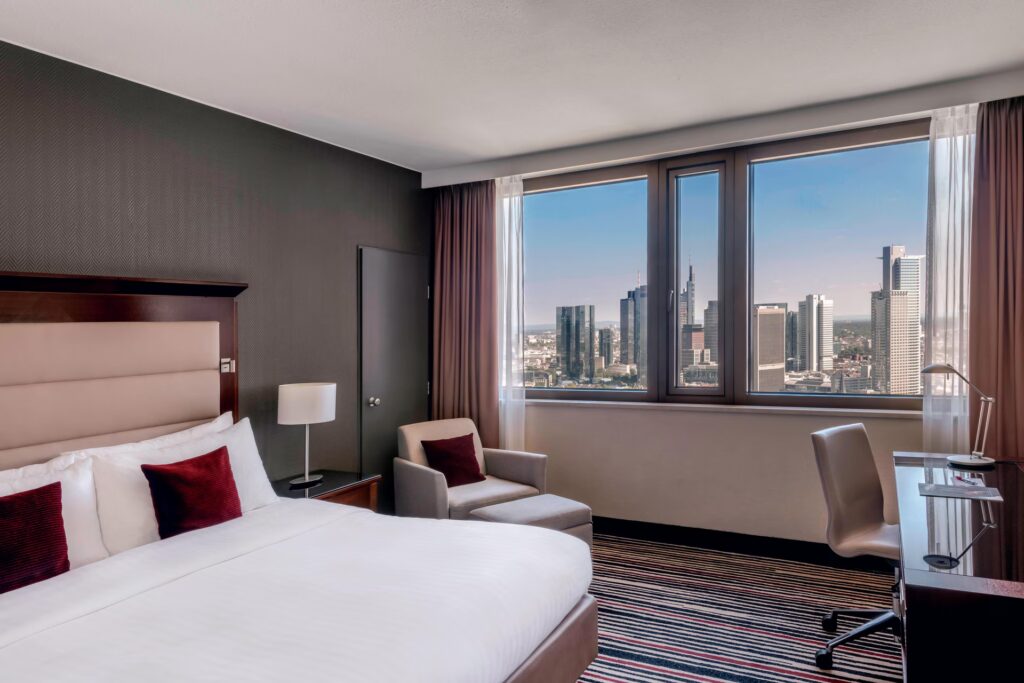
At Marriott hotels, standard rooms typically feature plush bedding, modern bathrooms, and reliable Wi-Fi. These rooms are perfect for business travelers attending short meetings or solo tourists on quick visits.
This example shows how the standard category can deliver consistent quality across locations, ensuring guests know what to expect.
Hilton Deluxe Room
Hilton’s deluxe rooms are designed with upgraded décor, spacious layouts, and improved amenities. Some even offer premium city or ocean views, making them appealing for leisure travelers.
This demonstrates how deluxe rooms provide a step up in comfort, striking a balance between affordability and style.
Ritz-Carlton Hotel Suite
The Ritz-Carlton’s suites often include elegant living areas, separate bedrooms, and marble bathrooms. Guests also enjoy access to premium services, such as butlers or private dining.
This example highlights how suites offer more than space; they deliver an immersive luxury experience tailored to high-end travelers.
InterContinental Executive Club Room
InterContinental’s executive rooms offer guests access to exclusive club lounges, private check-in, and complimentary meals. These rooms are designed with productivity and networking in mind.
This real-world use case shows how executive rooms benefit corporate travelers who want both comfort and convenience.
Four Seasons Presidential Suite
Four Seasons hotels feature presidential suites with expansive living and dining areas, private terraces, and high-end services such as personal chefs or wellness treatments.
This example illustrates how specialty rooms provide bespoke luxury experiences unmatched by other categories.
Benefits of Understanding Different Hotel Room Types
Knowing the different categories of hotel rooms allows travelers to maximize value by choosing the option best suited to their needs. Business professionals save money and time by selecting executive rooms, while families avoid the hassle of booking multiple standard rooms by opting for family accommodations.
Another major benefit is setting realistic expectations. Understanding categories prevents disappointment and ensures that guests know exactly what level of comfort and amenities to anticipate. For hotels, clear categorization improves customer satisfaction and allows for efficient pricing strategies.
Benefits of Technology in Different Hotel Room Types
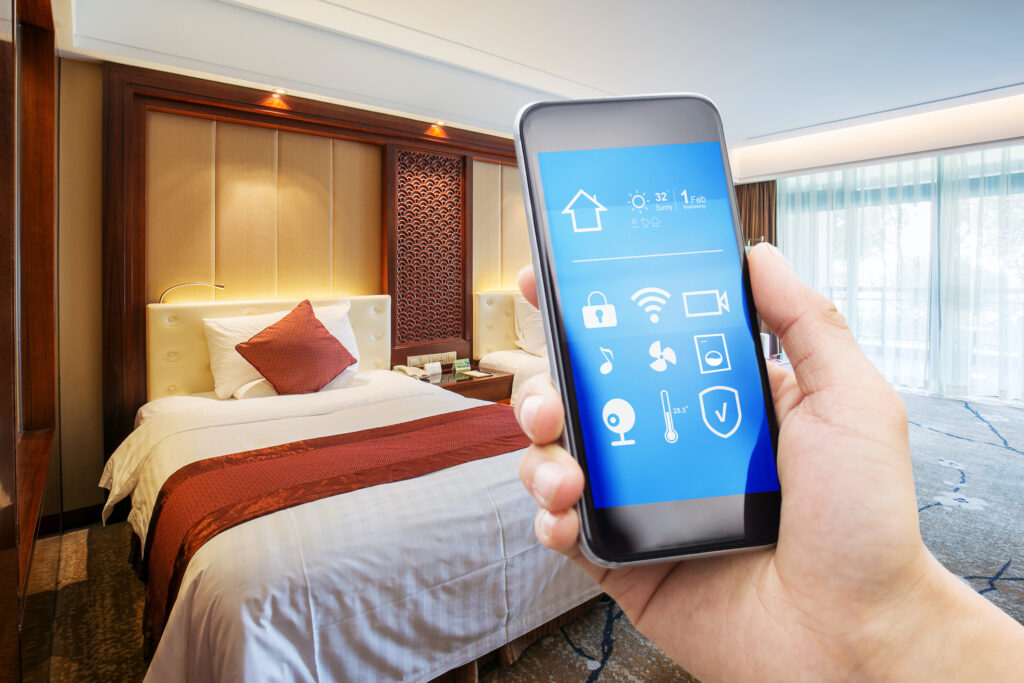
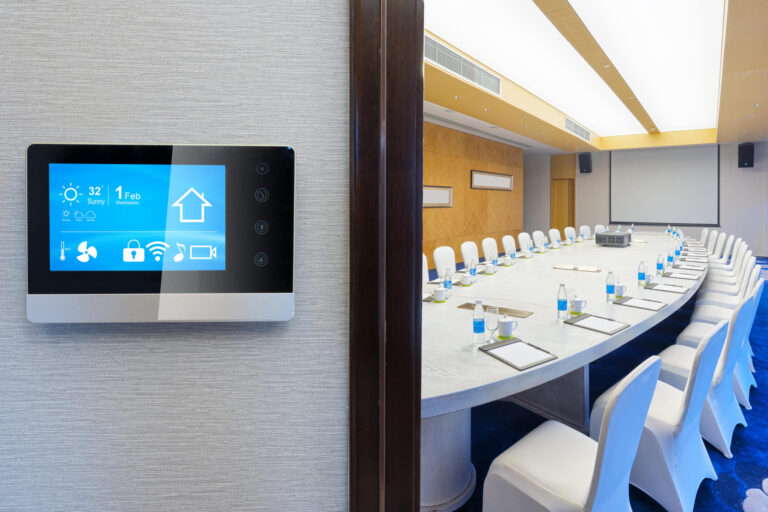
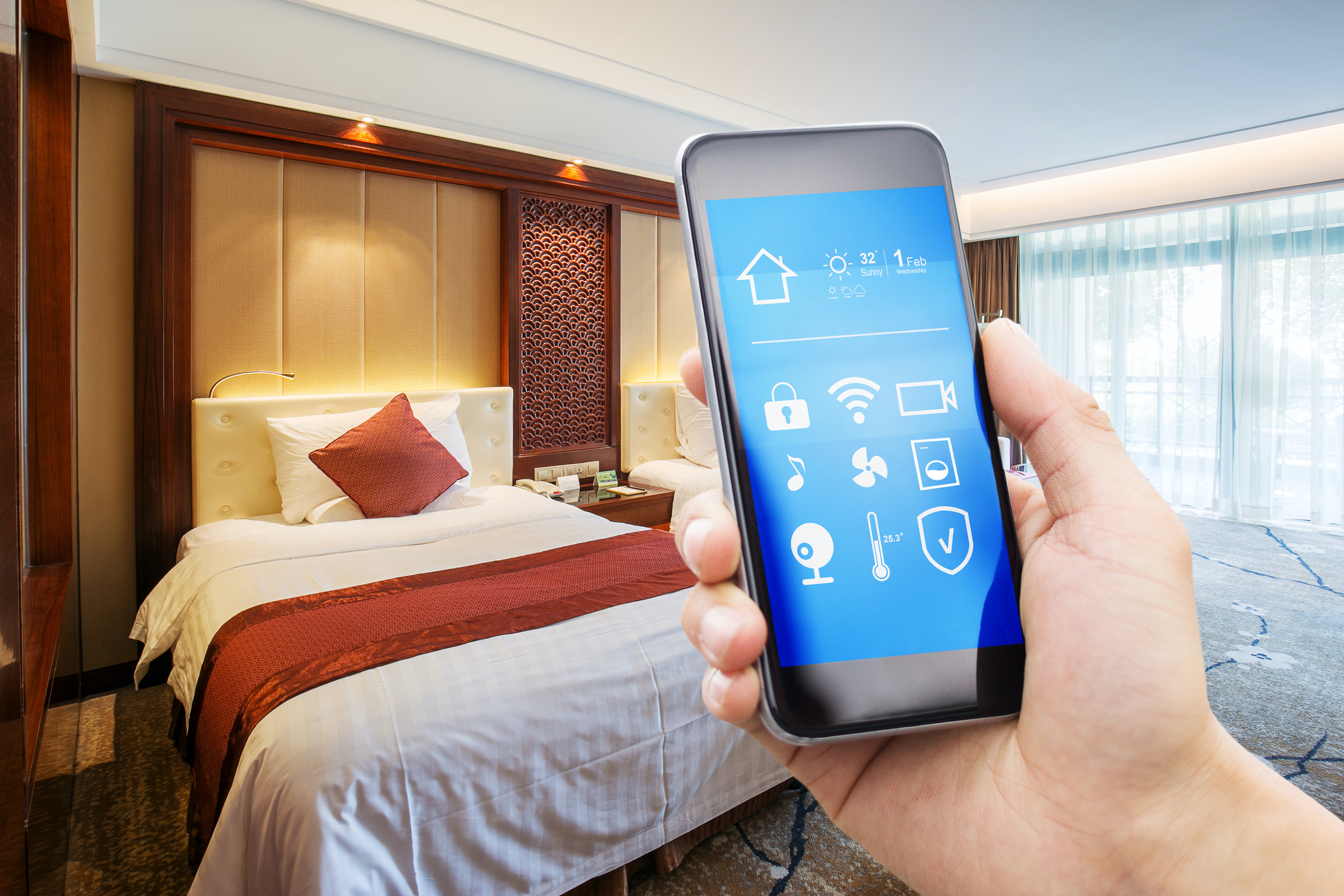
Modern technology has revolutionized hotel room experiences across all categories. Smart controls allow guests to adjust lighting, temperature, and entertainment through mobile apps or voice assistants. High-speed internet ensures productivity in executive rooms, while streaming services make suites and family rooms more enjoyable.
Luxury suites and specialty rooms often feature cutting-edge technology such as smart mirrors, personalized entertainment systems, and touchless services. These advancements provide convenience, efficiency, and enhanced comfort across all room types.
Practical Use Cases for Different Hotel Room Types
-
Business Trips: Executive rooms provide workspaces, business lounge access, and technology for productivity.
-
Family Vacations: Family rooms or suites keep groups together comfortably and cost-effectively.
-
Romantic Escapes: Suites with luxurious amenities provide privacy and indulgence for couples.
-
Budget Travel: Standard rooms meet essential needs without unnecessary expenses.
-
Luxury Travel: Penthouse suites and specialty rooms deliver once-in-a-lifetime experiences with exclusive services.
Frequently Asked Questions
1. What is the most common hotel room type?
The standard room is the most common type, offering basic amenities such as beds, bathrooms, and televisions at an affordable price.
2. What makes a suite different from a deluxe room?
A deluxe room is typically a larger, upgraded version of a standard room, while a suite usually includes separate living and sleeping areas along with premium amenities.
3. Are family rooms available in all hotels?
Not all hotels offer family rooms, but many resorts and urban hotels provide them to accommodate larger groups and families traveling together.