Hotel Bedroom Types: A Complete Guide to Room Categories and Features
When booking a stay, one of the most important decisions travelers face is choosing the right bedroom type. Hotels around the world classify rooms in various ways, ranging from standard single rooms to luxurious presidential suites. Each type is designed with different guests in mind, whether solo travelers, couples, families, or business professionals.
Hotel bedroom types are not only about bed size but also about the amenities, layout, décor, and services included. Understanding these categories helps guests make informed decisions that enhance comfort, value, and convenience during their stay. By exploring the most common and unique hotel bedroom types, travelers can better align their choice with personal preferences, travel goals, and budgets.
Standard Room Types in Hotels
Single Room
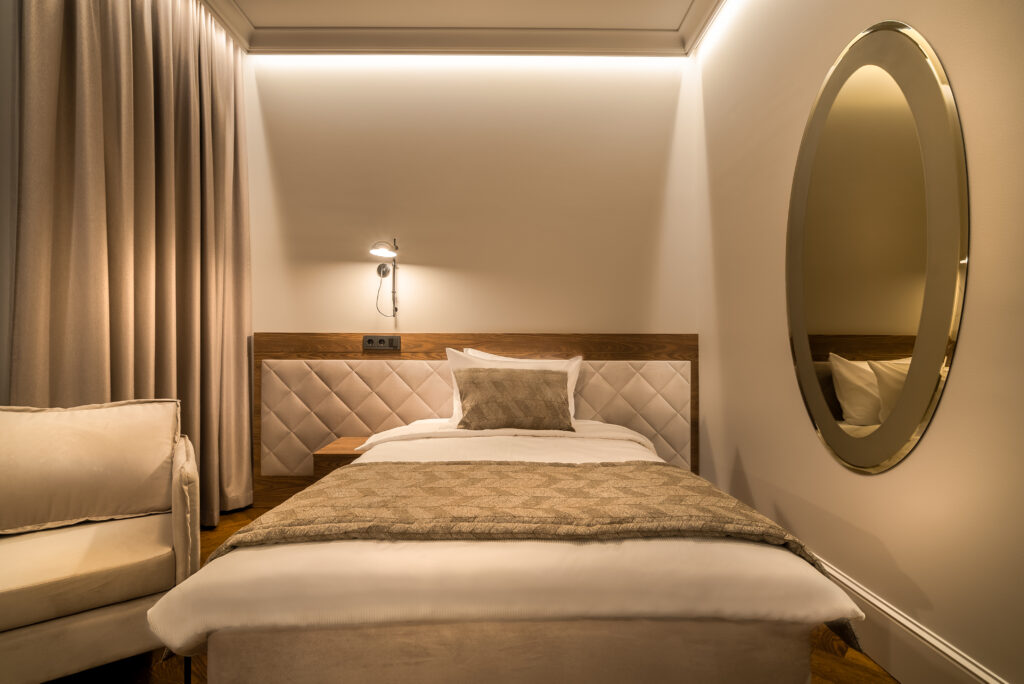
A single room is typically designed for one guest and usually comes with a single bed. While compact in size, these rooms are functional and ideal for solo travelers, business visitors, or budget-conscious guests who prioritize practicality over luxury.
Single rooms often include essential amenities such as a desk, television, and private bathroom. In cities where space is a premium, single rooms are especially common and are a popular choice for guests seeking affordability without sacrificing comfort.
Double Room
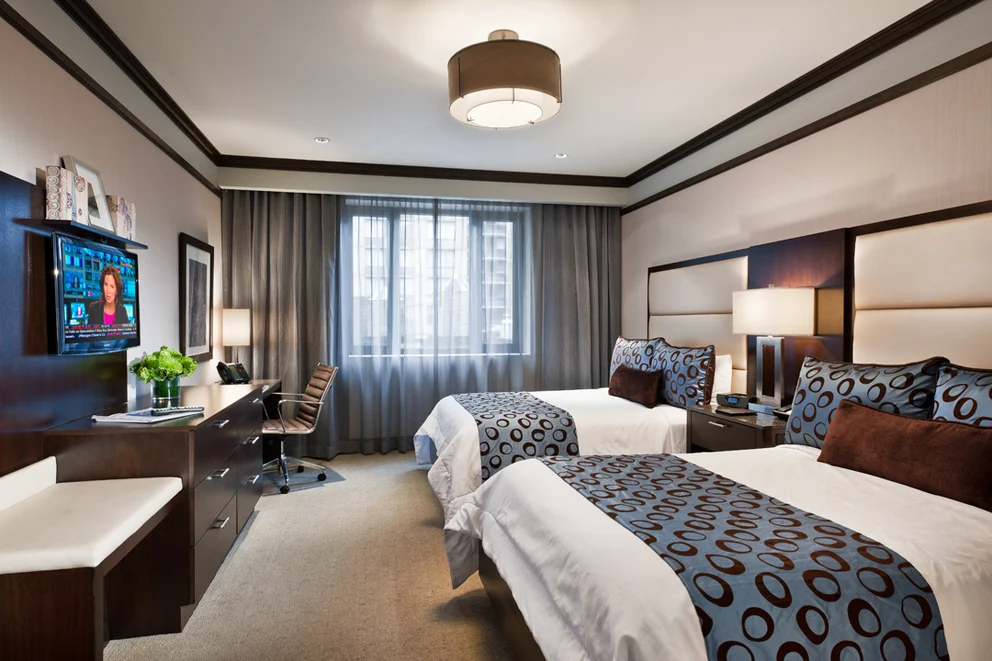
A double room accommodates two guests, generally with one double bed or a queen-sized bed. This type of room is among the most popular categories worldwide and is well-suited for couples or friends traveling together.
In many hotels, double rooms offer more space compared to singles and may include additional features such as a seating area or small work desk. While budget hotels may keep them simple, mid-range and luxury properties often enhance double rooms with modern décor, upgraded bathrooms, and premium bedding.
Twin Room
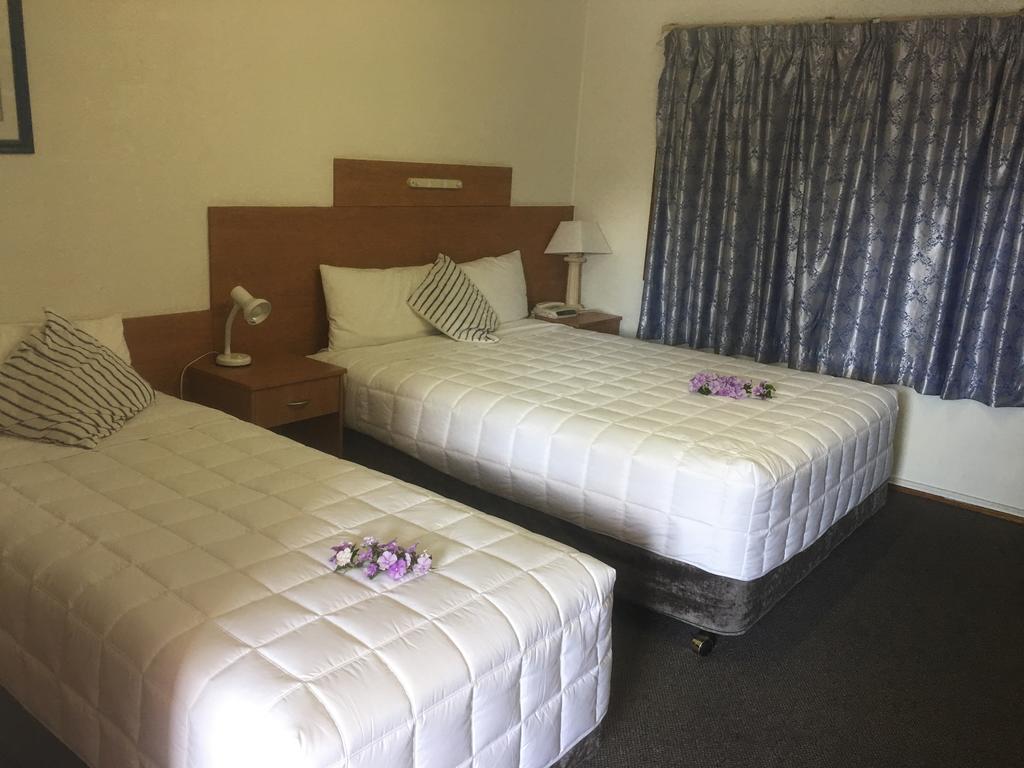
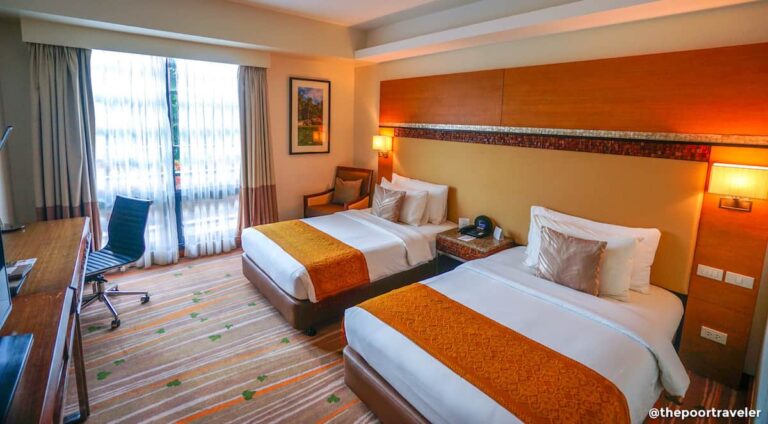
Twin rooms are designed with two separate single beds. They are particularly practical for business travelers, siblings, or friends who wish to share a room but prefer separate sleeping arrangements.
Many hotels allow flexibility by offering convertible twin beds that can be joined together, providing more convenience depending on guests’ needs. Twin rooms are common in both leisure and business hotels, reflecting their versatility and practicality.
Family Room

Family rooms are larger spaces intended to accommodate parents traveling with children. They may include one double bed for adults and additional beds or sofa beds for children. Some hotels even design these rooms with playful décor, entertainment options, or interconnecting spaces for added convenience.
For families, the primary benefit of these rooms is being able to stay together while still enjoying comfort and adequate space. Hotels near tourist attractions or resorts often make family rooms a priority to cater to their guests.
Premium and Luxury Hotel Bedroom Types
Suite
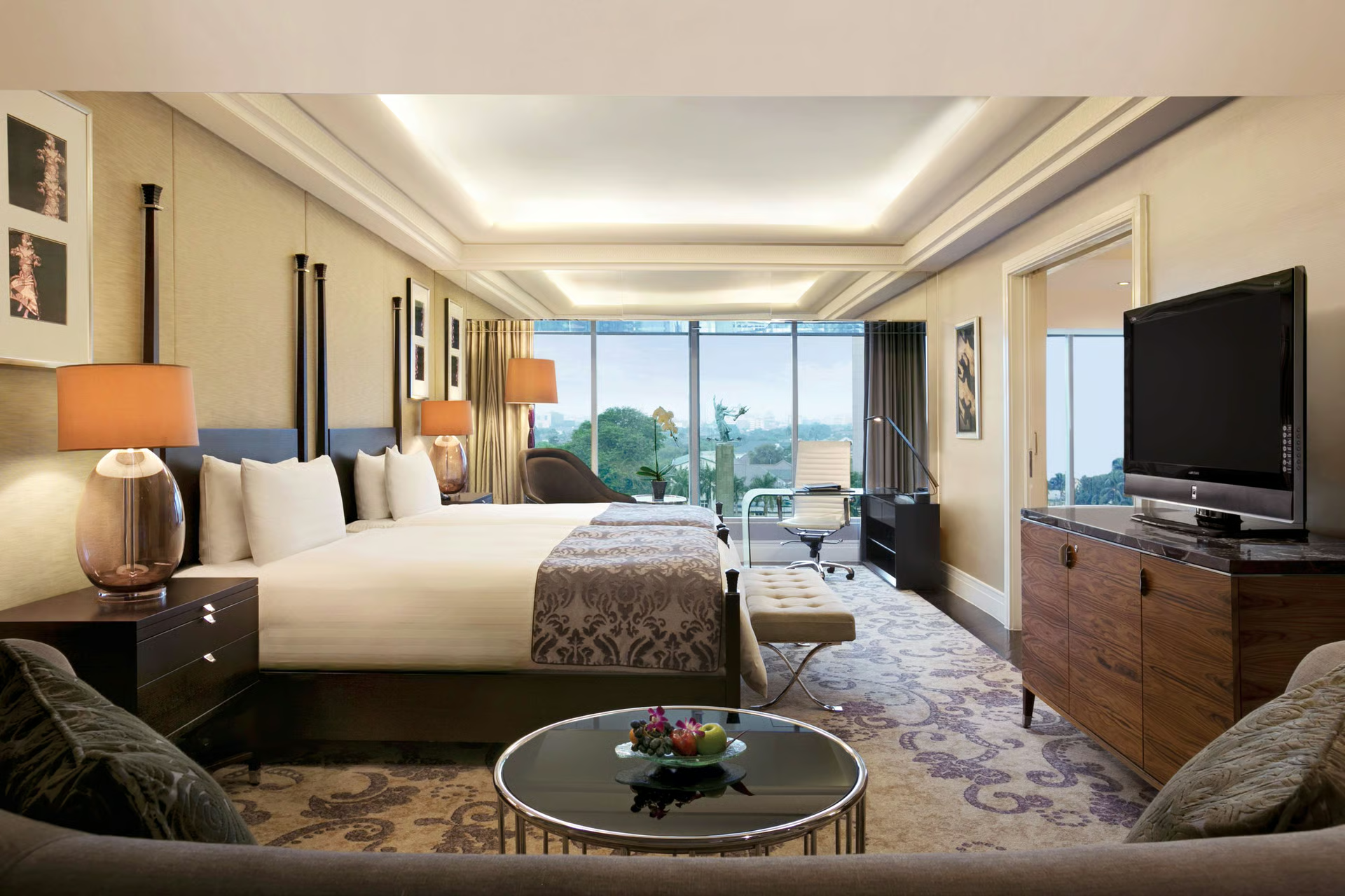
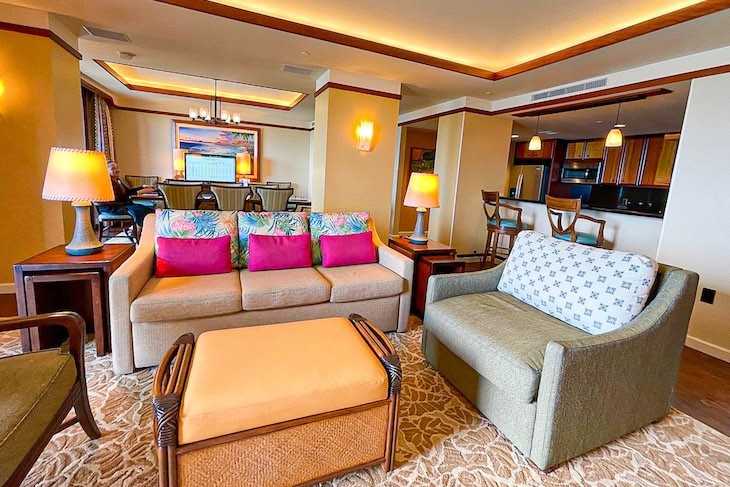
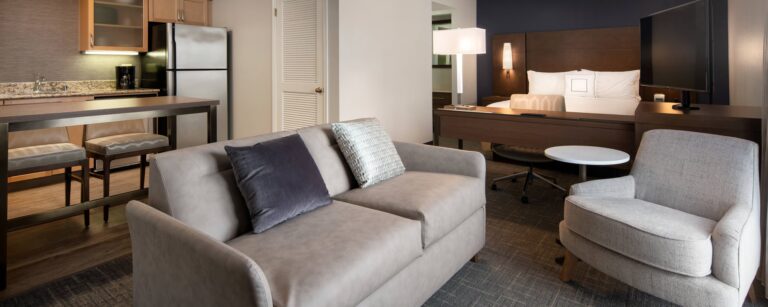
Suites represent an upgraded class of hotel bedroom type, typically featuring separate living and sleeping areas. Guests who book suites often enjoy more space, privacy, and enhanced amenities such as larger bathrooms, dining areas, or even kitchenettes.
Suites are popular among business travelers who may host meetings in-room, as well as leisure travelers seeking extra comfort. The price difference is significant compared to standard rooms, but the added luxury and convenience often justify the investment.
Junior Suite
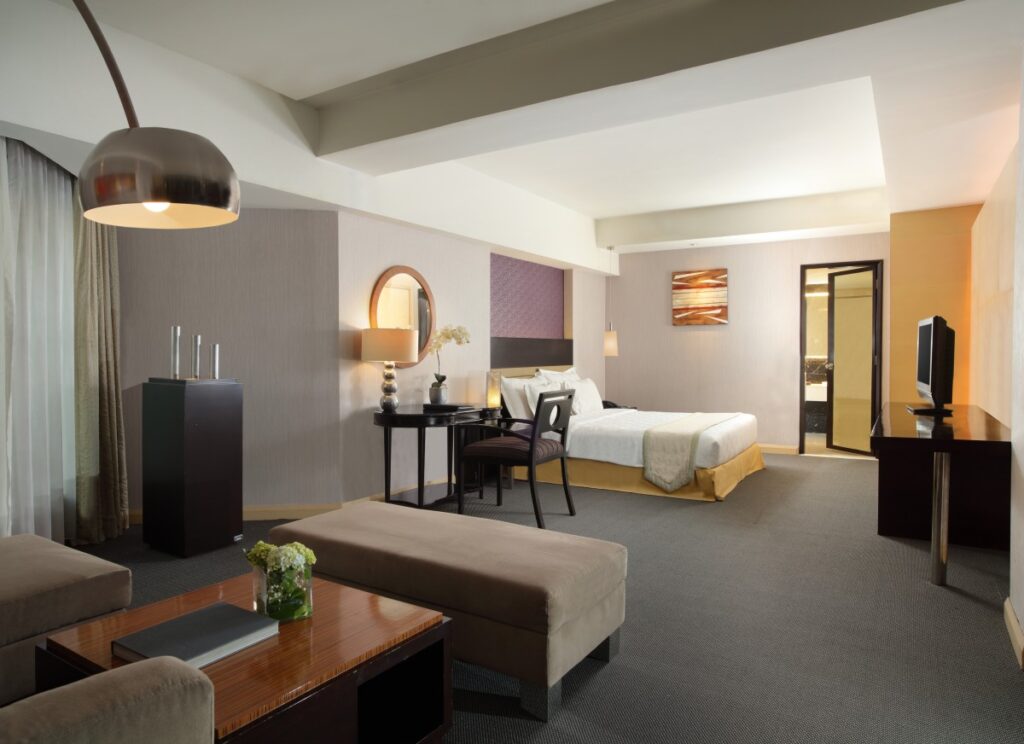
A junior suite is a smaller version of a full suite, offering a semi-separated seating or living area within the bedroom. This option is perfect for travelers who desire more space than a standard room but don’t need the full size of a premium suite.
Junior suites strike a balance between luxury and practicality. They are especially popular in boutique hotels where design and comfort take center stage without overwhelming the guest with too much space.
Presidential Suite
The presidential suite is the pinnacle of luxury in most hotels. These suites are expansive, often featuring multiple bedrooms, lavish living rooms, dining areas, and even private offices. Guests can expect exclusive amenities such as personalized concierge services, private balconies, or even in-room spas.
Reserved for VIPs, celebrities, and dignitaries, presidential suites not only showcase opulence but also highlight the brand image of the hotel. They are less about necessity and more about creating a once-in-a-lifetime experience.
Specialty Hotel Bedroom Types
Accessible Room
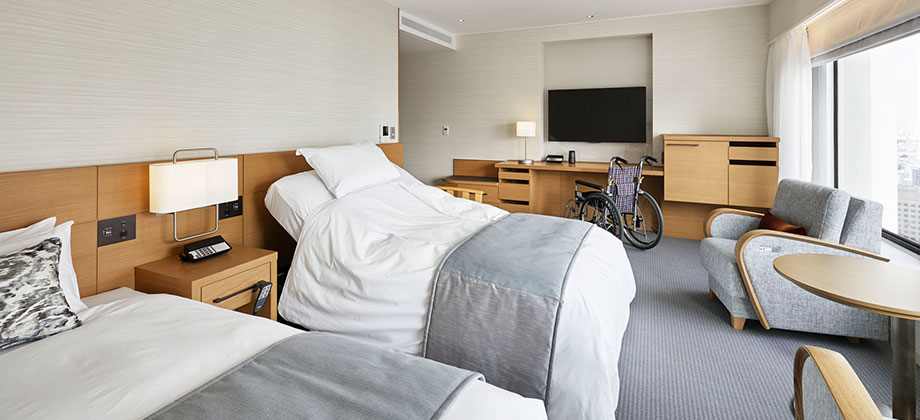
Accessible rooms are designed with inclusivity in mind, providing features that make them usable for guests with mobility challenges. These rooms typically include wider doorways, roll-in showers, grab bars, and lowered fixtures to ensure comfort and independence.
Accessibility is not just a feature but a necessity. By offering well-designed, accessible rooms, hotels ensure that every guest can enjoy their stay without barriers, reflecting a commitment to universal hospitality.
Connecting Room
Connecting rooms consist of two or more rooms linked by an internal door. They are ideal for families, groups of friends, or business teams who want to stay close while still maintaining individual privacy.
This setup is particularly valuable for parents traveling with teenagers or young adults, as it provides freedom while ensuring safety and proximity. Hotels that cater to group travelers frequently offer this option to enhance convenience.
Boutique and Themed Rooms
Some hotels go beyond traditional categories and design boutique or themed rooms. These spaces may be inspired by art, history, culture, or specific experiences, offering guests something truly memorable.
For example, a hotel near a film district might design cinema-inspired rooms, while a coastal property may create nautical-themed bedrooms. Boutique rooms are less about function and more about storytelling, providing guests with a unique and immersive environment.
Real-World Examples of Hotel Bedroom Types

Marriott International
Marriott offers a wide spectrum of room types, from standard doubles to expansive presidential suites. Their accessible rooms are known for thoughtful design, and their premium suites often cater to business professionals with meeting-ready living spaces.
This brand demonstrates how flexibility in room types caters to a broad market, ensuring guests can find a category that matches their travel purpose.
Hilton Hotels & Resorts
Hilton properties emphasize family rooms and connecting room options, particularly in resort destinations. Their suites often feature modern technology integrations, enhancing the guest experience with smart controls for lighting, entertainment, and temperature.
Hilton showcases how technology and design can merge to provide comfort across different bedroom categories.
The Ritz-Carlton
The Ritz-Carlton is globally recognized for luxury, particularly in its presidential and specialty suites. With extravagant amenities such as personal butlers, private terraces, and exclusive club-level access, the brand sets a high standard in luxury hospitality.
This illustrates how certain hotel bedroom types symbolize prestige and exclusivity, shaping brand identity as much as guest experience.
Benefits of Understanding Hotel Bedroom Types
Choosing the right hotel bedroom type has practical and emotional benefits for travelers. A well-matched room ensures comfort, convenience, and satisfaction, which directly affects the overall travel experience. Families benefit from space and safety in family rooms, business travelers value functionality in suites, and solo guests appreciate affordability in single rooms.
From the hotel’s perspective, offering diverse bedroom types is a way to attract different customer segments, increase occupancy, and build loyalty. Understanding these distinctions helps guests not only find the best fit but also feel more confident and satisfied with their booking decisions.
Use Cases of Hotel Bedroom Types
-
Business Travel: Executives may choose suites for conducting in-room meetings, saving time and ensuring privacy.
-
Family Vacations: Parents prefer family rooms or connecting rooms to balance safety, space, and affordability.
-
Luxury Escapes: Guests seeking indulgence opt for presidential suites to experience personalized services and lavish amenities.
-
Inclusive Travel: Accessible rooms ensure travelers with mobility challenges enjoy equal comfort.
-
Group Travel: Friends often select twin rooms or connecting rooms for flexibility while sharing costs.
These real-life scenarios highlight the importance of matching the right bedroom type to specific travel goals.
Frequently Asked Questions
What is the difference between a double room and a twin room?
A double room usually features one bed shared by two guests, while a twin room includes two separate single beds. Both can accommodate two guests, but the arrangement depends on personal preference.
Are suites worth the extra cost compared to standard rooms?
Suites provide more space, privacy, and luxury amenities such as separate living areas or premium bathrooms. They are particularly valuable for long stays, business purposes, or special occasions, making the added cost worthwhile for many travelers.
Why do hotels offer so many bedroom types?
Hotels serve diverse guests with different needs. By offering a variety of bedroom types, they can accommodate solo travelers, families, business professionals, luxury seekers, and guests requiring accessible features, ensuring higher satisfaction and loyalty.