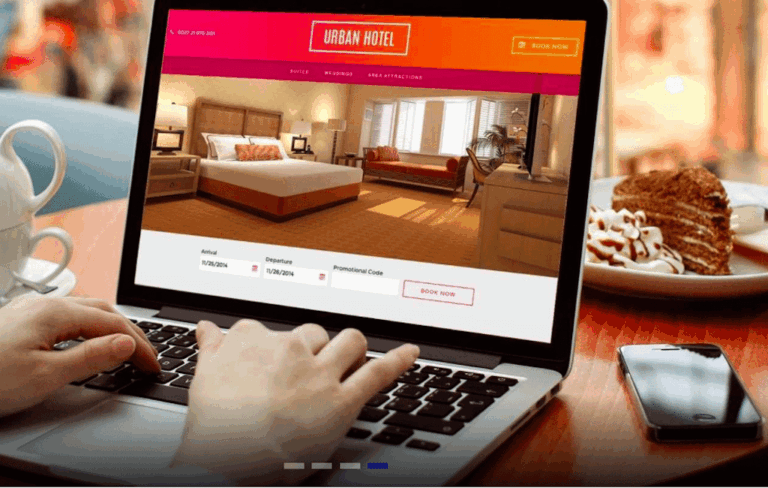
Hotel Booking Engine: Complete Guide, Benefits, and Real-World Applications
A hotel booking engine is one of the most vital technologies in the hospitality industry today. It enables hotels to accept reservations directly through their websites and other digital channels, providing travelers with instant access to availability, pricing, and room options.
This system doesn’t just simplify the reservation process; it transforms how hotels operate. By integrating real-time data, secure payments, and personalization features, hotel booking engines have become essential tools for enhancing guest satisfaction, maximizing revenue, and reducing dependence on third-party platforms.
What is a Hotel Booking Engine?

A hotel booking engine is a software application embedded into a hotel’s website or digital platform that allows guests to book rooms online. Instead of calling reception or going through third-party sites, travelers can complete their entire booking directly.
Key functions of a hotel booking engine include:
-
Displaying real-time availability and rates.
-
Allowing guests to select room categories and packages.
-
Enabling secure payment processing.
-
Integrating with loyalty programs and promotional offers.
-
Syncing with property management systems (PMS) for seamless hotel operations.
In today’s digital-first travel environment, having a reliable booking engine is no longer optional; it is a necessity for competitiveness.
Why Hotel Booking Engines Are Important

Hotels face increasing competition, not only from other properties but also from online travel agencies (OTAs). While OTAs provide visibility, they also take significant commission fees. A hotel booking engine empowers hotels to take control of their reservations by encouraging direct bookings.
For travelers, the engine provides confidence, transparency, and convenience. Guests can book at any time, compare room options instantly, and access special deals. For hotels, it means increased revenue, stronger branding, and improved guest loyalty.
Technology Behind Hotel Booking Engines
Modern hotel booking engines are powered by sophisticated technology. Their architecture usually includes:
-
Cloud-Based Systems: Scalable, secure, and always accessible.
-
Mobile-First Design: Optimized for smartphones, where most bookings now occur.
-
AI and Personalization: Tailors recommendations and upsells based on browsing patterns.
-
API Integrations: Connects seamlessly with PMS, CRM, and channel managers.
-
Data Security Features: SSL encryption and PCI compliance for safe transactions.
This technological foundation ensures that booking engines are fast, reliable, and capable of adapting to guest expectations.
Real-World Examples of Hotel Booking Engines
SiteMinder Booking Engine

SiteMinder offers one of the most widely used booking engines in the hospitality industry. Known for its user-friendly design and deep integrations, it allows hotels of all sizes to attract direct bookings. The platform includes upselling options, customizable branding, and mobile-optimized features. SiteMinder shows how booking engines can empower hotels to compete with OTAs.
Cloudbeds Booking Engine

Cloudbeds combines a booking engine with property management tools, offering hotels a unified solution. Its booking engine emphasizes conversion-driven design, displaying rates and promotions clearly. The system also supports multiple languages and currencies, making it suitable for international guests. Cloudbeds is a prime example of how booking engines enhance global reach.
SynXis Booking Engine by Sabre

SynXis powers the direct booking channels of many large hotel chains. With advanced personalization features, loyalty program integrations, and strong global distribution connectivity, it provides a sophisticated solution for enterprise-level hotels. SynXis demonstrates how technology enables scale, complexity, and tailored guest engagement.
Little Hotelier Booking Engine

Designed specifically for small and boutique hotels, Little Hotelier provides a lightweight but powerful booking engine. It focuses on ease of use and affordability, giving independent hotels the tools to manage direct bookings without large overhead costs. This illustrates how booking engines are accessible across all hospitality segments.
HotelRunner Booking Engine
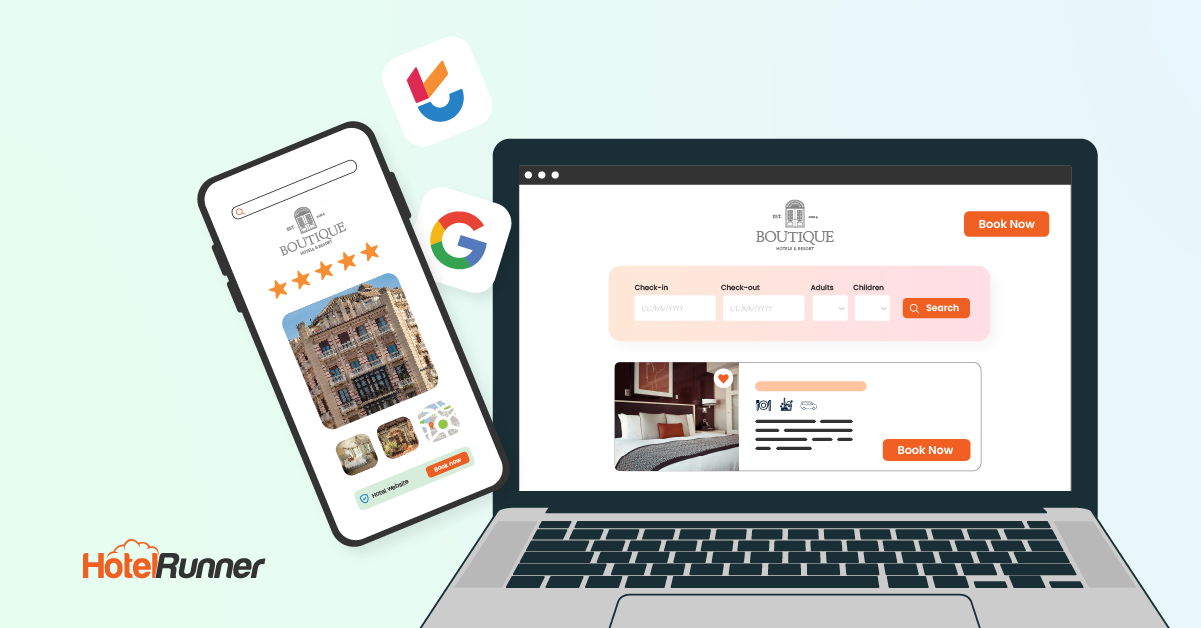
HotelRunner’s booking engine is built with a strong focus on online marketing. It enables hotels to highlight promotions, manage reservations across channels, and use detailed reporting to optimize pricing. This case shows how booking engines can merge marketing with reservations to drive growth.
Benefits of Hotel Booking Engines
The advantages of hotel booking engines are wide-ranging, impacting both hotels and guests.
-
Direct Revenue Growth: Hotels avoid OTA commission fees.
-
24/7 Accessibility: Guests can book anytime from anywhere.
-
Improved Guest Experience: Real-time availability and instant confirmation build trust.
-
Upselling Opportunities: Suggests room upgrades or add-ons during booking.
-
Brand Control: Hotels maintain direct contact and a relationship with guests.
-
Operational Efficiency: Automation reduces manual tasks for staff.
-
Data Insights: Hotels gain valuable analytics on guest preferences and booking trends.
The result is a more efficient, profitable, and guest-centric operation.
Practical Use Cases of Hotel Booking Engines
-
Independent Hotels: Rely on booking engines to compete with larger chains.
-
Resorts: Use them to sell packages, upgrades, and exclusive experiences.
-
Hostels and Budget Hotels: Offer easy booking without heavy IT investment.
-
Luxury Hotels: Integrate with loyalty programs to reward repeat guests.
-
Business Hotels: Provide fast and secure reservations for corporate travelers.
These use cases highlight how booking engines adapt to diverse hospitality needs.
Problems Solved by Hotel Booking Engines
Hotel booking engines solve multiple challenges, including:
-
High OTA Dependence: Encourages direct bookings, reducing commission costs.
-
Manual Errors: Automates availability updates to prevent double-bookings.
-
Guest Inconvenience: Provides simple, mobile-friendly booking experiences.
-
Limited Upselling: Enables revenue growth through add-ons and personalized offers.
-
Operational Inefficiency: Syncs data across PMS, CRM, and accounting systems.
By addressing these pain points, hotel booking engines become cornerstones of modern hospitality operations.
Frequently Asked Questions
1. What is the difference between a hotel booking engine and a channel manager?
A booking engine handles direct reservations on a hotel’s website, while a channel manager distributes room availability across multiple OTAs. Both systems are often integrated.
2. How does a booking engine help increase revenue?
It reduces dependence on commission-heavy OTAs, promotes direct bookings, and enables upselling of packages, upgrades, and services.
3. Can small hotels use booking engines effectively?
Yes. Many booking engine providers design solutions specifically for boutique and independent hotels, ensuring affordability and ease of use.