Local Based Service: Complete Guide to Applications, Benefits, and Real-World Examples
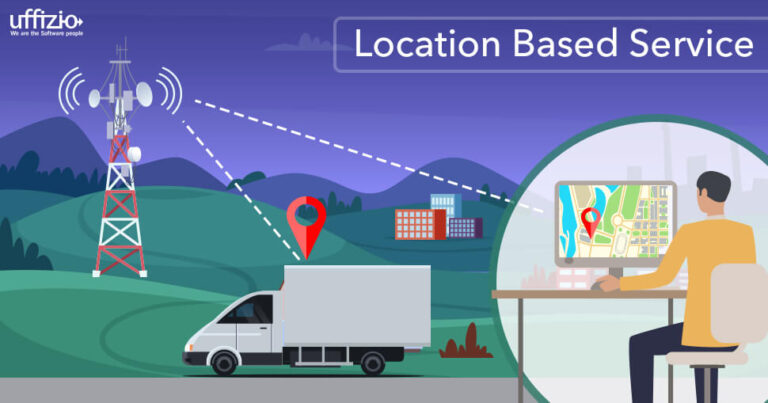
Local-based service refers to any service that is delivered to users based on their geographical location. By leveraging GPS, Wi-Fi, Bluetooth, or cell tower triangulation, businesses can provide tailored services, targeted marketing, and personalized recommendations to customers in real time.
Over the last decade, locally based services have transformed industries such as retail, travel, healthcare, logistics, and entertainment. From ordering food nearby to navigating the closest gas station, locally based service applications have become part of daily life. The key power behind these services lies in merging location intelligence with user context.
How Local-Based Services Work
Location-based services function through a combination of location detection technologies and data processing systems. The process begins with identifying a device’s location using GPS, mobile networks, or Wi-Fi hotspots. Once identified, this information is processed by service providers who then deliver customized results.
For example, when you open a ridesharing app, it uses your GPS to match you with nearby drivers. Similarly, local marketing campaigns can push notifications to users when they are within a certain distance of a store. These mechanisms illustrate how deeply integrated local-based service is with everyday technology.
Key Components of Local-Based Service

The success of locally based services depends on several core elements:
-
Location Tracking: Detecting a device’s position using GPS, Bluetooth beacons, or Wi-Fi.
-
Mapping and Navigation: Integrating maps to guide users to nearby services or destinations.
-
Data Processing: Analyzing user location data to deliver meaningful, real-time insights.
-
Personalization: Adapting services based on user habits, preferences, and local context.
By combining these elements, businesses create systems that not only locate customers but also engage them meaningfully, providing value in the form of convenience, relevance, and efficiency.
Real-World Examples of Local-Based Service Applications
Google Maps
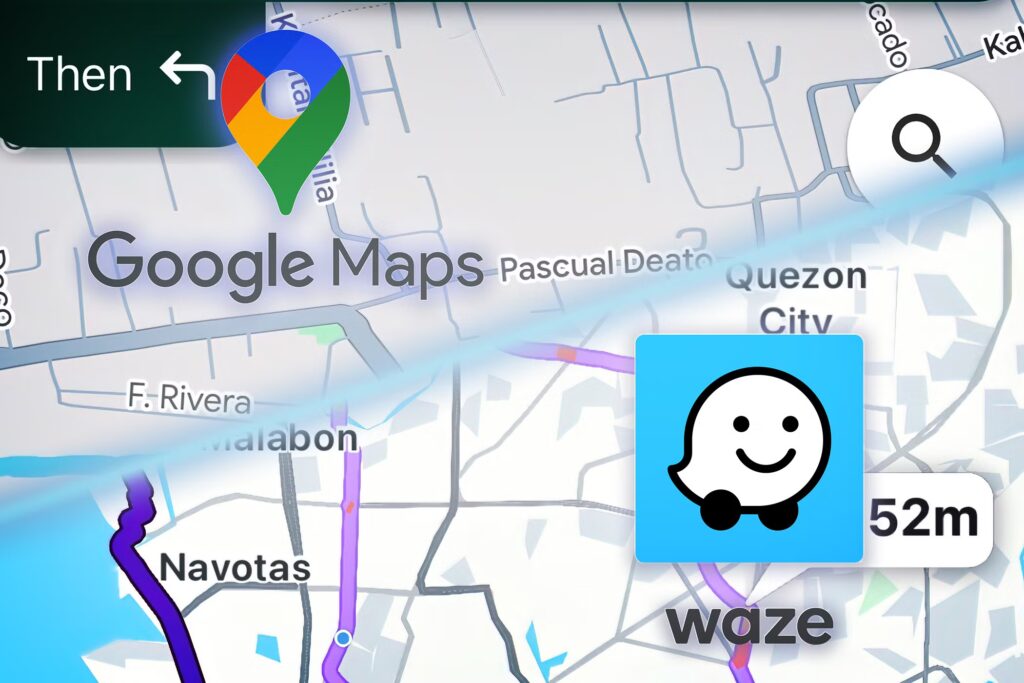
Google Maps is the most widely used local-based service. It offers turn-by-turn navigation, real-time traffic updates, and nearby business suggestions. This app has redefined how people travel by providing immediate, context-aware directions and services.
Beyond navigation, Google Maps integrates reviews, photos, and business information, giving users confidence in their choices. Its local business listing feature helps small and medium enterprises become more visible to nearby customers.
Uber and Lyft
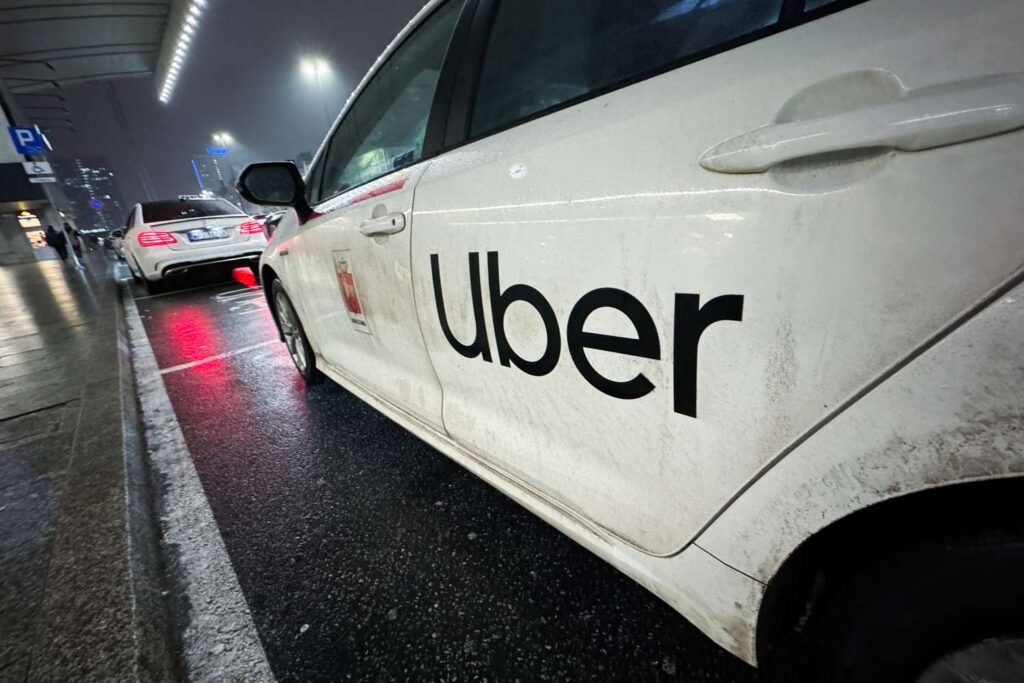
Ridesharing apps like Uber and Lyft rely entirely on locally based service technology. They detect a passenger’s location, identify nearby drivers, and create a seamless point-to-point connection. Without accurate location-based tracking, such apps would not be feasible.
The relevance lies in how these services have changed urban mobility. By using location intelligence, they reduce wait times, optimize driver routes, and increase customer satisfaction. They are a prime example of how locally based service technology drives convenience in transportation.
Yelp

Yelp is another example of a local-based service, focusing on local business discovery. Users can search for restaurants, cafes, salons, and other businesses based on their current location. Yelp enhances the customer experience by combining geolocation with user reviews and ratings.
The platform is particularly effective for small businesses. By leveraging Yelp’s geolocation features, local service providers can reach potential customers who are already nearby and ready to purchase.
Pokémon Go
Pokémon Go is a location-based augmented reality (AR) game that demonstrates how entertainment can leverage location-based services. Players explore real-world locations to find and capture virtual Pokémon characters.
This app shows how location data can go beyond practical uses and create engaging, immersive experiences. It also illustrates how gamification, combined with locally based services, can drive user participation and community interaction.
Healthcare Apps
Healthcare apps now use local-based services to guide patients to the nearest hospitals, pharmacies, or clinics. Some apps even integrate real-time data, such as the availability of doctors or estimated waiting times.
These solutions highlight how locally based services can directly impact public health and safety. By making critical services accessible instantly, these applications provide lifesaving value beyond convenience.
Benefits of Using Local-Based Services
The adoption of locally based services brings multiple benefits for businesses, consumers, and governments alike.
-
Enhanced Personalization: Users receive context-aware recommendations tailored to their location and preferences.
-
Business Growth: Local businesses gain visibility to nearby customers, increasing foot traffic and sales.
-
Improved Customer Engagement: Push notifications and local offers strengthen brand-customer relationships.
-
Efficiency: Navigation and logistics become streamlined, reducing time and operational costs.
-
Safety and Security: Real-time tracking assists in emergencies, ensuring timely interventions.
By combining technology with geography, locally based services deliver unmatched value in terms of both functionality and user satisfaction.
Use Cases of Local-Based Services

Retail and Shopping
Local-based service helps retailers send targeted offers to nearby customers. For instance, a clothing store may notify customers about discounts when they pass by. This not only drives sales but also improves customer loyalty.
Tourism and Travel
Travelers benefit significantly from locally based services. Apps can suggest nearby attractions, restaurants, and hotels, while navigation tools simplify exploring unfamiliar cities.
Logistics and Delivery
Companies like FedEx and Amazon use locally based services to track packages and optimize delivery routes. This reduces costs, improves efficiency, and ensures timely deliveries.
Emergency Services
Police, fire, and healthcare providers use location tracking for quick response. Ambulances can reach patients faster with precise geolocation, saving lives.
Marketing Campaigns
Brands use geofencing to send promotions when users enter certain locations, ensuring higher engagement and conversion rates compared to generic ads.
Challenges of Local-Based Services
While beneficial, locally based services face challenges such as:
-
Privacy Concerns: Users may be hesitant to share their location data.
-
Accuracy Issues: GPS and other tracking methods can sometimes provide inaccurate results.
-
Battery Consumption: Continuous tracking drains mobile batteries.
-
Regulatory Compliance: Data collection must comply with laws like GDPR.
Overcoming these challenges requires transparency, advanced technology, and strong user trust.
FAQs
1. What is a local-based service?
A local-based service is a digital service that uses a person’s geographical location to deliver customized information, recommendations, or functions. Examples include navigation apps, delivery services, and geofenced marketing campaigns.
2. How do locally based services benefit businesses?
They help businesses target nearby customers, increase sales, improve customer engagement, and streamline operations such as delivery and logistics.
3. Are locally based services safe to use?
Yes, but safety depends on how data is handled. Trusted providers use encryption and comply with data protection regulations to safeguard user information.