Location Based Technology: Complete Guide, Benefits, and Real-World Applications
The term location-based refers to any technology, service, or application that utilizes the physical position of a device, person, or object to provide relevant and contextual services. These technologies rely on tools like GPS, Wi-Fi, Bluetooth, or cellular data to deliver information or perform functions tied to a specific location.
From navigation systems to personalized marketing campaigns, location-based solutions have become integral to both business strategies and everyday life. Their impact extends across industries such as transportation, healthcare, retail, hospitality, and emergency services.
How Location-Based Technology Works
At its core, location-based technology combines geolocation data with software systems to provide accurate and timely services. Devices like smartphones continuously send signals to satellites, Wi-Fi routers, or mobile networks to determine their exact position.
This data is then processed by applications that tailor the experience based on where the user is. For example, a weather app provides hyperlocal forecasts by detecting a user’s coordinates, while a retail app may send special offers when the user is near a store. The process involves three key steps: location detection, data processing, and contextual delivery.
Accuracy and speed are vital in this process. Emerging technologies such as artificial intelligence and machine learning further enhance predictive capabilities, making location-based services smarter and more responsive over time.
Benefits of Location-Based Technology
The adoption of location-based technology offers significant advantages to both consumers and businesses.
-
Personalized Experiences: Users receive context-specific information, such as directions, discounts, or emergency alerts, enhancing convenience.
-
Operational Efficiency: Businesses optimize logistics, supply chains, and delivery routes, reducing costs and improving speed.
-
Customer Engagement: Retailers, hospitality brands, and service providers can connect with customers in meaningful, location-specific ways.
-
Safety and Security: Emergency responders, navigation systems, and healthcare providers rely on real-time location data for critical decision-making.
The transformative benefits demonstrate why location-based solutions are central to modern innovation.
Real-World Examples of Location-Based Applications
Google Maps
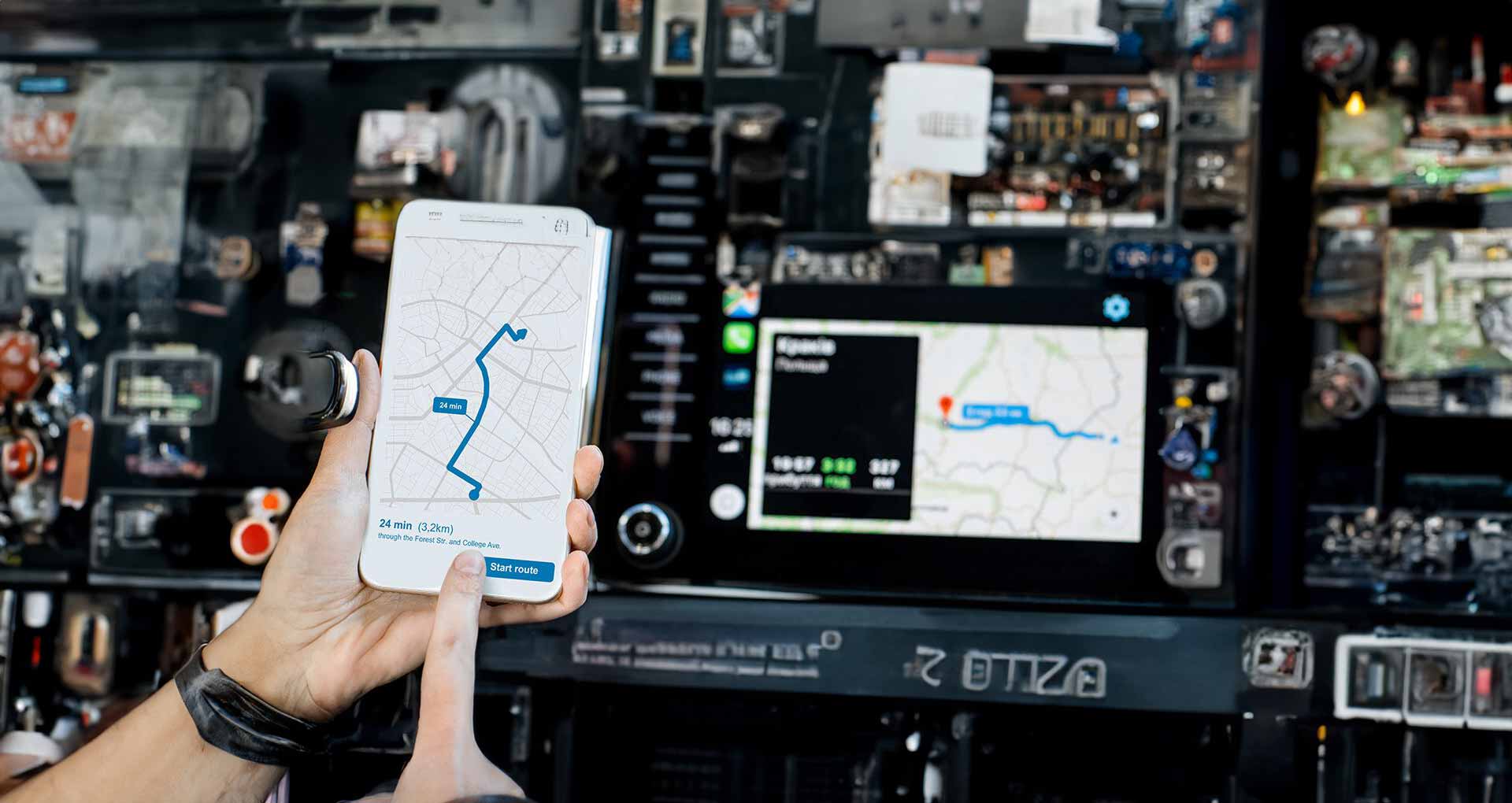
Google Maps is one of the most recognized examples of a location-based service. By combining GPS data with mapping technology, it offers real-time navigation, traffic updates, and local business recommendations.
Its relevance goes beyond personal use. Logistics companies rely on Google Maps for delivery optimization, while businesses leverage its data for local visibility. It highlights how location-based services power both individual convenience and business operations.
Uber and Lyft

Ride-hailing apps like Uber and Lyft are prime examples of how location-based technology creates entirely new industries. These platforms use real-time geolocation to match drivers with passengers, calculate fares, and provide estimated arrival times.
Without location-based technology, ride-hailing would not exist. This example showcases how geolocation can drive disruptive business models and reshape urban mobility.
Starbucks Rewards App
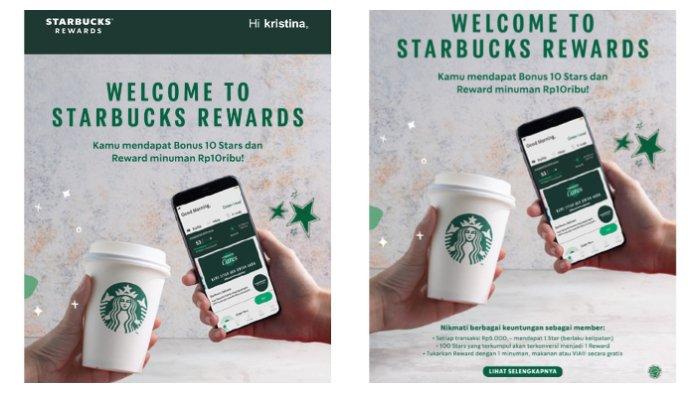
The Starbucks mobile app leverages location-based services to improve customer engagement. It sends notifications about nearby stores, tailored promotions, and rewards opportunities when a customer enters a specific area.
This approach bridges digital and physical experiences, driving foot traffic into stores while providing customers with personalized, location-relevant offers. It illustrates how retail brands can use location-based solutions to increase loyalty and sales.
Pokémon GO
The mobile game Pokémon GO demonstrates the entertainment potential of location-based services. By combining augmented reality with GPS data, the game encourages players to explore their surroundings to find virtual creatures.
This case proves that location-based technology is not just functional but also immersive, creating entirely new forms of digital entertainment tied to physical spaces.
Healthcare and Emergency Apps

Healthcare providers and emergency response teams increasingly use location-based systems. For example, ambulance services rely on GPS tracking for dispatch, while apps like medical alert platforms use geolocation to direct responders to patients in need.
These applications show the life-saving impact of location-based services, ensuring timely and accurate responses in critical scenarios.
Practical Advantages of Location-Based Solutions
The versatility of location-based technology makes it useful across countless industries.
One major advantage is real-time decision-making. Whether navigating congested city roads or locating the nearest hospital, location data empowers users to act quickly and efficiently.
Another advantage lies in business growth opportunities. Retailers can attract more customers through hyperlocal marketing, while transport companies save resources by optimizing routes. The value extends from increased engagement to reduced operational costs, proving that location-based technology is both practical and profitable.
Use Cases: Problems Solved by Location-Based Technology
Improving Urban Mobility
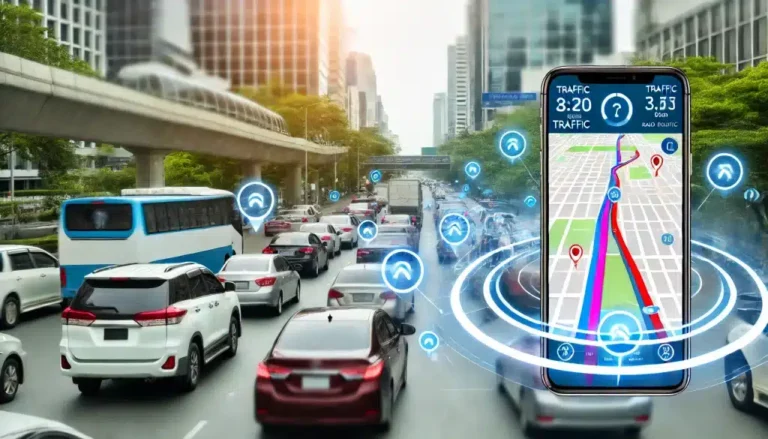
Traffic congestion is a challenge in every major city. Location-based navigation apps provide faster routes, alternative travel options, and estimated arrival times, reducing commuter stress and improving efficiency.
Boosting Retail and Hospitality Engagement
Retailers and hotels use location-based services to engage customers in real time. From special promotions to interactive experiences, these solutions create stronger customer relationships and drive higher conversion rates.
Enhancing Safety and Disaster Response
In emergencies, every second counts. Location-based apps guide responders to precise locations, coordinate rescue efforts, and help people find safe routes during natural disasters. These services save lives while improving organizational coordination.
Optimizing Supply Chains and Logistics
For logistics companies, real-time tracking and optimized routing improve delivery times and reduce costs. Customers also benefit by knowing exactly where their packages are and when they will arrive.
FAQs
1. What does location-based mean?
Location-based refers to technologies, services, or applications that rely on the physical location of a person, device, or object to provide tailored and context-relevant services.
2. Which industries benefit most from location-based technology?
Industries such as transportation, retail, healthcare, logistics, and emergency response rely heavily on location-based solutions to improve efficiency and engagement.
3. Are location-based services safe for user privacy?
Yes, when implemented responsibly. Trusted apps require user consent, comply with data protection laws, and often anonymize or encrypt location data to protect user privacy.