Location Based Service App: Complete Guide with Benefits and Real-World Applications
A location-based service app (LBS app) is a mobile or web application that uses geolocation data to provide users with personalized services, recommendations, or information based on where they are. These apps bridge the gap between physical locations and digital platforms, creating seamless user experiences.
From checking traffic conditions to finding the nearest restaurant or tracking deliveries, location-based service apps are everywhere. Their widespread use highlights how essential location technology has become in daily life, shaping industries such as transportation, retail, healthcare, and even emergency response systems.
How a Location-Based Service App Works
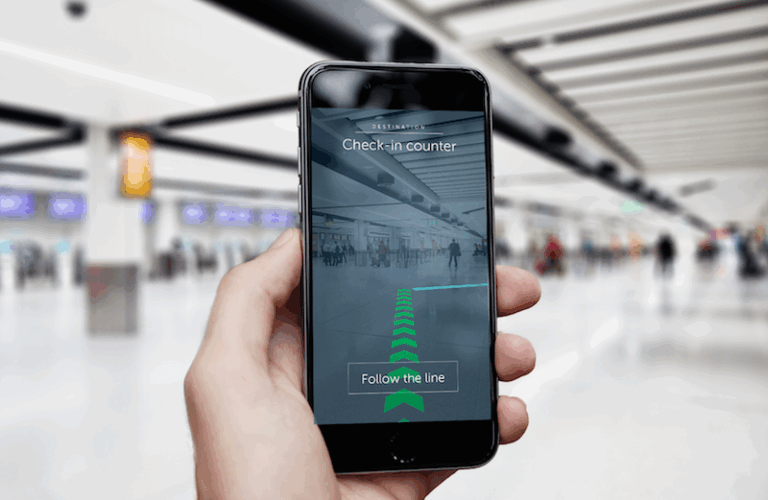
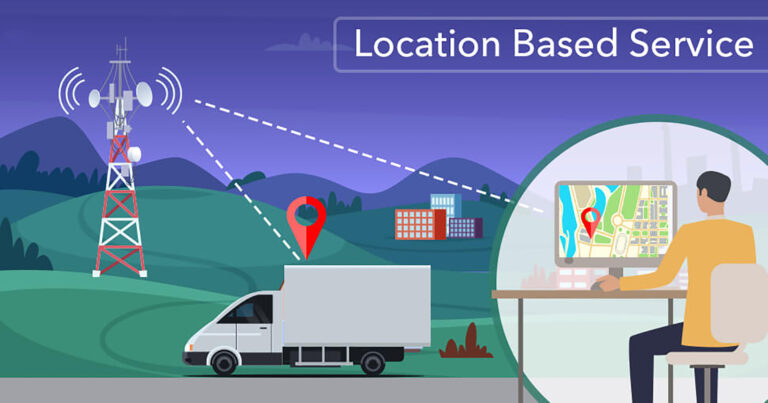
The core functionality of an LBS app is to capture, analyze, and respond to location data in real time. The process often begins with a smartphone or device identifying its position through GPS satellites, cell towers, or Wi-Fi signals.
Once the location is determined, the app processes the data through algorithms and databases to deliver context-specific services. For example, a food delivery app uses this information to find nearby restaurants, estimate delivery time, and guide drivers along the fastest routes.
Accuracy, speed, and user privacy are crucial in this process. Many modern apps also integrate machine learning to improve predictions and enhance user personalization over time.
Benefits of Location-Based Service Apps
The advantages of using a location-based service app go beyond convenience. These applications fundamentally improve efficiency, engagement, and decision-making across industries.
-
Personalization: Apps deliver services tailored to a user’s location, such as nearby offers or precise navigation.
-
Efficiency: Businesses can optimize logistics, customers save time, and emergency services respond faster.
-
Engagement: By connecting digital platforms with real-world actions, LBS apps foster deeper interaction and loyalty.
-
Economic Value: Targeted advertising and improved logistics reduce costs and increase revenue potential.
Ultimately, the benefits of LBS apps extend to both consumers and organizations, making them indispensable in modern technology ecosystems.
Real-World Examples of Location-Based Service Apps
Google Maps and Waze
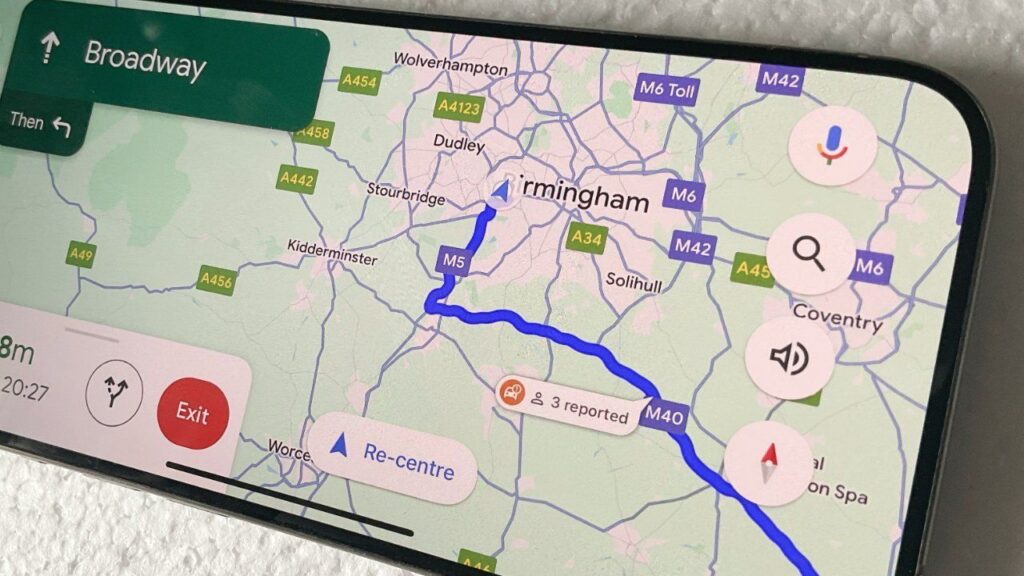
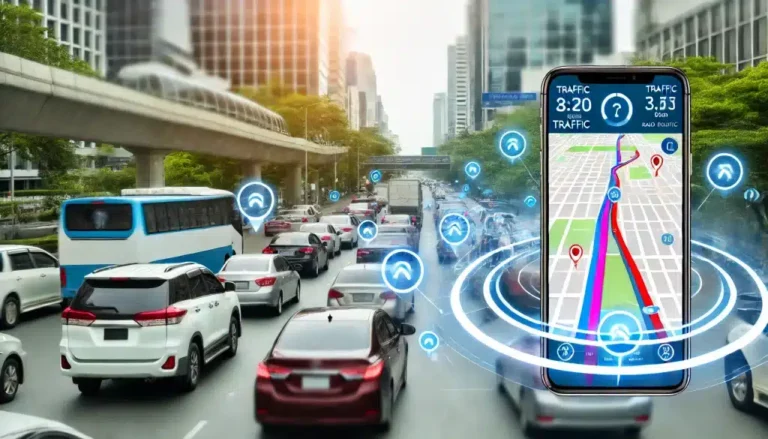
One of the most recognizable LBS apps is Google Maps, along with its sibling app Waze. These applications use GPS data to provide real-time navigation, traffic updates, and alternative routes. They also integrate user-generated data, such as reports of accidents or speed traps, enhancing accuracy.
Their impact is enormous beyond personal navigation; businesses use them for logistics, ride-hailing apps rely on them for routing, and tourists depend on them for exploring unfamiliar cities. This demonstrates how central LBS technology is to global mobility.
Uber and Lyft
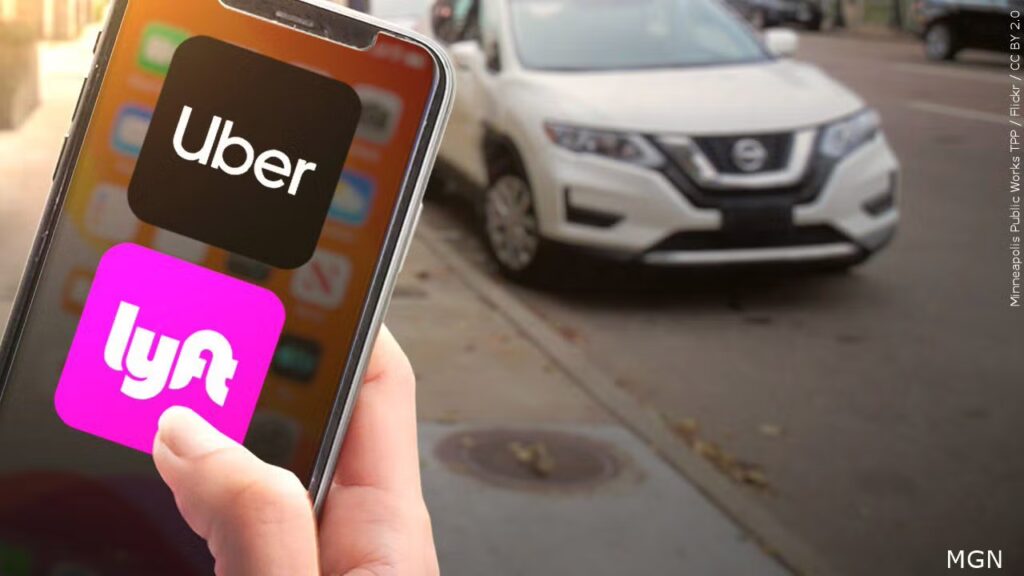
Ride-hailing apps such as Uber and Lyft rely entirely on on-location-based services to connect drivers with riders. The app tracks passengers’ locations, calculates estimated arrival times, and guides drivers using optimized navigation.
This is a powerful example of how an LBS app can create new business models. Without real-time location tracking, ride-hailing platforms could not exist, and urban mobility would look entirely different.
Starbucks Mobile App
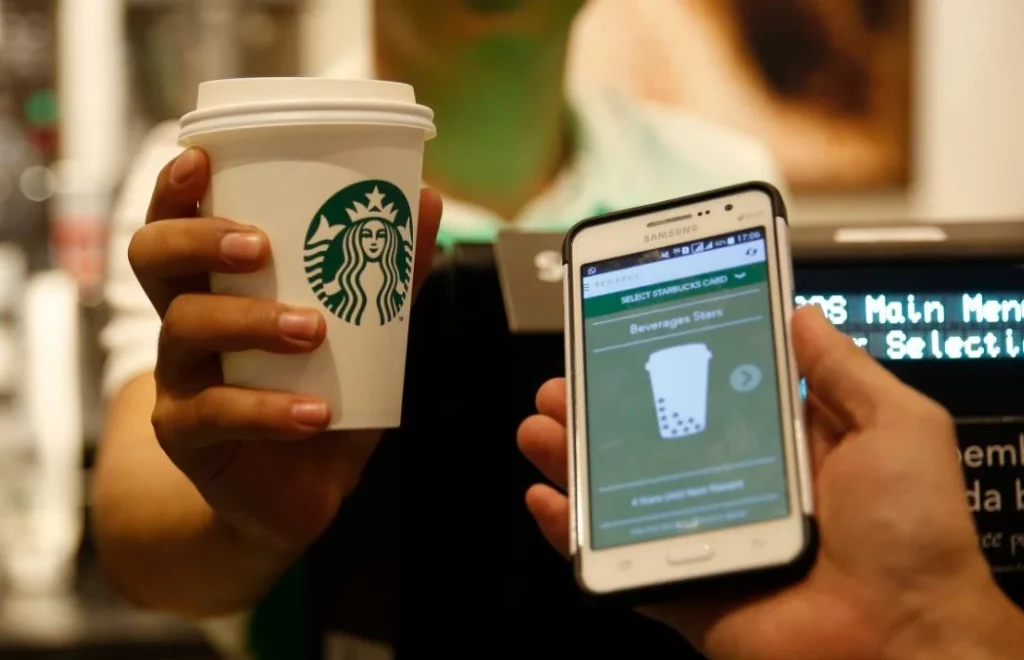
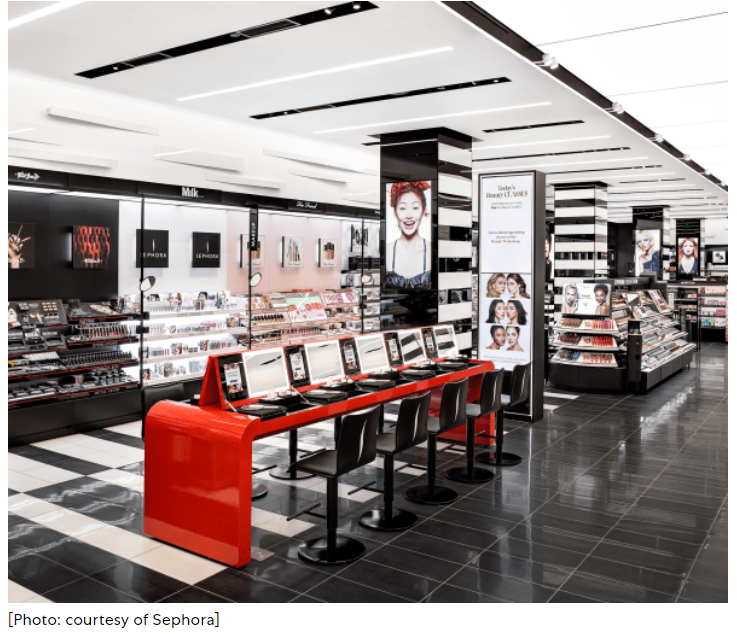
Starbucks leverages LBS technology through its mobile app to enhance customer engagement. The app sends push notifications about nearby stores, special offers, or personalized deals based on where the user is located.
This shows how retailers use LBS apps not only to drive traffic into physical locations but also to provide a more interactive and customized customer journey. It’s a case study in how digital engagement translates directly into increased foot traffic and sales.
Snapchat and Instagram
Social media apps like Snapchat and Instagram integrate location services in innovative ways. Users can add location-based filters, check into events, or explore geotagged content from nearby users.
The inclusion of location elements creates richer storytelling and fosters real-world connections. It also demonstrates how LBS apps are not limited to logistics or marketing—they enhance communication and entertainment in unique ways.
Healthcare and Emergency Apps
Healthcare systems and emergency response platforms increasingly adopt LBS apps. For example, emergency services use geolocation to pinpoint distress calls, while hospitals use it to track ambulances and manage patient logistics.
These applications showcase the life-saving potential of LBS apps. Beyond convenience and commerce, they serve vital roles in ensuring safety and efficiency in critical services.
Practical Advantages of Location-Based Service Apps
The advantages of LBS apps are wide-ranging and deeply practical.
One significant advantage is real-time responsiveness. Whether rerouting drivers during traffic congestion or alerting users to nearby safety hazards, LBS apps provide information that helps people make immediate, informed decisions.
Another advantage is industry adaptability. The same core technology powers ride-hailing, e-commerce, healthcare, tourism, and marketing. This versatility makes LBS apps valuable across virtually every sector.
Finally, they contribute to sustainability. By optimizing routes and deliveries, LBS apps reduce fuel consumption and emissions, offering environmental as well as economic benefits.
Use Cases: Problems Solved by Location-Based Service Apps
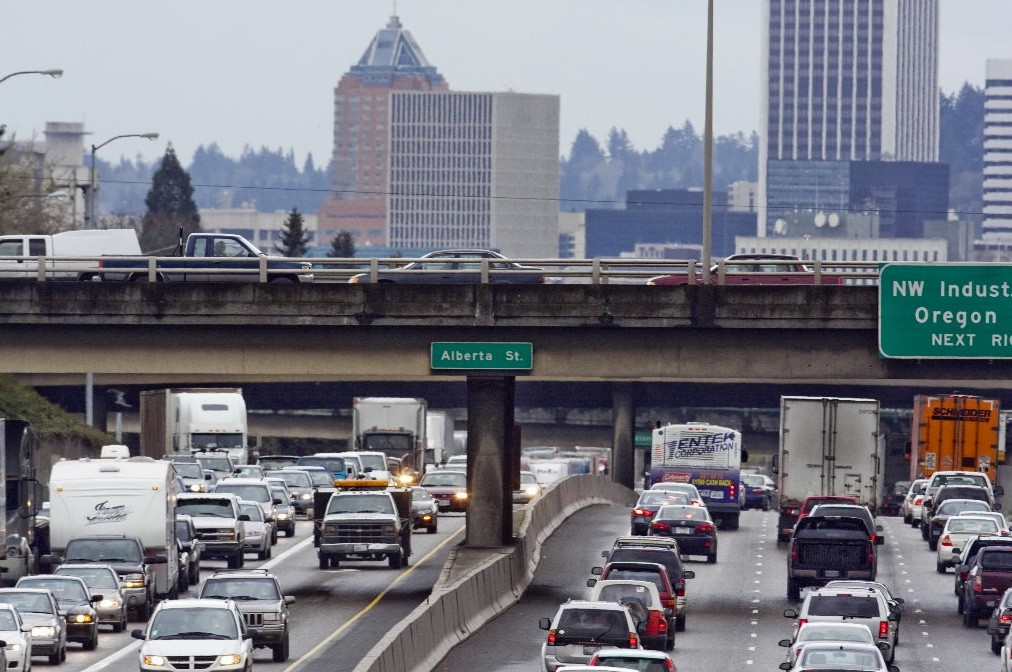
Reducing Traffic and Travel Stress
Traffic congestion is a universal problem. LBS apps solve this by suggesting faster, less congested routes and estimating travel times. They reduce stress for drivers and improve overall urban mobility.
Increasing Retail Engagement
Physical stores often struggle to compete with online retailers. With LBS apps, they can target customers in real time with nearby offers, promotions, or event invitations. This increases foot traffic and bridges the gap between online engagement and offline sales.
Enhancing Safety and Emergency Response
In emergencies, speed is critical. LBS apps help responders locate people quickly and dispatch help efficiently. From natural disasters to medical emergencies, location-based solutions often mean the difference between life and death.
FAQs
1. What is a location-based service app used for?
A location-based service app uses geolocation data to deliver personalized services, such as navigation, retail promotions, social media features, or emergency response systems.
2. How do location-based service apps protect user privacy?
Responsible apps require user consent and comply with data protection regulations. Many also anonymize or encrypt location data to ensure user safety.
3. Which industries rely most on location-based service apps?
Industries such as transportation, retail, healthcare, emergency services, tourism, and social media rely heavily on LBS apps to improve efficiency, engagement, and customer experience.