Location Based Services Advertising: Complete Guide, Benefits, and Real-World Applications
Location-based services advertising (LBSA) is a digital marketing strategy that leverages geographical data to deliver personalized advertisements to users based on their current or past locations. By combining GPS, Wi-Fi, cellular data, and Bluetooth beacons, businesses can reach consumers in real time with highly relevant offers, promotions, and brand messages.
The rise of mobile technology and the widespread use of smartphones have accelerated the growth of LBSA. Marketers now use geolocation data not only to target users but also to understand customer behavior, preferences, and movement patterns. This approach ensures that advertising is more contextual, relevant, and impactful compared to traditional methods.
Key Components of Location-Based Services Advertising
Geofencing
Geofencing involves creating virtual boundaries around specific geographic areas such as shopping malls, stadiums, or neighborhoods. When users enter these areas with their mobile devices, they receive targeted ads or notifications. This method is particularly effective for driving foot traffic to retail stores and restaurants.
Geofencing allows brands to engage with customers at the right place and time. For example, a coffee shop can send a discount notification to potential customers as they walk past the store, prompting immediate conversions.
Beacon Technology
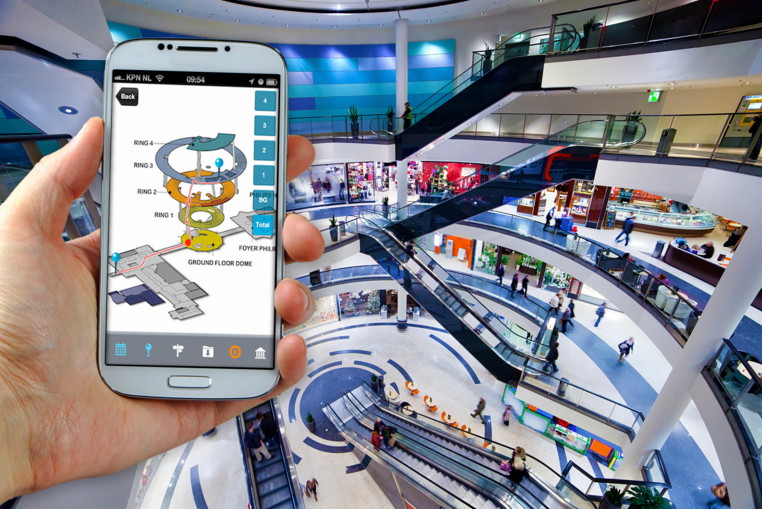
Beacons use Bluetooth Low Energy (BLE) to send location-triggered messages to nearby devices. This technology is commonly used in indoor environments such as shopping centers, airports, or museums, where GPS signals are weak. By deploying beacons, businesses can deliver hyper-localized advertisements and information directly to users’ smartphones.
Beacon technology helps brands provide personalized experiences. For instance, a retailer can notify customers about ongoing promotions as they browse specific product aisles.
Location Analytics
Location analytics refers to the process of gathering and analyzing data about customer movements and behaviors in physical spaces. This information is invaluable for creating targeted campaigns, optimizing store layouts, and improving marketing effectiveness. Marketers can identify high-traffic areas, understand peak hours, and refine strategies based on consumer patterns.
With location analytics, businesses can move beyond delivering ads to also understanding customer journeys, enabling smarter decision-making.
Benefits of Location-Based Services Advertising
The benefits of LBSA are extensive and transformative across multiple industries. One of the major advantages is the ability to target precisely. Unlike traditional advertising methods that cast a wide net, LBSA delivers personalized ads to individuals based on their immediate context, increasing relevance and engagement.
Another significant benefit is cost efficiency. By focusing on a narrower, more relevant audience, businesses maximize their return on investment. Instead of wasting resources on broad campaigns, advertisers allocate budgets toward users most likely to convert.
Location-based advertising also enhances customer experiences. Receiving timely and useful offers makes customers feel valued and understood. This personalization builds loyalty, increases foot traffic, and encourages repeat business.
Finally, LBSA supports data-driven insights. By analyzing user interactions with location-based campaigns, businesses refine their strategies, identify trends, and adapt quickly to consumer needs.
Real-World Examples of Location-Based Services Advertising
Starbucks
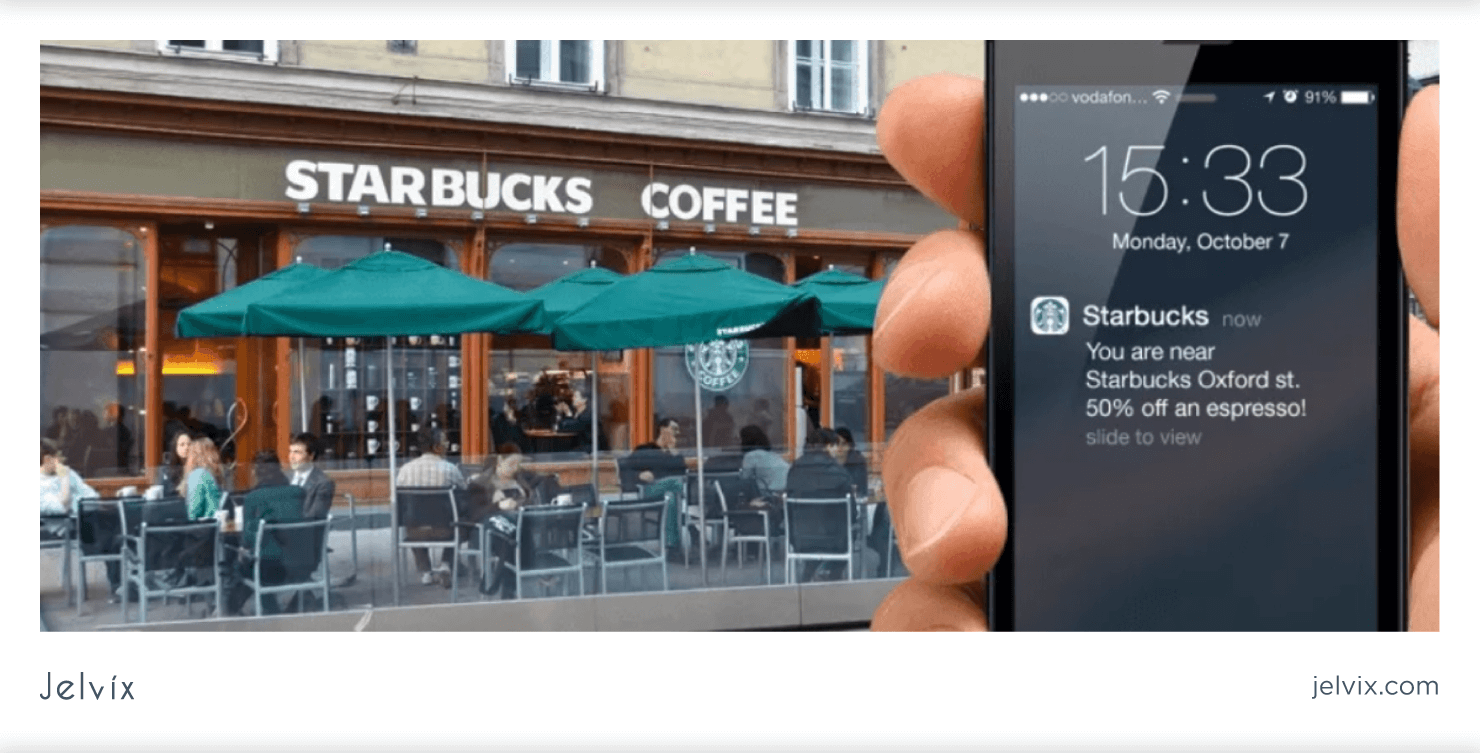
Starbucks has been an early adopter of location-based advertising, using geofencing to send targeted offers to customers near its stores. When customers enter a predefined radius around a Starbucks location, they receive mobile notifications about special promotions or menu updates.
This strategy not only increases store visits but also strengthens brand loyalty by providing timely, personalized engagement.
McDonald’s
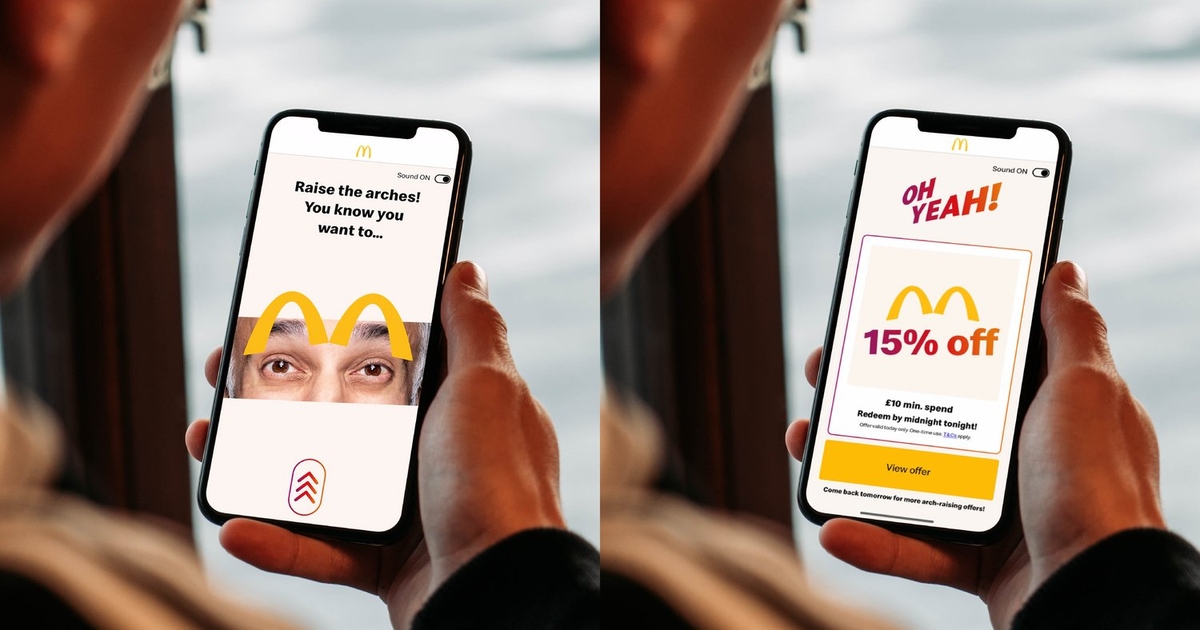
McDonald’s has successfully leveraged LBSA by launching geofencing campaigns targeting competitors’ locations. When users entered the vicinity of rival fast-food outlets, McDonald’s sent promotional offers encouraging them to visit a nearby McDonald’s instead. This competitive strategy effectively increased conversions and redirected customer traffic.
The campaign highlighted how businesses can use location intelligence to gain a competitive edge in highly contested markets.
Sephora
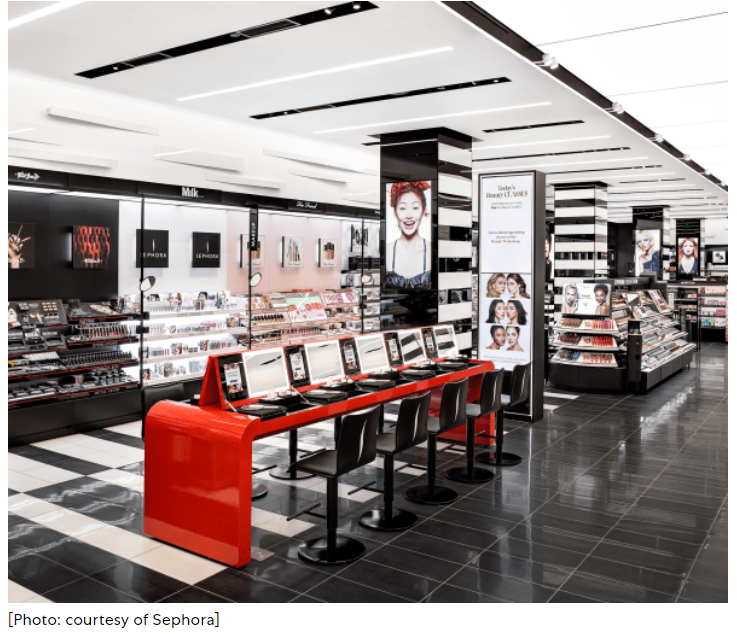
Sephora uses beacon technology to enhance the in-store shopping experience. Customers with the Sephora app receive personalized messages and product recommendations while browsing inside the store. This not only improves customer engagement but also encourages cross-selling and upselling.
By integrating location-based advertising with personalized retail experiences, Sephora has set an example of how LBSA can bridge online and offline interactions.
Uber
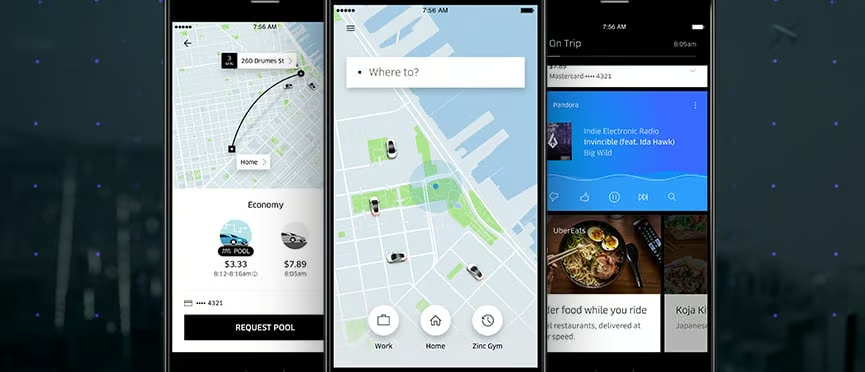
Uber employs location data to deliver contextual in-app advertisements and promotional codes. By understanding where users frequently travel, Uber can offer discounts or encourage specific route choices. This location-based targeting ensures higher relevance and user engagement.
Uber’s use of LBSA demonstrates how service-based businesses can leverage location intelligence to enhance customer loyalty and retention.
Practical Use Cases of Location-Based Services Advertising
One practical use case is retail engagement. LBSA helps retailers send targeted offers when customers are near or inside a store. This increases the chances of immediate purchases and improves brand-consumer interaction.
In hospitality and tourism, location-based advertising plays a vital role. Hotels and travel companies can deliver promotions to tourists as they arrive in new destinations, offering personalized recommendations for dining, shopping, or sightseeing.
For event marketing, geofencing allows organizers to engage attendees during concerts, sports games, or exhibitions. Attendees can receive updates about schedules, nearby services, or special promotions, enhancing the overall event experience.
Additionally, real estate businesses use LBSA to target potential buyers or renters near property listings. By delivering hyper-localized ads, they capture audiences already interested in specific neighborhoods.
Frequently Asked Questions
1. Are location-based services advertising effective for small businesses?
Yes, LBSA can be highly effective for small businesses. By targeting local customers in their vicinity, small businesses can increase foot traffic, boost sales, and build stronger connections with their community without spending heavily on broad campaigns.
2. How does location-based advertising impact consumer privacy?
Privacy is an important concern. Businesses must obtain user consent before collecting and using location data. Transparent policies, anonymization, and secure handling of data are crucial for maintaining consumer trust.
3. What is the difference between geofencing and beacon-based advertising?
Geofencing relies on GPS or Wi-Fi to trigger ads when users enter a larger virtual boundary, such as a shopping district. Beacon-based advertising, on the other hand, uses Bluetooth signals to target users in very close proximity, such as specific aisles within a store.